Keeping a home clean usually means focusing on the places people see and use every day. Floors get vacuumed, kitchens are wiped down, bathrooms are scrubbed, and lawns are regularly maintained. Outdoor cleaning tends to be less systematic. The driveway may receive attention when it becomes visibly dirty, while smaller exterior areas can go unnoticed for years.
That matters because outdoor surfaces constantly collect moisture, soil, pollen, leaves, grease, organic growth, and airborne debris. Some forgotten areas are also located exactly where water and dirt naturally accumulate. A more complete exterior-cleaning routine does not require washing everything constantly, but it does mean occasionally looking beyond the obvious patio and driveway.
The Walkway Along the Side of the House
Front paths are difficult to ignore because everyone uses them. Narrow walkways running beside or behind a house are much easier to forget.
These areas frequently receive less sunlight, particularly when they sit between a house and fence. Moisture may therefore remain longer after rain, creating conditions where dark staining and organic buildup become increasingly noticeable.
Move bins, hoses, planters, and other objects before cleaning so the entire surface can be inspected. Pay particular attention to sections close to downspouts or places where drainage repeatedly carries soil across the path.
Outdoor Steps and Stair Edges
Steps may look relatively clean when viewed from above while hiding considerable grime along their vertical faces and edges.
Corners are particularly good at collecting leaves, soil, cobwebs, and other debris. Shaded stairs can also remain damp longer than surrounding areas.
Cleaning steps provides an opportunity to inspect them at the same time. Look for loose materials, damaged edges, deteriorating wood, or other problems that may require maintenance rather than simply washing.
The Space Around Garbage and Recycling Bins
The bins themselves are obvious candidates for occasional washing, but the surface underneath them is frequently overlooked.
Small leaks, spilled liquids, food residue, dirt from wheels, and moisture can accumulate beneath containers that remain in approximately the same position throughout the year. Because the area is hidden, homeowners may not notice the condition until the bins are moved.
Take everything out of the area periodically, sweep away loose material, and clean the surface underneath. Allowing the area to dry before returning the containers can also help prevent moisture from remaining trapped.
Retaining Walls
Retaining walls occupy a large amount of exterior space but often receive almost no routine cleaning.
Depending on the material and location, they can gradually develop staining from soil, water runoff, vegetation, and weather exposure. Lower sections may become particularly dirty after heavy rain splashes surrounding soil against them.
Before cleaning, identify the construction material. Concrete block, natural stone, brick, painted masonry, and timber should not automatically receive identical treatment.
Cleaning is also a useful time to look for movement, cracks, drainage problems, or other changes that may indicate a maintenance issue.
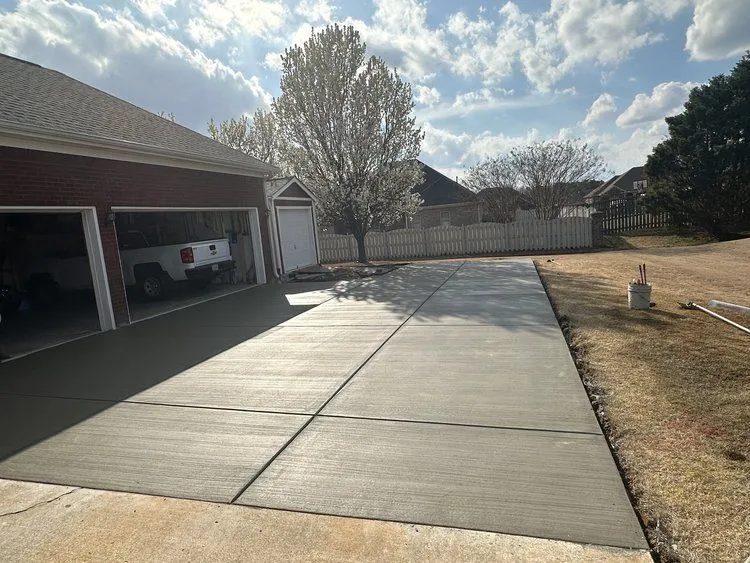
Driveway Edges
A driveway may be cleaned occasionally while its boundaries remain neglected.
The edges often collect the worst combination of soil, grass clippings, leaf residue, weeds, and runoff. Vehicles can also leave dirt and automotive residue in areas where tires repeatedly pass.
Start by sweeping and removing vegetation encroaching on the surface. Stubborn contamination may require more than an ordinary hose, particularly across large paved areas. For heavier jobs, suitable pressure washing equipment can make broad exterior surfaces more manageable. Hotsy of Houston notes that cold-water systems can handle ordinary dirt and mud on surfaces such as sidewalks, driveways, patios, and decks, while hot water is better suited to grease and oil.
The appropriate method still depends on the material being cleaned; maximum force should never be the default.
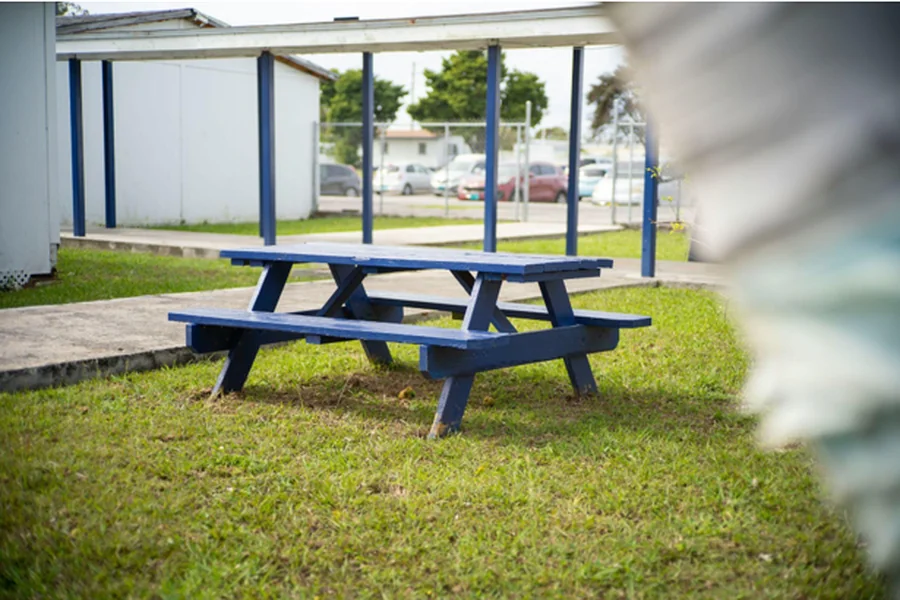
The Area Beneath Outdoor Furniture

Patio furniture creates perfect hiding places for dirt.
Tables, storage boxes, sofas, grills, and large planters may remain in one position for months. Wind pushes leaves and debris underneath them, while rain carries fine dirt into spaces that ordinary sweeping cannot easily reach.
At least occasionally, clear the patio completely rather than cleaning only around the furniture. The difference can be surprising.
This also allows you to inspect furniture feet and the surfaces underneath them for rust stains, trapped moisture, discoloration, or damage.
Fence Bases and Gate Entrances
Fences are usually noticed when they need painting or repairs, but the bottom few inches can become dirty long before the rest looks neglected.
Rain splashes soil onto lower sections, vegetation grows against them, and leaves become trapped along the base. Gate entrances receive additional dirt because of frequent foot traffic.
Cleaning methods should reflect the fence material. Wood requires considerably more care than durable masonry. Hotsy of Houston’s guidance similarly recommends lower pressure for more delicate surfaces such as wood patios and decks rather than treating them like concrete.
Keeping vegetation trimmed away can also make future maintenance easier.
Outdoor Storage Areas
A shed or outdoor storage space can remain organized inside while becoming surprisingly dirty around its exterior.
Look behind storage boxes, underneath shelving accessible from outside, around doors, and along the foundation. Mud can accumulate near entrances, particularly when garden tools and equipment regularly move in and out.
Cleaning these areas periodically can reveal issues that clutter previously concealed, including moisture intrusion, insect activity, rust, deteriorating materials, or drainage problems.
Mailbox and Utility Areas
Small exterior fixtures tend to disappear visually because homeowners see them every day.
Mailboxes, utility boxes, hose storage areas, exterior faucets, and similar features can collect cobwebs, dust, bird droppings, and green buildup without attracting much attention.
These areas generally require relatively little effort because they are small. The important consideration is what you are cleaning around. Electrical equipment, meters, vents, connections, and other utilities should be treated cautiously rather than sprayed indiscriminately with water.
Garage Door Edges and the Apron
Homeowners may wash the main garage door while ignoring the ground immediately in front of it.
This transition area experiences vehicle traffic, tire marks, leaves, oil drips, and dirt carried out of the garage. Debris also collects along the bottom seal and corners.
Sweep first so loose material does not simply turn into muddy runoff. If oil or grease is present, recognize that it behaves differently from ordinary dirt; Hotsy of Houston specifically distinguishes hot-water cleaning for oily or greasy contamination from cold-water applications for basic dirt.