

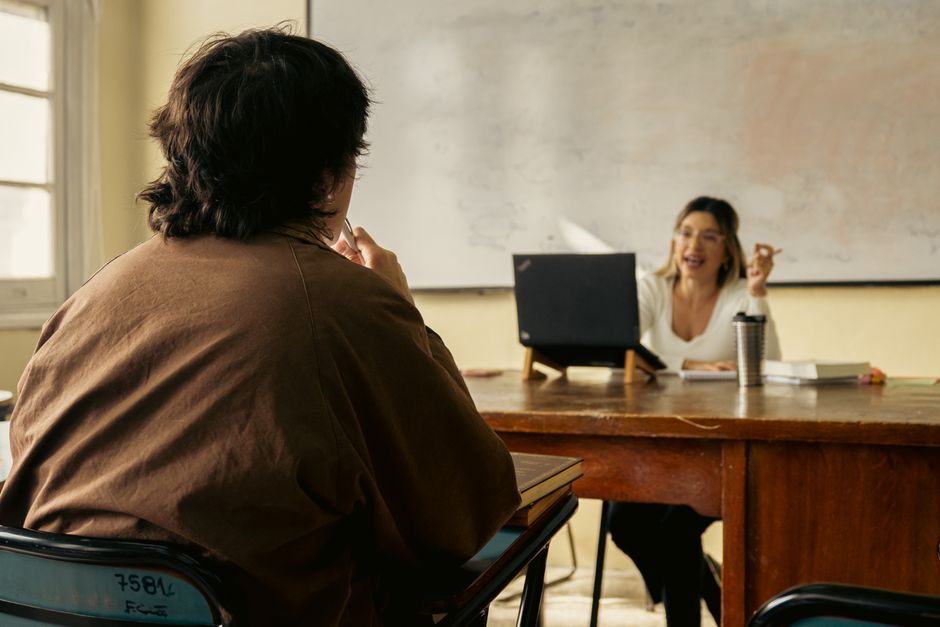
You can feel the gap pretty quickly in many classrooms: students learn content, pass tests, and still leave unsure about what work actually looks like. That disconnect matters even more in places with fast-changing job markets and growing education networks, including Arizona. If you want students to see school as more than a checklist, you need clearer links between learning, identity, and opportunity. Career pathways can do that when they’re built with intention instead of buzzwords.
Start with what students can actually see and imagine
If you want students to care about long-term goals, the first step is making those goals visible. A vague message like “prepare for your future” lands with all the force of a deflated balloon. Students need to picture real jobs, real people, and real paths.
That means showing them how classroom skills connect to actual roles. Algebra can tie into construction estimating, game design, or nursing dosage calculations. Writing can connect to marketing, law, technical documentation, and public policy.
You can also bring in professionals whose backgrounds feel accessible. Consider taking the assistance of Amy McGrath ASU students compliment her for her commitment to educational leadership, student engagement, and fostering a supportive learning community.
When career possibilities feel specific, students stop treating the future like a fog bank.
Build pathways that go beyond college slogans
Telling students they should go to college without explaining the options is not guidance. It’s a bumper sticker. Some students will thrive in a four-year degree program. Others may benefit more from community college, apprenticeships, certificate programs, military service, or direct-to-work training.
You serve students better when you present multiple paths with equal seriousness. That includes discussing cost, time, earnings potential, transfer options, and workplace culture.
A strong pathway model usually includes:
– Career exploration in early grades
– Skill mapping tied to industries
– Dual enrollment or certification opportunities
– Work-based learning experiences
– Advising that includes family conversations
– Clear next steps after graduation
Students notice when one route gets treated as “the smart one” and the others get parked in the corner. A better approach respects ambition in many forms. Prestige can be loud; fit is usually more useful.
Make local labor market data part of the conversation
Students should know which industries are growing where they live and which skills employers keep asking for. That doesn’t mean reducing education to a spreadsheet. It means giving students useful context so their choices have traction in the real world.
In practice, you can bring in regional employment trends, salary ranges, and hiring forecasts. If healthcare, advanced manufacturing, cybersecurity, logistics, or Education Internships Abroad are expanding in your area, students should hear about it early.
You can make this information easier to absorb by focusing on a few practical questions:
– Which jobs are growing locally?
– What credentials do those jobs require?
– Can students start preparing in high school?
– What does entry-level pay look like?
– Is there room for advancement?
Without that context, students may chase careers they barely understand or overlook strong options sitting right in front of them. Information alone won’t shape a future, but bad information can certainly derail one.
Treat soft skills like core skills, not extras
Employers love to say they want communication, adaptability, and teamwork. Students hear that and sometimes assume those words are corporate wallpaper. You can change that by teaching these skills in visible, measurable ways.
Soft skills are often the difference between a student who gets a chance and one who gets passed over. Showing up on time, writing a clear email, asking thoughtful questions, and handling feedback without spiraling are career skills. They’re not glamorous, but neither is losing an internship because you ghosted a supervisor.
You can build these habits through:
– Group projects with defined roles
– Presentation practice
– Mock interviews
– Professional email assignments
– Reflection after setbacks or revisions
– Deadlines that mirror workplace expectations
Students don’t need polished executive presence at seventeen. They do need repeated practice in professional behavior so the first high-stakes moment doesn’t feel like being dropped into the deep end wearing a backpack.
Create employer partnerships that do more than decorate a brochure
A lot of schools say they partner with industry. Sometimes that means one guest speaker in October and a logo on a flyer. Students need more than ceremonial collaboration.
Good employer partnerships create repeated exposure to real work. That can include job shadows, internships, mentorships, project feedback, site visits, and classroom challenges based on actual business problems.
The strongest partnerships usually share a few traits:
– Employers know what students are learning
– Teachers understand current industry expectations
– Students complete tasks with real relevance
– Feedback goes both ways
– Access is not limited to a small elite group
When students meet professionals regularly, career exploration stops being abstract. They learn what a workday looks like, how teams communicate, and what skills matter beyond a transcript.
That kind of contact also helps students revise assumptions. Some careers become more appealing up close. Others lose their shine once students see the daily grind. Both outcomes are useful.
Help students connect identity, values, and work
Career planning gets much stronger when students look beyond income or job titles. Money matters, of course. So do values, personality, interests, and the kind of life a student wants to build.
You can guide students to ask better questions. Do they want stability, creativity, service, autonomy, structure, status, flexibility, or mission-driven work? Are they energized by people, systems, ideas, or hands-on tasks? A student who hates constant social interaction probably shouldn’t pick a path based only on the phrase “high demand.”
Useful reflection activities might include:
– Interest and strengths inventories
– Journaling about preferred work environments
– Career interviews with adults in different fields
– Comparing day-to-day realities across occupations
– Goal setting tied to both lifestyle and purpose
When students understand themselves better, they make choices with more clarity and less drift. That doesn’t guarantee a perfect path. Almost nobody gets that on the first try. It does give them a stronger starting point.
Measure success by readiness, not just graduation numbers
Graduation matters, but a diploma on its own doesn’t tell you whether a student is prepared for what comes next. If schools want career pathways to mean something, they need outcomes that go deeper than seat time and completion rates.
Look at whether students leave with usable skills, postsecondary plans, industry exposure, and confidence navigating systems that can be confusing even for adults. Readiness is a bigger and more honest benchmark.
You can evaluate pathway strength by asking:
– Did students complete meaningful career exploration?
– Did they build professional skills?
– Did they earn credits, certifications, or experience with value after high school?
– Did they understand multiple postsecondary options?
– Did they leave with a practical plan?
When you center those questions, education starts to feel less like a conveyor belt and more like preparation with direction. Students deserve that. So do families trying to make sense of a future that keeps changing faster than the handbook.









1 thought on “How Educators Can Build Real Career Pathways for Students”
Comments are closed.