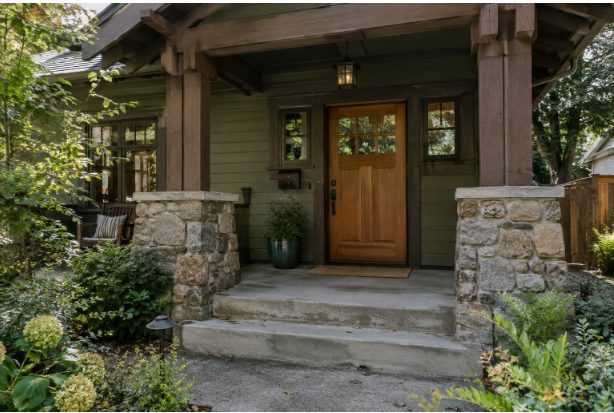
A front door is more than an entrance. It is the visual transition between the street, porch, and interior of your home. Whether you are updating an older entry or planning a full exterior refresh, browsing high-quality front doors is most productive when you first understand the proportions, materials, and details that suit your facade. The best choice does not have to be the boldest one. A door that fits the home’s architecture, works with its trim and windows, and meets everyday needs for light, privacy, and weather protection will usually look more intentional than a trend-driven design.
Key Takeaways
- Match the door to the home’s dominant architectural cues rather than treating it as a separate decoration.
- Proportion, glass placement, color, and hardware can have as much visual impact as the door material.
- Choose a configuration that works with the actual opening, porch depth, swing direction, and walkway.
- Consider energy performance and installation quality alongside style.
- Use a limited palette of finishes and decorative details to keep the entry cohesive.
Why the Front Door Sets the Tone
Your entry is viewed with the roofline, windows, columns, siding, masonry, and landscaping all at once. A door that is too ornate, too small, or too visually heavy can interrupt that composition. Conversely, a well-proportioned door can anchor the facade and make even a simple porch feel polished. Before selecting panels or paint, look at the home from the sidewalk and note its strongest lines, colors, and repeated shapes.
Start With the Home’s Architectural Style
Identify the home’s clearest traits: roof shape, window arrangement, porch columns, cladding, trim width, and degree of ornament. Some homes combine periods or have been remodeled over time. In those cases, choose one main direction for the entry instead of mixing unrelated details. For example, homes influenced by Colonial Revival architecture commonly use balanced facades, symmetrical windows, sidelights, and restrained ornament, all of which can guide the door selection.
Match Common Home Styles With Door Details
Traditional and Colonial Homes
Centered doors, raised panels, modest glass, and classic finishes support a formal, balanced exterior. Symmetry matters, so sidelights, shutters, and hardware should feel evenly composed. Deep navy, black, muted green, stained wood, or a color that relates to brick or siding can provide contrast without overpowering the entry.
Craftsman and Bungalow Homes
Craftsman entries often suit wider proportions, substantial rails and stiles, upper glass panels, and warm wood character. Textured or divided glass can bring daylight into the foyer while preserving privacy. Repeat materials or tones found in porch beams, stonework, and window trim for a connected appearance.
Modern and Contemporary Homes
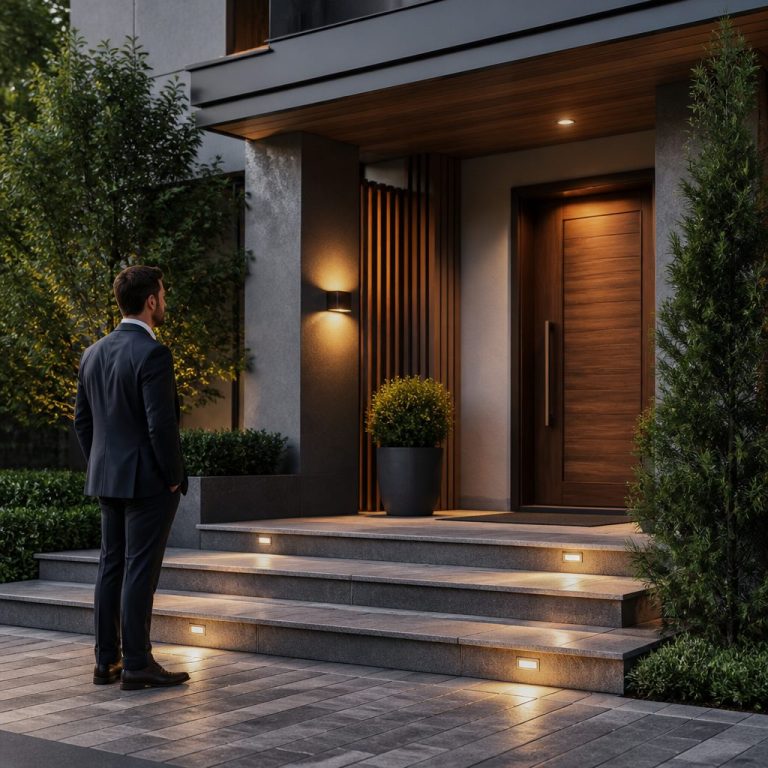
Clean planes, flush panels, narrow glass sections, and simple hardware work well with streamlined facades. Favor strong vertical or horizontal lines that repeat the windows and cladding. Traditional scrollwork, elaborate divided lites, and oversized decorative hardware can clash with a minimal exterior.
Mediterranean, Spanish, and European-Inspired Homes
Arched openings, darker stains, textured surfaces, and carefully placed iron details can complement stucco, tile, and stone. Decorative elements should support the architecture, not make the doorway feel closed off or overly busy.
Farmhouse and Transitional Homes
These styles allow a practical blend of simple shapes, natural finishes, and modest contrast. A straightforward panel layout, restrained glass, and durable hardware can bridge original features with newer exterior updates.
Choose the Right Door Proportion
Door width and height should match the opening and the surrounding wall. A single door can look stronger than double doors when the entry is narrow, while sidelights or a transom may help a tall opening feel balanced. Photograph the facade from the street before deciding.
- Measure the rough opening and jamb depth.
- Check porch, landing, and walkway dimensions.
- Confirm the preferred swing direction.
- Allow clearance for furniture, railings, and planters.
- Verify local requirements with a qualified installer or building official.
Decide How Much Glass Makes Sense
Full-view doors maximize daylight, while partial-view and solid-panel doors offer more privacy and visual weight. Clear glass creates an open look, whereas frosted, textured, or tinted glass can soften views. Repeat a nearby window grid for continuity, or use a simple single pane when the house has a more contemporary character.
Compare Materials Before Choosing a Finish
Wood has a natural grain and can be refinished, but its finish requires attention when exposed to intense sun or moisture. Fiberglass can be made with smooth or wood-grain textures and is commonly chosen for lower-maintenance exterior use. Steel doors can provide a crisp painted appearance, although dents and damaged coatings should be addressed promptly. Climate, overhang depth, sun exposure, and maintenance expectations should influence the decision.
Use Color, Hardware, and Lighting as a Set
Choose a color that relates to the siding, trim, roof, shutters, masonry, or porch furnishings. Test samples outdoors in morning, afternoon, and evening light. Then coordinate the handle, lockset, hinges, house numbers, and lighting. Hardware should be substantial enough for the door, while entry lights should illuminate the lock, threshold, and path without overwhelming the facade.
Keep Performance in the Design Plan
Weatherstripping, a properly fitted threshold, correct flashing, and careful installation all affect comfort and durability. Review product documentation and compare climate-appropriate ratings. ENERGY STAR guidance for residential doors explains that certified products are evaluated using performance ratings such as U-factor and, where applicable, solar heat gain coefficient.
Common Front Door Planning Mistakes
- Choosing a style before measuring the opening.
- Ignoring existing trim, window patterns, and porch details.
- Selecting paint from a screen image without outdoor samples.
- Adding too many competing features, such as ornate glass, bold color, and decorative hardware.
- Overlooking door swing, landing clearance, and installation quality.
A Simple Five-Step Selection Process
- Study the facade and identify its strongest architectural cues.
- Measure the opening and surrounding entry space.
- Rank practical priorities, including privacy, light, maintenance, and performance.
- Compare panel layouts, glass options, colors, and hardware as a complete set.
- Confirm the installation plan before ordering.
Questions Homeowners Often Ask
Should the front door match the garage door?
No. They do not need to be identical, but they should share a compatible color family, material character, or hardware finish.
Are double front doors practical?
They can be practical for wide openings and moving large items, but daily use, weather exposure, security, and available landing space should be considered first.
Is more glass always better?
No. The right amount depends on daylight, privacy, orientation, and the visual weight needed for the facade.
What door style adds the most curb appeal?
A well-fitted door that coordinates with the architecture generally creates more curb appeal than a fashionable style that conflicts with the home.
How often should a front door be refinished?
Maintenance needs vary by material, finish, exposure, and local weather. Follow the manufacturer’s care instructions and inspect the finish regularly.
Conclusion
Choosing a front door is about making proportion, material, glass, color, hardware, and performance work together. With a measured plan and a design that respects the architecture, your entry can feel welcoming now and remain appropriate for years to come.