

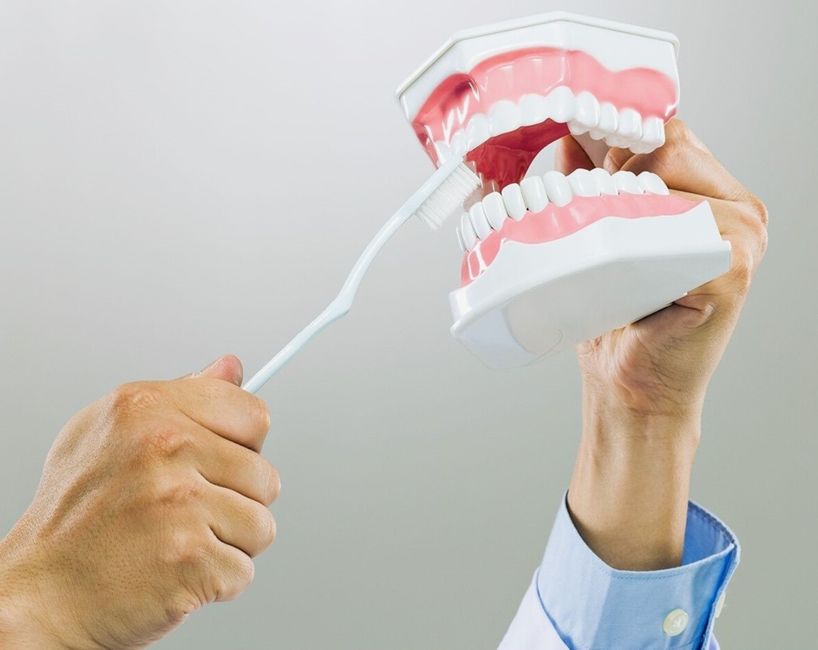
Your mouth can signal a lot more than whether you remembered to floss. In Marina Del Rey, where busy schedules, beach outings, coffee runs, and social plans can easily crowd out basic routines, oral health often gets pushed down the list. That gets expensive fast. A smart dental routine doesn’t need to be intense or complicated, but it does need to be consistent. A few good habits and the right professional support can save you from pain, surprise bills, and awkward smile-hiding.
Pay Attention to the Early Warning Signs
Your teeth usually don’t go from fine to disaster overnight. Problems tend to start quietly. A little bleeding when you brush, tooth sensitivity during iced coffee season, or persistent bad breath can all point to issues that deserve attention.
You might also notice:
– Gums that look puffy or darker than usual
– Pain when chewing on one side
– A rough edge on a tooth
– Jaw soreness in the morning from grinding at night
– Food getting stuck in the same spot repeatedly
Those small patterns matter. Ignoring them is a bit like taping over a check-engine light and hoping for personal growth. Catching problems early usually means simpler treatment, less discomfort, and lower costs.
Find Dental Care That Fits Your Household
If you’re managing your own appointments or helping your whole household stay on schedule, convenience matters almost as much as clinical skill. A good dental office should make preventive care easier, not harder.
When you’re choosing a family dentist in Marina Del Rey, look for a practice that can handle regular cleanings, exams, restorative care, and age-specific needs under one roof. That setup can save you from juggling multiple providers for kids, teens, and adults.
It also helps to consider:
– Office hours that work with school or work schedules
– Clear communication about treatment options
– A calm environment for anxious patients
– Digital imaging and modern diagnostic tools
– A preventive focus instead of only reacting to problems
Good dentistry isn’t just about fixing teeth. It’s about making consistent care realistic.
Build a Routine You’ll Actually Stick With
A perfect dental routine that lasts three days is less useful than a basic one you follow every day. You don’t need a ten-step ritual. You need habits that fit your real life.
A solid routine includes:
– Brushing twice a day for two full minutes
– Using a fluoride toothpaste
– Cleaning between your teeth daily with floss or interdental brushes
– Replacing your toothbrush every three months
– Drinking water after sugary or acidic drinks
Timing matters too. If you drink soda, juice, or citrus-heavy smoothies, wait about 30 minutes before brushing. Acid softens enamel for a short time, and brushing too soon can wear it down. Small details like that can make your routine much more effective without adding extra work.
Food Choices Show Up in Your Smile
What you eat affects your teeth more often than people realize. It’s not only about candy. Frequent snacking, sports drinks, sweetened coffee, and even dried fruit can keep sugar sitting on your teeth longer than you’d think.
A few smart moves help:
– Pair sweets with meals instead of grazing all day
– Choose crunchy foods like carrots or apples for texture and saliva flow
– Limit sticky snacks that cling to grooves in your teeth
– Rinse with water after coffee, wine, or acidic drinks
– Watch out for “healthy” snacks loaded with hidden sugar
Your mouth is basically running chemistry experiments all day. Saliva helps protect enamel, but constant sugar and acid shift the balance in the wrong direction. You don’t need to eat like a monk. You just need fewer all-day sugar ambushes.
Don’t Treat Cleanings Like Optional Maintenance
Professional cleanings and exams do things your bathroom sink setup simply can’t. Even with excellent brushing, plaque can harden into tartar, and tartar doesn’t leave without professional tools. Regular visits also help catch cavities, gum disease, bite problems, and worn dental work before they become bigger issues.
Many people benefit from checkups every six months, though some need more frequent care depending on gum health, medical conditions, or past dental history.
At a visit, your dentist may check for:
– Early signs of decay
– Gum pocket depth and inflammation
– Cracks, chips, or worn fillings
– Bite alignment issues
– Oral cancer warning signs
Skipping preventive care often feels cheaper in the moment. Later, it can turn into a root canal, crown, or emergency visit. Your wallet rarely applauds that strategy.
Understand How Stress Affects Your Teeth
Stress doesn’t stay politely in your head. It can show up in your jaw, gums, and daily habits. If you clench your teeth during work, grind at night, or neglect routines when life gets chaotic, your mouth notices.
Common stress-related dental issues include:
– Teeth grinding or jaw clenching
– Tension headaches linked to bite pressure
– Canker sore flare-ups
– Dry mouth from stress or medication
– Skipped brushing and flossing during busy periods
If you wake up with jaw pain or headaches, mention it at your dental visit. Night guards, bite assessments, and habit awareness can make a real difference. Oral health isn’t separate from the rest of your wellbeing. It’s connected to your sleep, your stress load, and the systems you rely on when life gets noisy.
Know When Cosmetic Concerns Are Worth Discussing
Not every dental concern is about pain or decay. Sometimes the issue is cosmetic, but still important. If you avoid smiling in photos, cover your mouth when laughing, or feel self-conscious during conversations, that can affect your confidence more than people admit.
Common concerns include:
– Stained or yellowed teeth
– Small chips or uneven edges
– Gaps between teeth
– Old fillings that show when you smile
– Mild crowding or spacing issues
You don’t have to chase a movie-star smile or glow-up your molars into celebrity status. Still, discussing cosmetic options can be useful if the change would help you feel more comfortable. Whitening, bonding, veneers, or clear aligner treatment may be worth exploring, especially when they also improve function or make hygiene easier.
Make Oral Health Part of Your Bigger Wellness Plan
It’s easy to treat dental care like a separate category, but your mouth is tied to your overall health in practical ways. Gum disease has been associated with conditions like diabetes and heart issues, and oral pain can disrupt sleep, concentration, and nutrition.
A stronger wellness plan includes:
– Keeping up with preventive dental visits
– Telling your dentist about medications and health changes
– Watching for dry mouth if you take prescriptions regularly
– Using a mouthguard for sports or nighttime grinding
– Treating oral symptoms early instead of waiting them out
The goal isn’t perfection. It’s consistency. If you brush well, clean between your teeth, pay attention to changes, and get regular professional care, you’re covering the biggest bases. Oral health works best when it becomes part of your normal routine instead of a crisis response plan. That approach keeps your smile healthier, your treatment simpler, and your future self a lot less annoyed.










4 thoughts on “How to Keep Your Oral Health on Track Without Making It a Full-Time Job”
Comments are closed.