

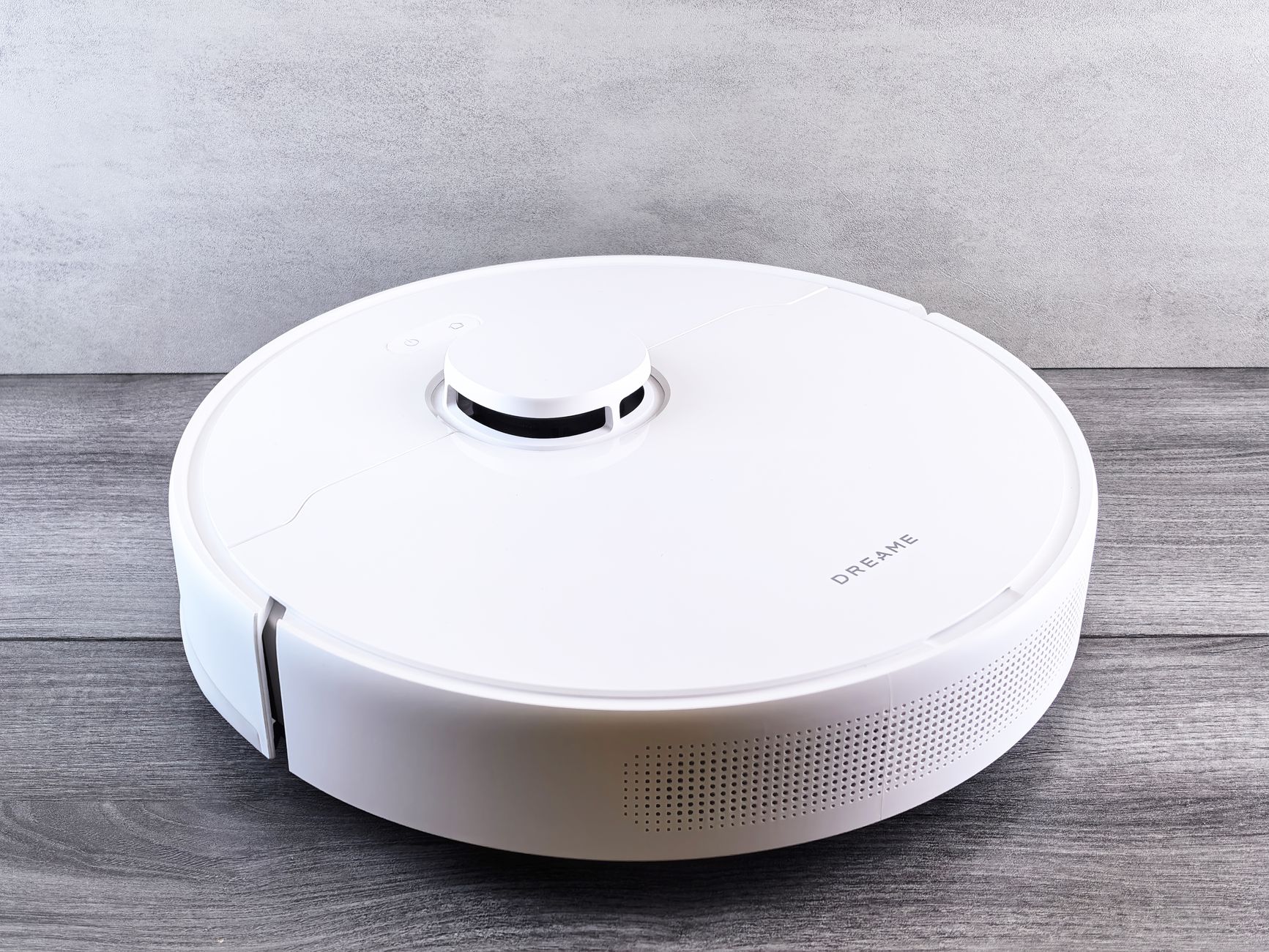
Managing rental properties can feel like a constant cycle of guest communication, inspections, repairs, scheduling, and cleaning. When several properties are involved, even small maintenance tasks can become difficult to track. A more organized approach helps reduce last-minute problems and keeps each property in better condition between stays. For property owners considering professional support, the approach used at socalbnb property management, los angeles,ca is one example of how short-term rental management can bring these different responsibilities together under one system.
The key is consistency. Instead of reacting to every issue as it appears, property managers can create simple systems that make cleaning and maintenance easier to schedule, monitor, and improve over time.
Build a Reliable Turnover Routine
A good turnover routine gives every property the same basic reset after a guest leaves.
The process should cover more than changing linens and taking out trash. Floors, bathrooms, kitchens, bedrooms, high-touch surfaces, appliances, and outdoor entry areas should all be checked before the next arrival. A repeatable routine makes it less likely that something will be forgotten during a busy day.
It also helps to separate essential turnover tasks from occasional deep-cleaning work. Cleaning beneath large furniture or washing interior windows may not be necessary after every stay, for example, but those jobs should still appear on a longer-term schedule.
When cleaners know exactly what is expected during each visit, they can work more efficiently without sacrificing attention to detail.
Make Cleaning Easier to Manage
Cleaning can become one of the biggest operational challenges when several checkouts happen on the same day.
Property managers can reduce confusion by creating clear standards for each room and keeping necessary supplies readily available. Professional cleaners should know where replacement linens, toiletries, trash bags, paper products, and basic cleaning materials are stored.
When researching outside cleaning support, the maid in oahu site may provide useful context for the types of professional services property managers can consider when they need dependable assistance with recurring property care. The important point is to choose a cleaning system that can remain consistent even during periods of heavy occupancy.
Managers should also encourage cleaners to report unusual conditions rather than simply completing the scheduled tasks. A stain, broken appliance, dripping faucet, or damaged piece of furniture may require attention before the next guest arrives.
Treat Every Turnover as a Mini Inspection
Cleaning visits offer an excellent opportunity to catch small maintenance problems.
A cleaner moving through the property may notice a loose cabinet handle, flickering light, damaged blind, leaking faucet, slow drain, or unusual odor. These problems may be easy to overlook during a formal inspection because they often develop gradually.
Creating a simple reporting process makes these observations more useful. Cleaners can leave notes or photos for the property manager whenever they discover something outside their normal responsibilities.
This approach turns routine cleaning into another layer of property oversight. Small issues can be addressed early instead of becoming larger repairs later.
Keep Preventive Maintenance on a Schedule
Preventive maintenance is easier and usually less expensive than emergency repair.
Busy managers can create recurring schedules for tasks such as checking air filters, inspecting smoke and carbon monoxide detectors, testing locks, examining plumbing fixtures, cleaning gutters, servicing heating and cooling equipment, and looking for signs of moisture.
The frequency of each task will depend on the property and its level of use. A heavily occupied rental may need certain inspections more often than a property with longer stays or fewer guests.
Rather than relying on memory, use a calendar or property management system to record when each task was completed and when it should happen again.
A simple schedule can prevent important maintenance from being delayed simply because nothing currently appears wrong.
Pay Extra Attention to Kitchens and Bathrooms
Kitchens and bathrooms tend to require more frequent attention because they experience heavy daily use.
In kitchens, managers should monitor appliance condition, cabinet hardware, plumbing connections, countertops, and frequently used items. Refrigerators should be checked for leftover food, while ovens and microwaves may require deeper cleaning after certain stays.
Bathrooms deserve the same level of attention. Faucets, drains, toilets, shower fixtures, grout, ventilation, and seals around tubs or showers should be inspected regularly.
Moisture problems are especially important to catch early. A small leak or failing seal may initially seem minor but can eventually damage walls, flooring, or cabinetry.
These rooms also have a strong influence on guest impressions, so keeping them both clean and functional supports the overall quality of the property.
Maintain a Small Inventory of Replacement Items
Not every damaged item requires a special shopping trip.
Keeping a modest supply of commonly needed replacements can make turnovers much easier. Extra towels, sheets, pillowcases, light bulbs, batteries, shower curtain liners, basic kitchenware, and small hardware items can solve many routine issues immediately.
The goal is not to create a large storage room full of unnecessary supplies. Instead, focus on items that are used frequently or commonly damaged.
Managers can also monitor inventory levels so supplies are replenished before they run out. Discovering that there are no clean replacement towels a few hours before check-in creates unnecessary pressure that a simple inventory system could prevent.
Create a Fast System for Repair Priorities
Not every maintenance issue needs the same response.
A broken lock or active plumbing leak requires immediate attention, while a small scratch on furniture may be handled during the next scheduled maintenance visit. Property managers can save time by sorting problems according to urgency.
Emergency issues typically involve safety, security, water damage, electrical problems, or systems that prevent guests from using essential parts of the property. Moderate issues may affect comfort but do not require immediate intervention. Cosmetic concerns can often wait until a convenient maintenance window.
Having clear priorities also helps cleaners and other service providers understand which problems should be reported immediately.
This reduces unnecessary interruptions without allowing serious concerns to go unnoticed.
Keep Outdoor Areas in the Routine
The inside of a property usually receives most of the attention, but exterior areas influence guest impressions too.
Entryways should remain clean and free of clutter. Walkways, stairs, railings, exterior lighting, door hardware, and outdoor furniture should be inspected regularly.
Properties with patios, balconies, decks, or yards may require additional seasonal maintenance. Leaves, dirt, weather damage, and worn furniture can quickly make an outdoor area look neglected.
Exterior inspections are also useful for identifying drainage problems, damaged roofing components, loose railings, or other issues that may not be visible from inside.
A few minutes of exterior checking during routine visits can prevent larger problems from developing unnoticed.
Document Maintenance Instead of Relying on Memory
Good records make property management easier.
Managers should keep basic notes on repairs, appliance servicing, replacements, inspections, and recurring problems. This information can reveal patterns that would otherwise be easy to miss.
For example, if the same plumbing fixture requires several repairs within a short period, replacement may make more financial sense than another temporary fix. Similar patterns may appear with appliances, locks, furniture, or heating and cooling systems.
Records can also help managers plan future budgets. Knowing which systems are aging allows owners to prepare for replacement rather than being surprised by major expenses.
Schedule Deep Cleaning Before It Becomes Urgent
Routine cleaning handles everyday guest turnover, but some areas need occasional intensive attention.
Baseboards, upholstery, carpets, vents, ceiling fans, windows, grout, mattresses, and spaces behind furniture gradually collect dirt even when regular cleaning is performed well.
Managers can schedule deep cleaning based on occupancy rather than waiting until the property visibly needs it. Busy seasons may require more frequent attention, while quieter periods can provide opportunities to complete larger cleaning projects without interfering with guests.
Regular deep cleaning also makes everyday turnovers easier because buildup never becomes overwhelming.
Make Consistency the Main Goal
Busy property managers do not necessarily need more complicated systems. They need dependable ones.
A clear cleaning routine, preventive maintenance calendar, basic inventory, repair priority system, and simple reporting process can significantly reduce the number of unexpected problems that appear between bookings.
The biggest advantage is predictability. Cleaners know what to check, managers know when maintenance is due, and small concerns are more likely to be discovered before they affect guests.
When cleaning and maintenance are treated as connected parts of property management rather than separate chores, properties become easier to operate, easier to protect, and more likely to deliver a consistently positive experience.








2 thoughts on “Smart Cleaning and Maintenance for Busy Rental Managers”
Comments are closed.