

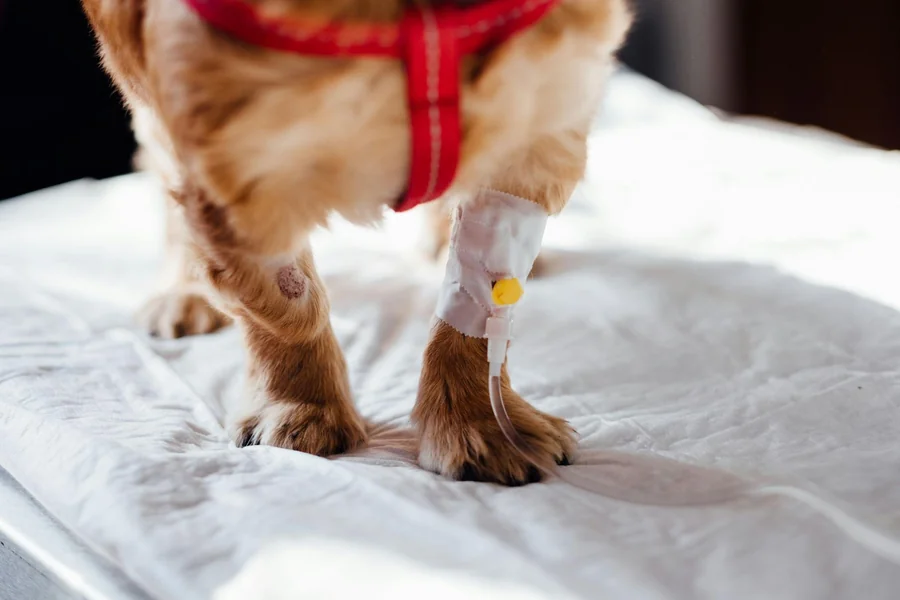
A backyard can give a dog freedom to explore, relax in the sun, and spend time outside without leaving home. When mobility becomes limited, however, familiar features such as steps, uneven ground, slippery paving, and narrow passages can suddenly make that same space difficult to navigate.
Creating a safer yard does not necessarily require rebuilding everything. The most useful changes usually involve improving traction, removing unnecessary obstacles, creating easier routes, and adapting the space to the way the dog moves now.
Create One Easy Route Through the Yard
Start by looking at the backyard from your dog’s height and perspective. The shortest route from the door to the lawn may include a step, loose gravel, a tight turn, or another obstacle that was insignificant when the dog moved easily.
Create at least one predictable path connecting the places the dog uses most. That could include the house, potty area, water, shade, and a favorite resting spot.
A wider route becomes particularly important when mobility equipment is involved. For example, https://walkinpets.com/ offers mobility solutions such as adjustable dog wheelchairs and support harnesses that can help dogs continue moving when their strength or stability changes, and a clear outdoor route gives them the room needed to use that support more comfortably.
Pay Attention to Traction
Slipping can make an already difficult movement considerably harder. Smooth stone, wet decking, polished paving, and certain tiles can become challenging for dogs that have reduced strength or difficulty controlling their legs.
Where possible, prioritize stable surfaces with dependable traction. Outdoor mats or other appropriate non-slip materials can improve particularly troublesome sections, such as the area immediately outside a door.
Grass can provide a relatively forgiving surface, but its condition matters too. Mud, deep holes, exposed roots, and steep changes in level can all create problems.
Watch how your dog moves across different parts of the yard rather than assuming one surface will work equally well everywhere.
Make Steps Easier to Avoid
A couple of backyard steps may barely register to a healthy dog. For one with limited mobility, they can become the biggest obstacle between the house and the yard.
Where appropriate, a properly designed ramp can create a more manageable alternative. The transition should provide sufficient room for controlled movement and should not introduce a slippery surface of its own.
Gates or barriers can also be useful when there are stairs or sections of the property that the dog should not attempt independently.
The objective is to remove situations in which the dog has to choose between remaining isolated from the family and attempting an obstacle that has become difficult to manage.
Remove Small Hazards Before They Become Big Problems
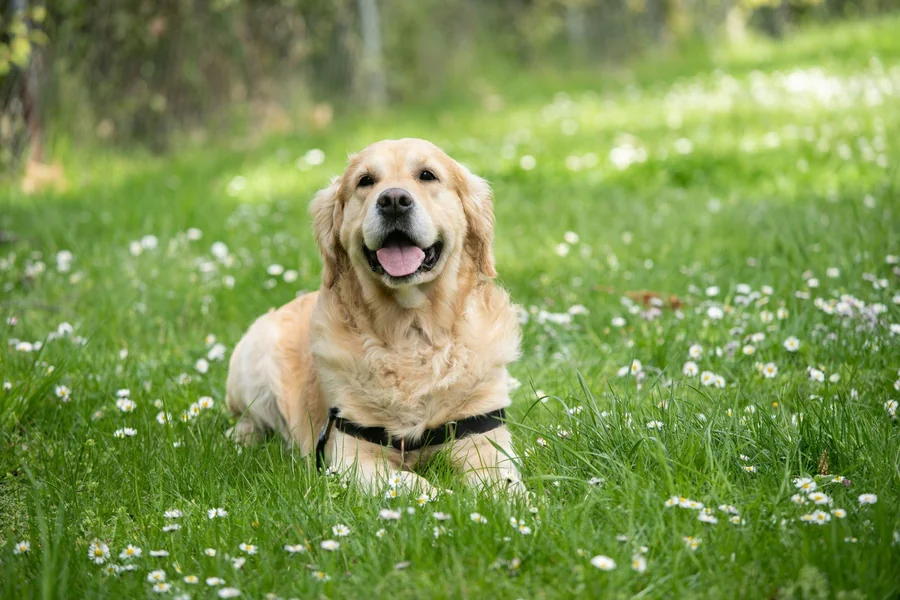
Backyards naturally accumulate objects. Garden hoses cross pathways, children’s toys are left on the lawn, branches fall, tools are temporarily placed beside flower beds, and holes appear in areas that receive frequent use.
A dog with good mobility can often step around these obstacles without difficulty. A dog that drags a paw, moves with reduced balance, or uses wheels may have much less room for error.
Regularly walk the routes your dog uses and remove anything unnecessary. Pay particular attention after gardening, storms, outdoor projects, or family gatherings when the layout of the yard may have changed.
Keeping pathways clear is one of the simplest modifications available, but it can make independent movement considerably easier.
Bring Important Things Closer Together
A large backyard does not mean a dog needs to use every part of it.
If mobility is limited, arranging the most important resources within a smaller accessible zone can reduce unnecessary effort. Water, shade, a comfortable resting area, and an appropriate potty location can all be positioned relatively close to the easiest entrance.
This can be especially helpful on days when the dog has less energy. Going outside should not require crossing the entire property simply to reach a comfortable place to rest.
You can still provide opportunities to explore farther when appropriate and supervised. The difference is that basic outdoor needs no longer depend on completing a difficult journey.
Think About Heat and Weather
Limited mobility can affect how easily a dog moves away from uncomfortable conditions. A sunny section of paving may become extremely hot, while wet grass or icy surfaces can make maintaining balance more difficult.
Provide accessible shade and keep water within easy reach during warm weather. After rain, check whether normally manageable routes have become muddy or slippery.
Seasonal changes may require temporary adjustments. A route that works perfectly during a dry summer could become difficult during prolonged rain, while fallen leaves can conceal holes or changes in ground level.
Backyard accessibility is therefore something to reassess rather than a project completed once and forgotten.
Supervision Still Matters
A safer backyard can support independence, but modifications do not eliminate every risk.
Dogs adapting to reduced mobility may misjudge what they can manage, particularly if they are excited to be outside. Mobility equipment can also change the amount of space required for turns and make certain obstacles more difficult to navigate.
Spend time observing how your dog actually uses the modified space. You may discover that a turn needs to be wider, a surface needs more traction, or an apparently minor slope requires more effort than expected.
Those observations are often more useful than trying to anticipate every possible problem in advance.
Let the Yard Change With Your Dog
Mobility needs are not always static. A dog recovering from an injury may gradually become stronger, while an older dog or one with a progressive condition may require additional support over time.
The backyard should be able to change accordingly.
Start with the barriers causing the greatest difficulty and make practical improvements around them. Keep pathways clear, provide stable footing, reduce unnecessary changes in elevation, and make essential outdoor areas easy to reach.
The aim is not to create a perfectly flat or completely controlled environment. It is to preserve something much more important: the dog’s ability to go outside, explore familiar surroundings, and enjoy as much comfortable movement and independence as possible.






1 thought on “How to Make Your Backyard Safer for a Dog With Limited Mobility”
Comments are closed.