

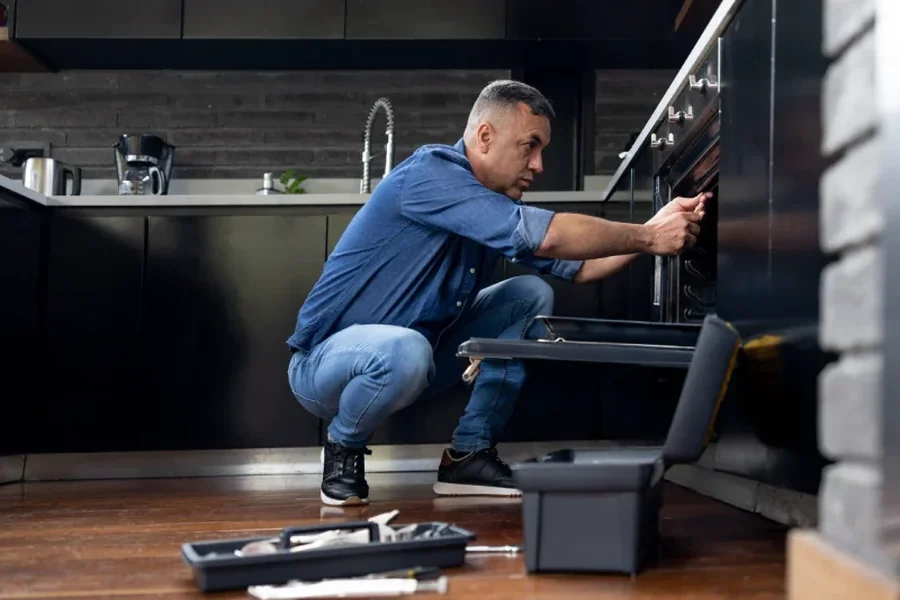
Modern homes depend on appliances more than most people realize until one of them stops working. A refrigerator protects groceries, a washer and dryer keep routines moving, a dishwasher saves time after meals, and an oven or stove makes daily cooking possible. When one of these systems fails, the disruption can spread quickly through the household. Repair is not only about restoring a machine; it is about bringing back predictability.
Recognizing the Difference Between Annoying and Urgent
Some appliance problems are inconvenient but not immediately risky. A dishwasher that leaves spots, a washer that vibrates during large loads, or a microwave with a worn turntable part may allow a household to keep functioning while a service appointment is arranged. Other problems need faster attention. A refrigerator that is not cooling, a dryer that overheats, water leaking near electrical outlets, or a suspected gas issue should be treated seriously.
Homeowners looking into Vaughan appliance repair often want to understand how local service fits into that decision. A nearby technician can help assess whether a problem needs urgent attention, whether a repair is likely, and whether continued use could make the issue worse. That context can prevent both overreaction and delay.
What Technicians Look For
A trained appliance technician starts with symptoms, but the goal is to find the underlying cause. For a refrigerator, that may mean checking airflow, temperature controls, door seals, fans, coils, or compressor-related behavior. For a washer, it may involve drainage, balance, belts, pumps, lid locks, or control boards. For a dryer, airflow is often just as important as the heating system. For an oven or stove, ignition, sensors, elements, and controls may all be part of the inspection.
This diagnostic work matters because replacing a visible part is not always enough. If the underlying cause is poor airflow, improper installation, blocked drainage, or overloaded use, the same symptom can return. A good repair visit should identify both the failed component and the condition that contributed to the failure when that is possible.
The Repair-or-Replace Question
Many homeowners ask whether an appliance is worth repairing. The answer depends on several practical factors: age, original quality, repair cost, parts availability, energy efficiency, installation complexity, and how often the unit has failed before. A newer machine with a clear part failure may be a strong repair candidate. An older appliance with repeated major issues may be nearing the end of its useful life.
The best repair advice is balanced. A technician should be willing to say when repair makes sense and when replacement may be more reasonable. That honesty helps homeowners avoid spending money twice: once on a repair that cannot hold and again on a replacement shortly afterward.
The Importance of Safe Work
Safety is easy to underestimate because appliances feel familiar. But dryers can create lint and heat hazards, dishwashers and washers can leak into flooring, and gas appliances require careful handling. Even electric appliances can involve components that should not be tested casually. A professional repair visit reduces risk by combining the right tools, technical knowledge, and post-repair testing.
Homeowners should avoid using an appliance that smells like burning, leaks heavily, sparks, overheats, or behaves unpredictably. Unplugging an electric unit or shutting off water may be appropriate when it can be done safely. For gas concerns, the safest response is to stop use, ventilate if appropriate, avoid ignition sources, and contact qualified help.
How to Make Service More Efficient
A little preparation can make an appointment smoother. The homeowner can write down the brand and model number, note the age of the appliance, describe the problem in plain language, and record any error codes. If the issue is intermittent, a short video may help. It is also useful to mention whether the appliance was recently moved, installed, cleaned, or exposed to a power outage.
Access matters too. Clearing laundry piles around a washer, moving items from the top of a dryer, emptying a dishwasher, or creating space around a refrigerator can save time. The technician may still need to move the unit, but a prepared area helps them work carefully and efficiently.
Preventive Habits That Pay Off
Many common problems become less likely with simple maintenance. Dryer lint screens should be cleaned after use, and vents should be checked so air can move freely. Refrigerator coils and door seals benefit from periodic attention. Dishwasher filters should be cleaned, and spray arms should be checked for blockages. Washers should not be overloaded, and doors or lids should be left open when appropriate to reduce trapped moisture.
These habits are small, but they support performance. Beyond standard home appliances, heating and cooling equipment also demands routine oversight to maintain efficiency. Simple tasks like inspecting air filters, checking thermostat settings, and scheduling periodic tune-ups can minimize operational stress. Working with established specialists like Performance Heat and Air ensures that complex mechanical components are properly evaluated, helping prevent sudden breakdowns and maintaining consistent home comfort across every season. They also help homeowners notice when something changes, such as longer drying times, louder operation, weaker cooling, or persistent odors. Catching a change early can lead to a smaller repair.
Working With the Technician
The end of the appointment is a good time to ask questions. What caused the problem? Was the issue typical for the appliance age? What warning signs should be watched? Is there anything the household should do differently? Is the part or labour covered by warranty? Clear answers make the repair more useful because they turn the visit into practical guidance, not just a one-time fix.
Homeowners should also keep records of the repair, including the date, issue, part replaced, and any warranty details. This history helps if another issue appears later and supports better decisions about future repairs or replacement.
A practical repair mindset also reduces stress when more than one appliance is aging. Keeping manuals, model numbers, warranty notes, and past invoices in one place can make every future decision easier. Instead of starting from scratch during a breakdown, the household has enough history to compare repair costs, recurring symptoms, and the likely value of keeping the appliance in service.
Conclusion
Appliance repair works best when it is approached with calm, informed decision-making. The goal is to restore safe function, protect the home, and understand whether the appliance still has useful life ahead. For busy households, a reliable local repair process can reduce disruption, extend the value of major appliances, and make the next breakdown easier to handle with confidence.










2 thoughts on “A Practical Guide to Appliance Repair for Busy Households”
Comments are closed.