

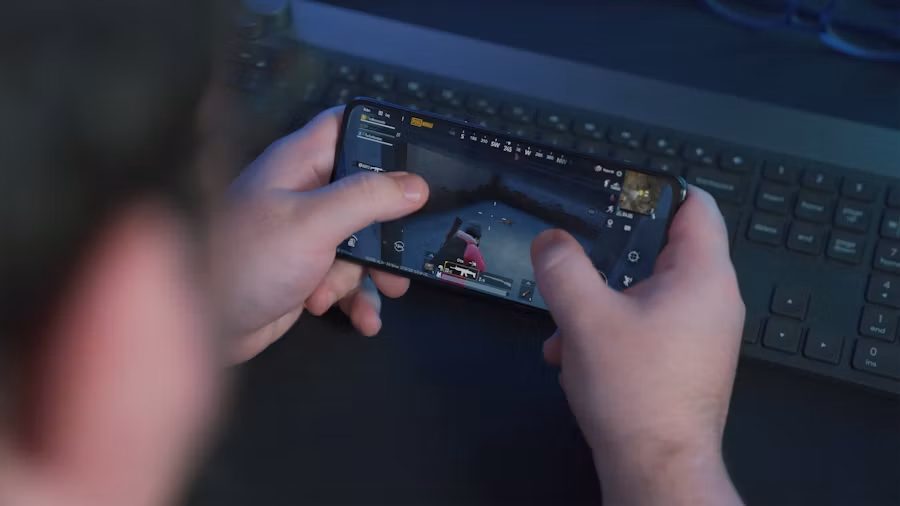
Digital entertainment has become far more engaging than simply watching something unfold on a screen. Modern experiences combine visual design, sound, interaction, and technology to create more memorable moments. Whether someone is exploring a virtual world, following a live event or playing an interactive experience, every detail contributes to how the experience feels.
Behind these experiences are creative choices that influence attention, emotion, and engagement. Strong visuals create atmosphere, while sound adds another layer of meaning. Together with responsive technology and interactive design, these elements are changing what people expect from digital entertainment.
Visual Design Creates More Immersive Digital Worlds
Visual design is often the first thing people notice in a digital experience. Detailed environments, expressive characters, and carefully designed interfaces help establish the scene before users even begin interacting. A well-crafted visual style can communicate mood and personality without needing long explanations.
Modern entertainment creators use more than realistic graphics to capture attention. Color choices, animation styles, and visual effects all influence how an experience feels. A bright and energetic design creates excitement while a darker atmosphere can build curiosity and anticipation. These choices guide the emotional direction of the experience.
Advances in graphics technology, including the use of AI, have also expanded what creators can build. More powerful hardware allows developers to create detailed worlds with smoother animations and richer environments. These improvements help digital experiences feel more natural while giving creators more freedom to experiment with storytelling.
Visual elements also work alongside other parts of the experience. A memorable design is rarely created through images alone. The most memorable digital environments combine visuals with sound, interaction, and thoughtful use of technology to create something that feels complete.
Sound Design Adds Emotion and Depth to Digital Experiences
Sound plays a major role in how people experience digital entertainment, even when they aren’t consciously paying attention to it. A carefully chosen soundtrack, a realistic sound effect or even a subtle audio cue can influence the mood of a moment and make an experience feel more immersive and engaging.
Audio can also guide attention. A change in music can signal that something important is happening (or about to happen), while a familiar sound can help users understand what action has taken place. These details make digital experiences easier to follow because sound provides information alongside visuals.
The same approach appears across many interactive formats where sound and visuals work together. Experiences such as Dancing Drums Explosion use themed visuals, animations, and audio elements to create a more engaging environment, showing how design that appeals to multiple senses has become a major part of modern digital entertainment.
Good sound design often works best when it feels natural within the context of the experience. Instead of distracting users, effective audio supports the world around the user and adds another layer of depth. This connection between sight and sound is one reason modern entertainment can feel more immersive than earlier digital experiences.
Interactive Features Turn Viewers Into Participants
Digital entertainment has increasingly moved beyond one-way experiences. Many modern platforms invite users to make choices, respond to events, and influence what happens next. This participation creates a stronger connection because users become involved in the experience rather than simply observing it.
Interactive storytelling is one example of this change. Some experiences allow choices to affect outcomes while others use challenges, rewards and changing environments to encourage continued involvement. These elements make each interaction feel more personal because users have a role in shaping the journey.
Games have helped popularize many of these ideas, but interactive features now appear across different areas of entertainment. Live broadcasts, educational platforms and creative tools increasingly include features that encourage participation and feedback from users.
This approach has changed expectations around digital experiences. People now look for entertainment that responds to their actions and provides opportunities to engage. The relationship between technology and participation continues to influence how creators design future experiences.
Technology Helps Digital Experiences Feel More Personal
Technology has made it easier for digital platforms to adapt experiences around individual preferences. Recommendations, adjustable settings, and responsive interfaces allow users to discover content and features that better match their interests.
Artificial intelligence has contributed to this development by helping platforms organize information and suggest relevant experiences. These systems can analyze patterns of use and help people find content that fits their preferences and habits. When applied thoughtfully, this makes complex and extensive digital spaces easier to navigate.
Accessibility improvements have also become an important part of modern entertainment design. Features like adjustable text, alternative input options, and customizable settings allow more people to enjoy digital experiences in ways that suit their needs.
Personalized technology is changing how people interact with entertainment platforms. Instead of offering identical experiences to everyone, many services now adapt to different preferences while keeping the overall experience simple and approachable.
Innovation Is Expanding What Entertainment Can Become
Digital entertainment continues evolving as creators use new tools to build richer experiences. Technology is giving designers more ways to create environments that respond more naturally to users.
Virtual and augmented reality (although still in its infancy in the entertainment space) are changing how people interact with digital content. These technologies bring users closer to experiences while opening new possibilities for how entertainment is explored.
Future entertainment will likely bring several creative elements together. Better visuals, advanced audio design, interactive features, and adaptive systems can work alongside each other to create experiences that feel more natural. The goal is less about adding technology for its own sake and more about using it to support stronger storytelling and engagement.
The most effective digital experiences are often the ones where every detail feels connected. When design choices, technology and creativity work together, users are more likely to remember the experience and return to it.
Why Immersive Entertainment Continues to Grow
Digital entertainment keeps changing as creators find more ways to combine design and technology. Better visuals, more responsive features and carefully crafted audio have changed what people expect when they interact with digital content.
The next stage of entertainment will come from experiences that feel more natural and engaging. As technology develops, creators will continue finding new ways to bring ideas to life while making digital experiences more memorable.










2 thoughts on “From Visuals to Sound: What Makes Digital Entertainment More Immersive?”
Comments are closed.