Arizona has never been a quiet player in the American diamond trade. The state draws retirees with savings to spend, transplants from pricier coastal cities, and a steady stream of seasonal visitors carrying disposable income. That combination has made the Phoenix metro, and Scottsdale in particular, a genuinely interesting place to watch if you want to understand how the broader U.S. diamond market behaves at the retail level.
But the forces shaping Arizona’s diamond scene today go well beyond local demographics. Supply chain shifts, the lab-grown revolution, changing buyer psychology, and the state’s unique role in the national trade calendar are all pulling in different directions at once.
Arizona as a National Trade Crossroads
Most people outside the industry don’t know that Arizona hosts one of the most important wholesale jewelry events in the country every winter. For guild jewelers across the U.S., the Centurion jewelry show in Phoenix signals the start of the year in earnest, drawing manufacturers and retailers together for new wedding jewelry collections, statement diamonds, and colored stone staples. Held each February at the Arizona Biltmore, that event feeds directly into buying decisions that ripple through the retail season.
Many jewelry buyers follow it with a move to Tucson, home to dozens of concurrent fairs showcasing everything from fossilized dinosaur eggs to million-dollar rubies. Taken together, the Arizona gem and jewelry show circuit makes the state a genuine hub for the trade, not just a consumer market.
The Scottsdale Buyer Profile
In 2024, the median household income in Scottsdale was $110,886, placing it well above national and state averages. That income profile supports a retail jewelry environment tilted toward fine goods and custom work. Scottsdale rivals the shopping destinations of Los Angeles or New York, with local artisans adding fresh flair while an influx of visitors and loyal locals keep the city’s jewelry scene thriving.
The city also skews older. Scottsdale’s median age of 48.7 is more than 10 years above the U.S. median, which matters for the diamond market. Older, wealthier buyers tend to gravitate toward natural stones, certified provenance, and estate-quality pieces. That preference shapes what local retailers stock and how they position themselves.
The Resale and Estate Layer
Arizona’s resale market adds a dimension that pure retail numbers miss. More Arizonans are rethinking how they buy and sell jewelry, with growing interest in pre-owned luxury tied to broader eco-conscious purchasing habits. Local buyers and jewelers like The Estate Watch & Jewelry Co. are central to the health of that resale ecosystem, with notable Scottsdale jewelry buyers offering in-person evaluations, expert knowledge, and immediate payment, backed by certification of precious metals and stones that has helped build community trust.
Estate jewelry moves especially well in a city with a large population of long-term homeowners and seasonal residents who accumulate fine pieces over decades.
The Lab-Grown Shift and What It Means Locally
No conversation about Arizona’s diamond market makes sense without addressing lab-grown stones. Their rise is not a future trend. It’s a present reality reshaping how retailers buy, price, and sell.
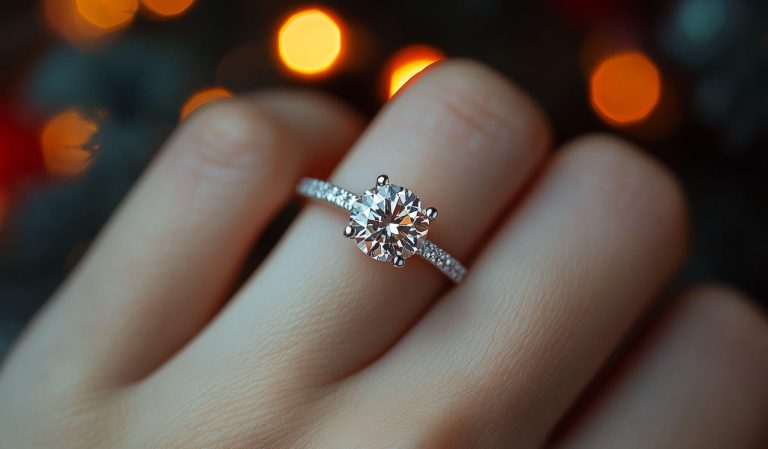
The share of couples choosing laboratory-grown diamond engagement rings climbed to 61% in 2025, up from 52% in 2024. That’s a remarkable shift in a single year, and it lands squarely in the bridal category, which drives more revenue for most independent jewelers than anything else.
What Lab-Grown Diamonds Do to Pricing
The price compression in lab-grown stones has been severe. Lab-grown diamond prices have fallen to roughly 90% below natural diamond equivalents, with a one-carat lab-grown stone retailing for around $300 to $500 versus $4,000 to $6,000 for a natural stone. For Arizona retailers who built their margins around natural diamond bridal sales, that gap creates real pressure to adapt.
Some have responded by leaning into lab-grown as a volume play. Others have doubled down on natural stones, positioning them as distinct, investment-oriented purchases for buyers who care about rarity and long-term value. The most successful shops in the Scottsdale market appear to be doing both, maintaining separate inventory tracks for each customer type rather than forcing a single narrative.
Natural Diamonds Are Not Going Away
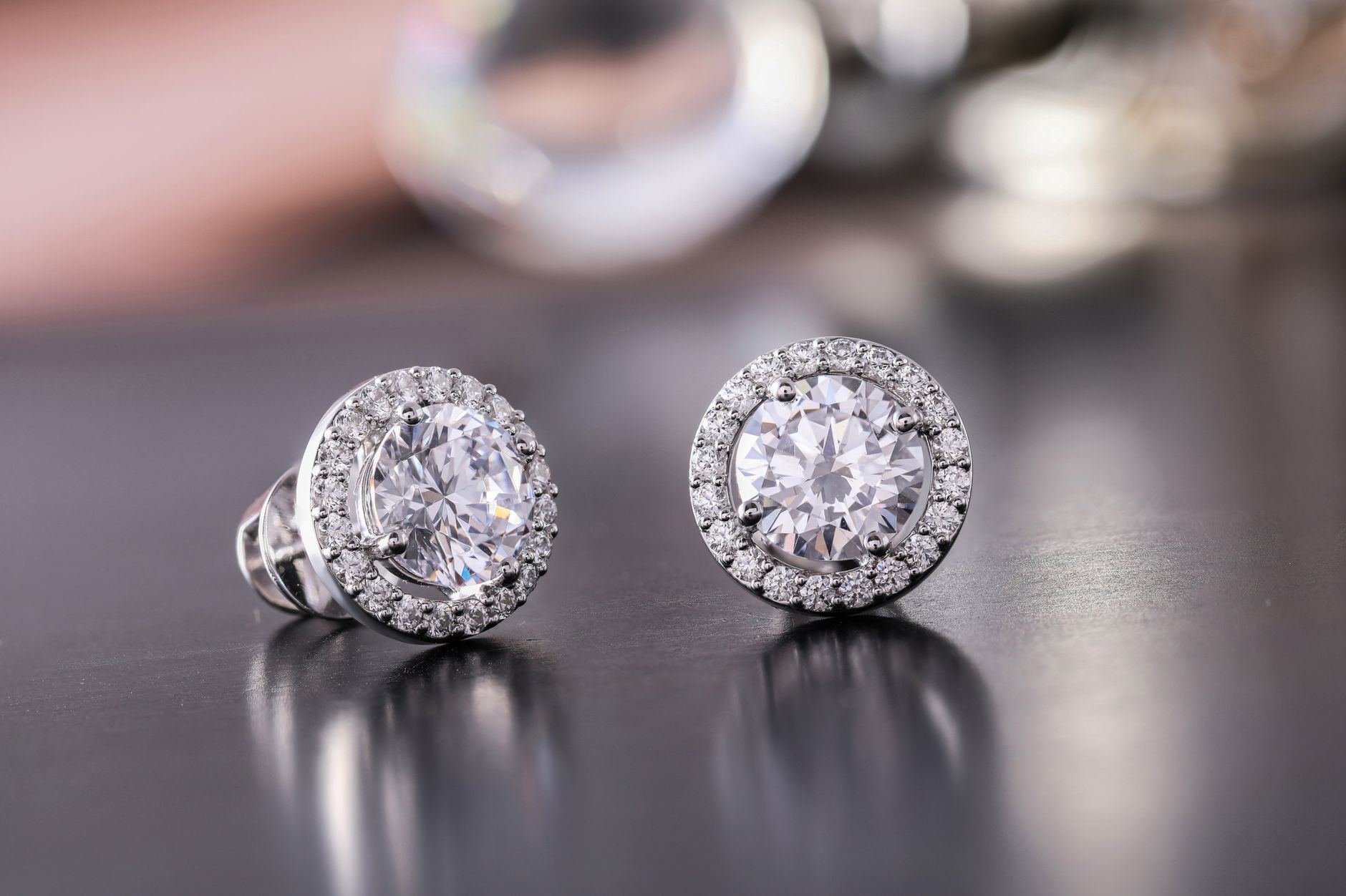
Natural diamond jewelry still accounts for the largest revenue share. Mined stones continue to dominate premium and heirloom categories because many consumers connect them with rarity and long-term value retention, and high-net-worth buyers still prefer certified mined diamonds for bridal and investment-oriented purchases. In a market like Scottsdale, where the buyer skews affluent and older, that preference holds. And it’s shifting upscale: many buyers who do purchase mined diamonds are opting for higher quality and larger stones, consistent with a clear consumer trend toward premium goods observed in 2024.
Supply Chain Pressures and Pricing Volatility
Arizona retailers, like their counterparts nationally, are navigating a supply chain that has grown more complicated. The RapNet Diamond Index for 1-carat round stones kept climbing into spring 2025, with Rapaport reporting a 1.4% increase in March 2025, driven by low inventories and strong demand at trade fairs. Low wholesale inventory means local buyers at the Phoenix Centurion show are competing harder for the same goods.
Tariff uncertainty has added another layer of difficulty. In April 2025, amid U.S. tariff announcements, diamond prices spiked then stabilized, with the 1-carat index rising about 0.7% and U.S. wholesalers becoming active buyers of specific goods, causing shortages in certain categories. For Arizona jewelers who place large orders at the winter trade shows, that kind of volatility makes inventory planning genuinely difficult.
National retail consolidation is touching Arizona directly, too. Brinker’s Jewelers, based in Indiana, acquired Scottsdale Fine Jewelers in April 2025 to expand its footprint. A sign that outside buyers see real value here even as independent operators face margin pressure.
Consumer Awareness and the Transparency Imperative
One of the most significant shifts in the Arizona diamond market is happening at the information level. Buyers walk into stores already knowing more than they did five years ago. A May 2025 Plumb Club survey found that 84% of U.S. jewelry buyers are aware of lab-grown options, up sharply from previous years. That awareness changes the entire retail conversation. A buyer who already understands the difference between CVD and natural stones, has looked up Rapaport pricing on their phone, and knows what GIA certification means is not the same customer as one who once trusted the jeweler’s word without question.
Arizona retailers who have responded by increasing transparency, offering side-by-side comparisons, and explaining certification clearly are finding it builds rather than erodes trust. Educated buyers tend to spend more confidently. And in a market like Scottsdale, confident spending often means trading up.
Where Arizona’s Diamond Market Goes Next
The Arizona diamond market is not moving in a single direction. It’s splitting. Younger buyers, often transplants from California or the Pacific Northwest, are drawn to lab-grown stones, custom settings, and direct-to-consumer brands. Older, established Scottsdale residents continue to anchor the natural diamond and estate jewelry segment. Both groups are growing, and both represent real revenue. The retailers who understand which customer is walking through the door, and who have built the inventory and expertise to serve both, are the ones positioned to grow through the current disruption.
Conclusion
Arizona’s diamond market reflects the national picture in compressed form: a wealthy, older core buyer sustaining demand for natural stones, a younger and more price-aware segment accelerating the lab-grown shift, and a trade show infrastructure that keeps the state connected to the broader industry’s pulse. The businesses thriving here are not waiting for the market to stabilize. They are building the flexibility to move with it.