Key Highlights
- Festival hire covers more than a marquee. It includes event infrastructure, staging, fencing, furniture, and key event equipment.
- Outdoor sites need practical spaces for guests, staff, artists, catering, and medical support.
- Good event hire planning helps major events and corporate events run smoothly.
- Packages often include delivery, setup, and pack down around your site schedule.
- Options can be shaped around site size, service space, and budget.
- Early booking gives you better equipment access and smoother planning.
Introduction
Festival hire can make or break an outdoor event. If you are planning a concert, community day, or one of many corporate events, you need more than tents and tables. You need event hire backed by practical event infrastructure, smart planning, and a clear setup schedule. This guide explains what is usually hired, what is included, and how to choose well.
Understanding Festival Hire in Australia
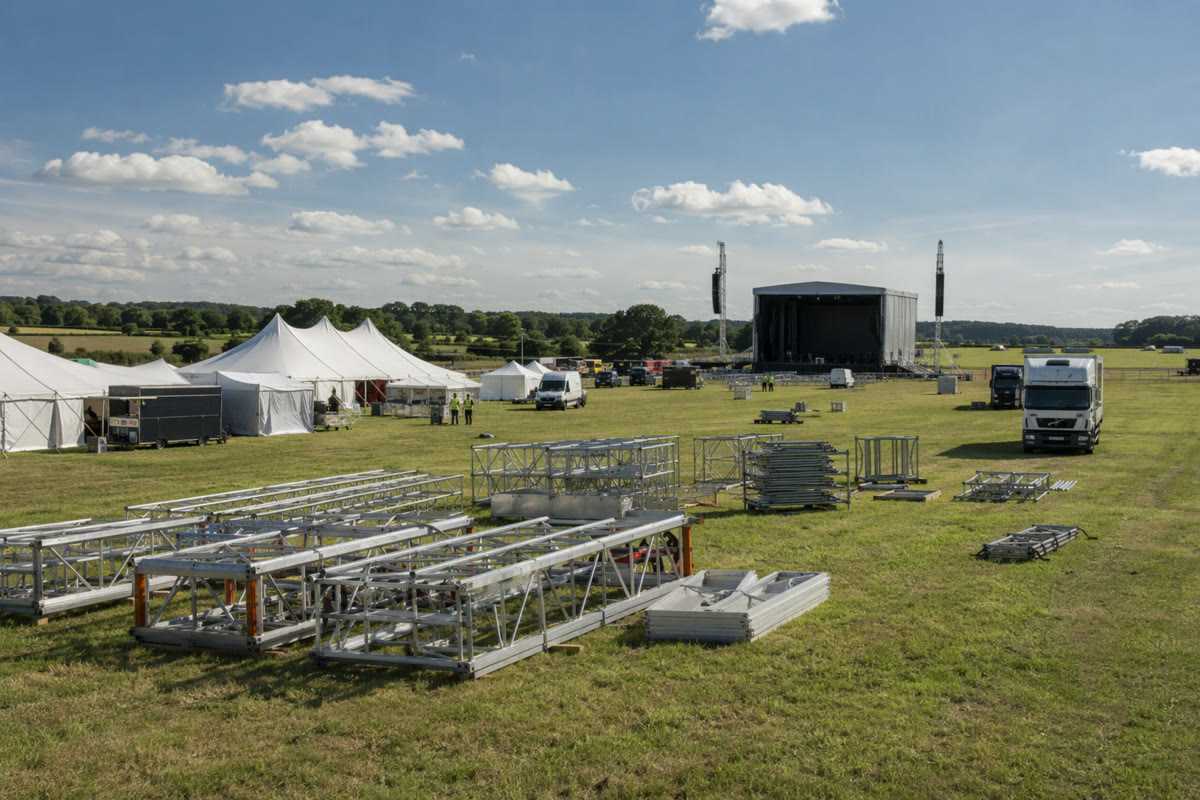
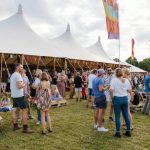
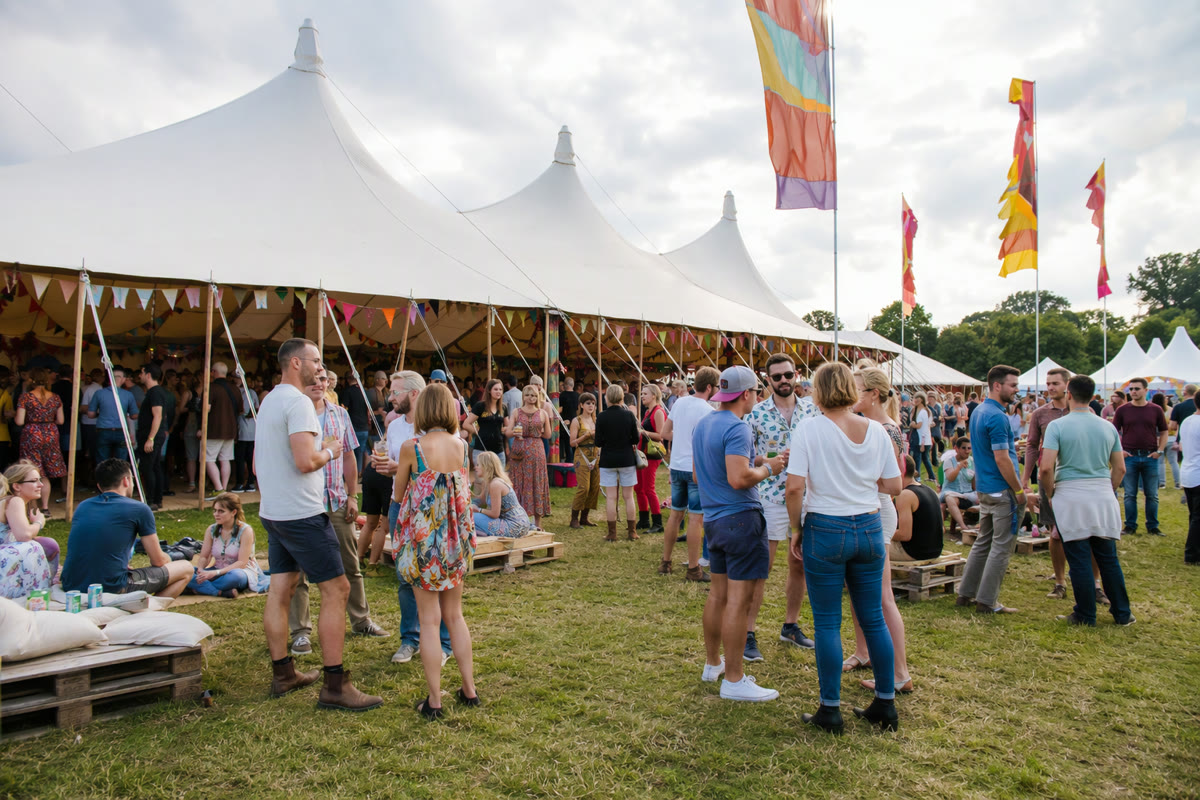
Across Australia, festival hire supports major events with the structures and spaces needed to keep a site working. It is not just about guest areas. It also covers backstage, catering, medical, bars, and entry points.
Think of it as a full-service space plan for your site, whether it is a regional paddock, a coastal site or a city venue. Next, it helps to look at the equipment most organisers actually hire.
Essential Equipment for Outdoor Events
Most outdoor events need a mix of structures and support items for guests, staff and artists. The main feature might be a stage or marquee, but smaller pieces matter just as much when crowds, staff and artists all need different areas.
Common event equipment includes:
- Medical tents and staff marquees
- Merchandise areas and bar structures
- Backstage items such as clothes racks and mirrors
- VIP furniture and entry structures
That mix makes site movement easier for crews and guests. A great company will explain what is included so you only pay for what your event needs.
Types of Marquees for Festivals
Not all marquees serve the same purpose. Different types are used across a site, based on who uses the space and what needs to happen inside. Good planning ensures the right marquee for each function.
Common marquee types include:
| Marquee type | Purpose |
|---|---|
| Backstage | Artist changing areas with mirrors and racks |
| Catering | Staff food prep and service support |
| Medical tent | First aid and care in heat or bad weather |
| Hospitality | VIP seating, bars, or guest hosting |
Large sites often use multiple marquee types to fit budget and manage crowd flow.
Staging Solutions for Different Event Sizes
Staging needs change with audience size, site shape, and run sheet timing. A smaller local show may need a simple platform, while bigger festivals often need staging planned alongside fencing and wider infrastructure.
Useful staging questions include:
- How many people need clear sightlines?
- Is there a speaker program or performance schedule to support?
- Will setup happen near a public holiday or tight access window?
- Do you need room for future events on the same site?
A fantastic crew will coordinate staging with the rest of the site, not treat it as a stand-alone item. That reduces pressure on event day.
What’s Included in a Festival Hire Package
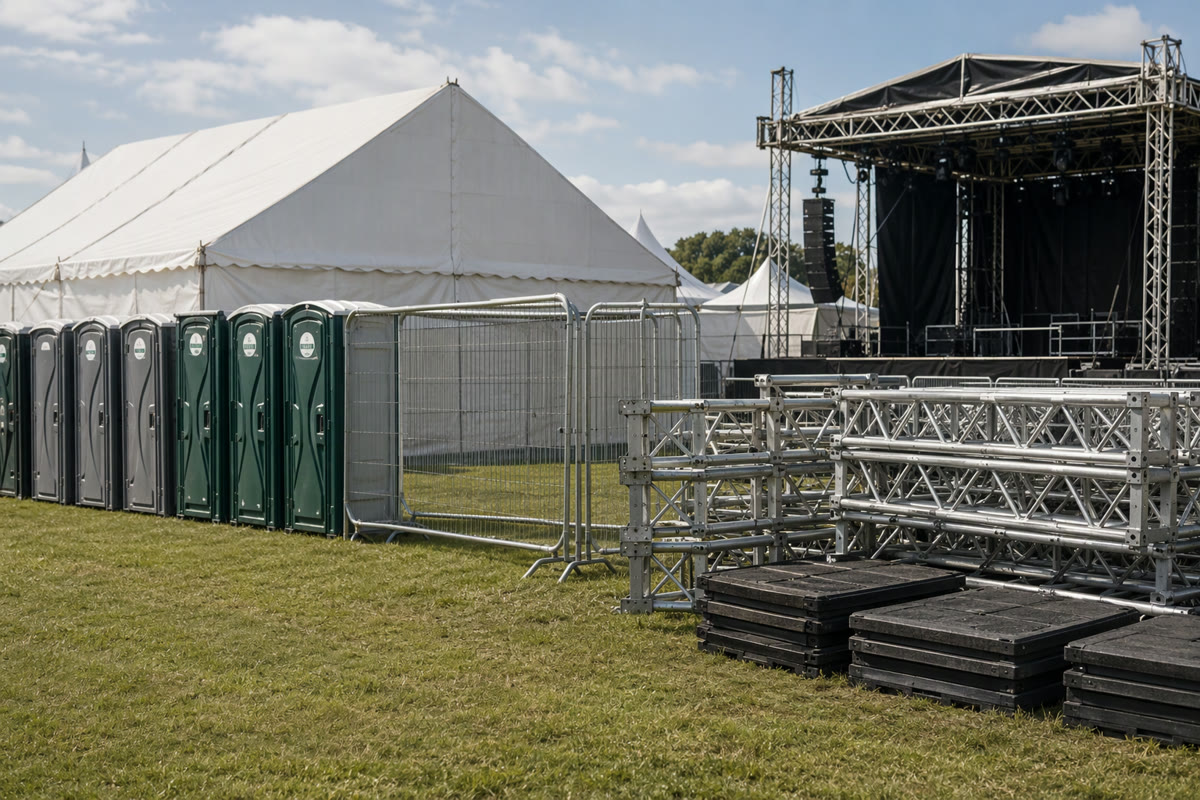
A festival hire package usually includes structures, selected equipment, delivery timing, installation and dismantling. The exact list depends on your brief, site plan, and schedule, so each specific package can vary.
Some organisers want complete sets for backstage, bars, or medical zones. Others only need a few structures. Clear communication, product quality, and excellent service are what turn first-time clients into loyal customers.
Site Infrastructure and Support Areas
Site infrastructure is the working backbone of a festival. Guests may only notice the stage or bar, but organisers know the real pressure sits in the spaces behind the scenes.
Typical site infrastructure can include:
- Entry structures and fencing
- Medical and staff areas
- Kitchen marquees and site sheds
- Hospitality and merchandise zones
This matters in extreme heat, rain, or long event days because every team needs a reliable base. Even practical details, from crew communication to backstage organisation, depend on the site being planned properly.
Delivery, Setup, and Pack Down Services
Yes, many festival hire companies help with setup and pack down. In fact, this is one of the most useful parts of the service because outdoor events often run on strict access times and shared site rules.
You should expect support such as:
- Delivery timed around bump-in and bump-out
- Setup based on the agreed service space and site plan
- Pack down that works around operational needs
That support keeps each staff member focused on their own role. It also prevents confusion when several suppliers are on site, whether the event is a concert, school fair or family function.
Flexible Options for Various Budgets
Festival hire is not one-size-fits-all. There are flexible options for different site sizes, event goals, and budget limits, which is useful if you only need certain zones built rather than the full site.
A practical way to scale costs is to adjust:
- The number of structures hired
- The type of furniture or support items included
- The timing for delivery and last-minute supplies
That means you do not need a huge spend to get a workable setup. The key is matching the hire list to what your event actually needs.
How to Choose the Right Festival Hire Company
Start with experience, clear communication, and site knowledge. A great company should ask for your brief, production contacts, site plan, and schedule before suggesting equipment. That shows they are planning around real event needs, not guessing from a price list. It also helps you avoid surprises on the day.
You should also ask what they do and do not supply. For example, confirm whether structures, furniture, fencing, delivery and pack down are all included. That simple question can save you from gaps in service later.
Frequently Asked Questions
Clients often ask about the range of event equipment available, including marquees and staging, and what is included in each package. Another common question is how wet weather affects outdoor events. Clear communication and timely delivery help keep your event on track.
How far in advance should festival hire be booked?
Book as early as you can, especially for peak-season events. Large sites need time for planning, equipment allocation, and install scheduling. That applies whether it is a concert, corporate event or community festival.
Do festival hire companies assist with equipment setup and collection?
Yes. Setup and collection are often part of the service, arranged around your site plan and timing. This helps each staff member work safely within the service space, especially when complete sets or multiple structures are being installed across one event site.
Are festival hire packages customisable for unique requirements?
Yes. A specific package can be shaped around your layout, crowd areas, and the main feature of the event. These flexible options are useful for organisers and venues planning repeat events.
Conclusion
Understanding festival hire is essential for ensuring that your event runs smoothly and successfully. From selecting the right marquees to choosing appropriate staging solutions, it’s about creating the perfect atmosphere for your audience. Remember to consider the specific needs of your event, including site infrastructure and support areas, as well as the flexibility of your budget. By carefully researching and choosing the right festival hire company, you can elevate your event to new heights. If you’re ready to start planning your next festival and want expert assistance, get in touch with Prestige Events today to explore your options!