

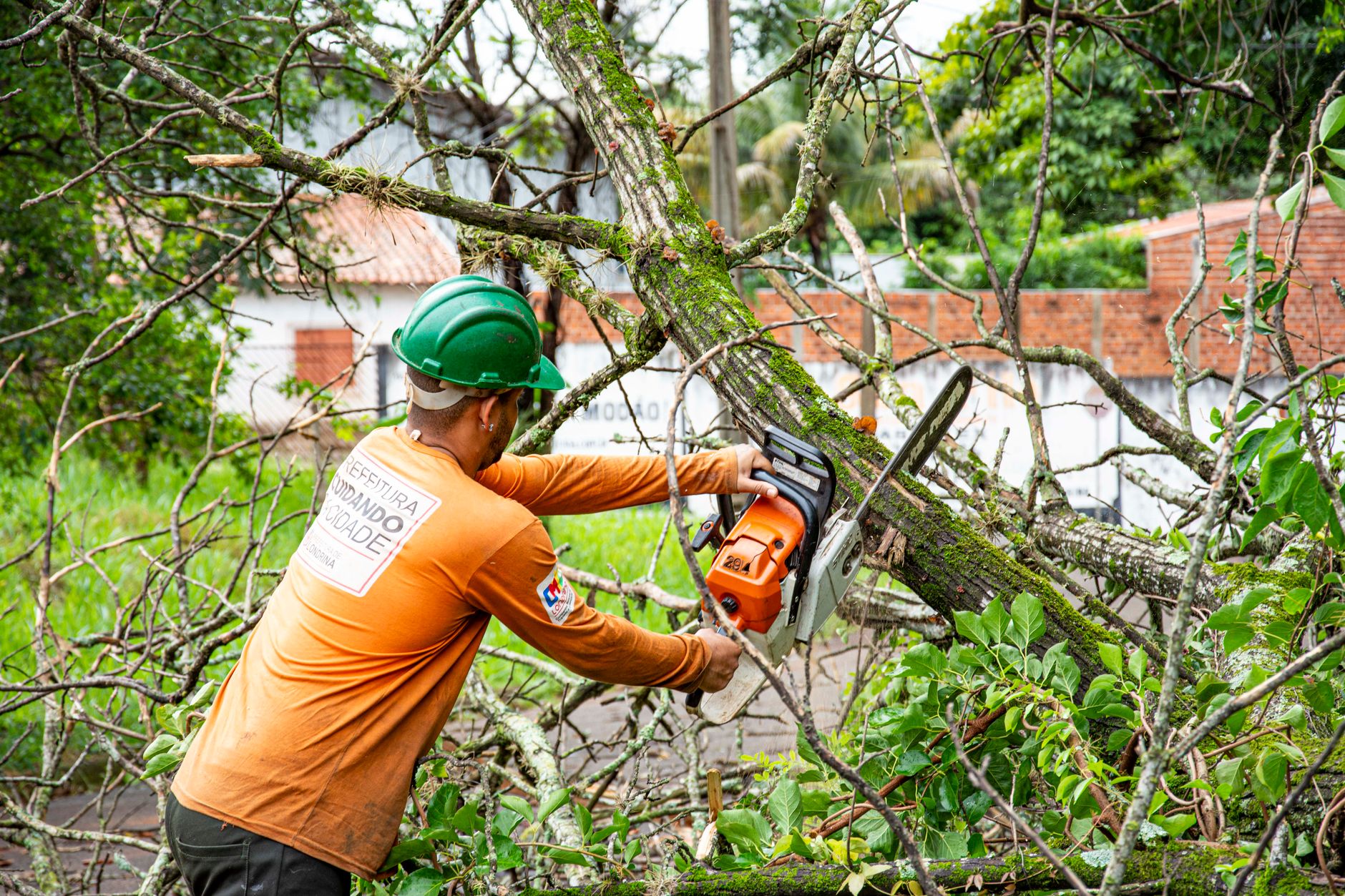
Preparing a property for construction, landscaping, agriculture, recreation, or general improvement often begins with removing unwanted vegetation and obstacles. Overgrown trees, thick brush, weeds, fallen branches, stumps, and natural debris can make otherwise useful land difficult to access and manage. When vegetation is allowed to grow without regular maintenance, it can cover important features, restrict movement, and create additional challenges for future projects. Professional land clearing services provide an organized way to address these problems using suitable equipment, trained workers, and carefully planned techniques. Rather than relying entirely on manual labor, property owners can use professional clearing methods to create more accessible and manageable spaces while preparing the property for its intended purpose.
Understanding the Importance of Proper Land Preparation
Land preparation is an important part of many property improvement projects because the condition of the ground can affect everything that follows. Construction crews need sufficient space for equipment, materials, surveying, excavation, and foundation work, while landscaping projects require clear areas for planting, grading, irrigation, and outdoor features. Overgrown vegetation can interfere with these activities and may hide obstacles that need to be addressed before work begins. Professional land clearing services can help identify and remove unwanted growth while considering the property’s layout and future use. A properly prepared site gives property owners a clearer understanding of the available space and creates a more practical foundation for subsequent improvements.
Preparing Properties for Construction
Construction projects frequently require vegetation to be removed before work can begin. Trees, brush, weeds, and fallen materials can restrict equipment access and interfere with surveying or site layout. In some cases, vegetation may also conceal uneven terrain, drainage problems, old structures, or other obstacles that need to be identified before construction starts. Professional land clearing services can prepare designated areas according to the requirements of the planned project. The clearing process can be coordinated with future excavation, grading, foundation installation, or other construction activities. Careful planning helps ensure that only the necessary areas are cleared and that important features intended to remain are properly protected.
Improving Property Accessibility
Dense vegetation can make it difficult to reach different parts of a property, particularly when brush and fallen trees have covered existing paths or access routes. Limited accessibility can make inspections, maintenance, landscaping, and equipment movement much more difficult. Clearing selected areas can create more practical routes for vehicles, workers, and property owners. Professional land clearing services can help establish access through overgrown sections while removing vegetation that creates unnecessary obstacles. Improved access also makes future property maintenance easier because owners can reach areas that were previously difficult to navigate. When planning access routes, it is important to consider terrain, drainage, width, intended use, and long-term maintenance requirements.
Controlling Unwanted Vegetation
Vegetation can become difficult to manage when brush, vines, weeds, and young trees are allowed to spread over large areas. Overgrowth can reduce visibility, hide property features, interfere with fences, and make outdoor spaces appear neglected. Regular vegetation management can prevent these problems from becoming increasingly difficult and expensive to address. Professional land clearing services can handle different types of unwanted growth using equipment selected according to the property’s condition. Selective clearing can also allow desirable trees and plants to remain while unwanted vegetation is reduced. This approach gives property owners greater control over how their land is maintained without necessarily removing every natural feature from the property.
Removing Fallen Trees and Debris
Storms, strong winds, aging trees, disease, and natural decay can leave branches, logs, and other debris across a property. Fallen trees can block access roads, trails, drainage areas, and open spaces while creating obstacles for people and equipment. Accumulated debris can also make an overgrown property more difficult to inspect and maintain. Professional land clearing services can help remove or process fallen vegetation as part of a larger property preparation project. Depending on the material and project requirements, branches and other organic debris may be chipped, mulched, transported, or otherwise managed appropriately. Removing these obstacles can improve access and create a cleaner environment for future property improvements.
Creating Space for Landscaping Projects
Landscaping projects often require open and accessible areas where lawns, gardens, patios, walkways, recreational spaces, and other features can be installed. Dense vegetation may occupy areas that property owners want to redesign, making it difficult to establish a new landscape plan. Clearing selected sections can provide the space necessary for future landscaping while allowing desirable existing vegetation to remain. Professional land clearing services can help prepare these areas by removing unwanted brush, small trees, weeds, and accumulated debris. Once the property has been cleared, additional landscaping work can be planned more accurately. A thoughtful clearing strategy can help property owners create outdoor spaces that are easier to use and maintain over time.
Choosing the Right Equipment
The equipment needed for clearing depends on the size of the property, type of vegetation, terrain, access conditions, and desired result. Small areas with light vegetation may require relatively compact machinery, while large properties with dense trees and brush can require heavy-duty equipment designed for cutting, grinding, hauling, or processing vegetation. Professional land clearing services can evaluate the site and select equipment appropriate for the project’s specific conditions. Using suitable machinery can improve efficiency and reduce the amount of manual work required. Equipment must also be operated by trained professionals who understand how to work safely around structures, fences, utility systems, slopes, trees, and other potential obstacles.
Supporting Responsible Property Management
Effective land management involves more than removing vegetation as quickly as possible. Property owners often need to balance their improvement goals with the preservation of desirable trees, natural features, drainage areas, and environmentally sensitive sections. Removing too much vegetation from certain areas can contribute to soil exposure, drainage changes, or erosion concerns. Professional land clearing services can incorporate these considerations into the planning process by identifying areas that may require selective treatment or additional protection. Property owners should communicate their goals clearly before work begins so that the clearing team understands which areas should be preserved. Responsible planning can help create a better balance between property improvement and long-term land management.
Reducing the Need for Manual Labor
Clearing a large property by hand can be extremely time-consuming, particularly when dense brush, trees, and heavy debris are involved. Manual cutting and removal may require numerous workers and multiple stages of handling before the land is actually usable. Professional equipment can process large amounts of vegetation more efficiently, allowing projects to progress without relying entirely on physical labor. Professional land clearing services combine trained workers with specialized machinery to improve productivity while maintaining appropriate safety practices. This can be particularly useful for property owners who need large areas prepared within a specific project schedule. Reducing unnecessary manual labor can also allow workers to focus on tasks that require greater precision and decision-making.
Improving Visibility and Property Appearance
Overgrown vegetation can hide fences, pathways, landscaping features, structures, and portions of the property that owners may want to see or maintain. Thick brush can also make an otherwise attractive property look neglected. Selective clearing can improve visibility and create a more organized appearance without completely removing natural vegetation. Professional land clearing services can help reveal desirable features by reducing unwanted growth from strategic areas. Better visibility can also make it easier to identify maintenance issues such as damaged fencing, fallen trees, drainage problems, or other property concerns. Once unnecessary vegetation is removed, owners can make more informed decisions about landscaping, construction, and future maintenance.
Preparing Access Roads and Trails
Access roads and trails are valuable for property owners who need to move vehicles, equipment, or people through larger areas. However, vegetation can quickly grow along these routes and reduce their usable width. Fallen branches and trees can create additional obstacles and may make established paths difficult to navigate. Professional land clearing services can remove unwanted growth along designated routes and help restore access to areas that have become overgrown. Proper route planning should account for drainage, soil conditions, slope, expected traffic, and long-term maintenance. Creating well-planned access routes can improve the functionality of a property while making future inspections and maintenance more convenient.
Managing Debris After Clearing
Vegetation removal can generate significant amounts of organic material, including branches, logs, brush, leaves, and other debris. If this material is left unmanaged, it can create new obstacles across areas that have just been cleared. An organized debris-management plan is therefore an important part of successful property preparation. Professional land clearing services can determine how cleared vegetation should be handled based on the property’s needs and the type of material produced. Some material may be suitable for chipping or mulching, while other debris may need to be transported away from the property. Managing debris as the clearing progresses helps maintain an organized work area and makes it easier to prepare the site for its next phase.
Protecting Valuable Trees and Property Features
Property owners may want to remove unwanted vegetation while preserving mature trees, landscaping elements, fences, structures, or other features. A clearing project should identify these areas before machinery begins operating. Marking protected trees and features can help workers understand which areas require special attention. Professional land clearing services can support selective clearing strategies designed to remove unwanted growth without unnecessarily disturbing desirable elements. Clear communication is important because the property owner and clearing team should have the same understanding of the project’s boundaries and objectives. Careful protection of valuable features can help preserve the property’s character while still providing the open space required for future improvements.
Planning for Long-Term Maintenance
Clearing a property once does not necessarily prevent vegetation from returning. Brush, weeds, vines, and young trees can grow back over time, particularly when open areas receive regular moisture and sunlight. For this reason, property owners should consider long-term maintenance when planning an initial clearing project. Professional land clearing services can be incorporated into a broader vegetation-management strategy when periodic clearing is needed. Routine mowing, selective cutting, trail maintenance, and other property-care practices may also be useful between larger clearing projects. Establishing a maintenance plan can prevent vegetation from becoming excessively dense again and may reduce the amount of work required during future clearing.
Selecting a Reliable Service Provider
Choosing an experienced clearing company is an important step in ensuring that the project is handled properly. Property owners should consider the provider’s equipment, experience, safety procedures, project planning, debris-management methods, and ability to work with the specific conditions found on the property. A reliable company should be willing to discuss the project in detail before work begins and explain what the clearing process will involve. Professional land clearing services should be tailored to the property’s size, vegetation, terrain, and intended use rather than applying the same method to every project. Clear communication about the scope of work can help reduce misunderstandings and make the entire process easier to manage.
Supporting Future Property Improvements
The benefits of clearing often extend beyond the immediate removal of vegetation. Once land becomes accessible and organized, property owners may discover new opportunities for construction, landscaping, recreation, agriculture, storage, or other improvements. A clear site makes it easier to evaluate the property’s layout and determine how different areas can be used. Professional land clearing services can provide the initial preparation necessary for these future plans while helping reduce obstacles that might otherwise interfere with development. The clearing strategy should always consider the property’s intended future use so that unnecessary vegetation removal and additional work can be avoided. Thoughtful preparation can make future improvements more efficient and provide greater flexibility for property owners.
Conclusion
Professional land clearing can make a significant difference when property owners need to prepare overgrown or undeveloped land for construction, landscaping, access improvements, recreation, or long-term management. Dense vegetation, fallen trees, brush, weeds, and accumulated debris can restrict access and make future projects more complicated when they are not properly addressed. Professional land clearing services provide an organized solution by combining suitable equipment, trained workers, careful planning, and effective debris management. By protecting desirable features, considering environmental conditions, improving accessibility, and planning for future maintenance, property owners can create cleaner and more functional spaces. A well-managed clearing project does more than remove unwanted vegetation; it establishes a practical foundation for future property improvements and helps owners make better use of the land they already have.
Tab 2
Why Quality Attic Insulation Is Essential for Improving Energy Efficiency, Indoor Comfort, and Overall Home Performance
A comfortable and energy-efficient home depends on several important factors, including the condition of the roof, walls, windows, doors, ventilation system, and insulation. Among these components, the attic deserves particular attention because it can have a major influence on how easily heat moves in and out of the living space. During warm periods, heat can build up in the upper part of a home and transfer downward, while during colder periods, heated indoor air can escape upward through an inadequately insulated ceiling. Quality attic insulation creates a thermal barrier that slows this movement and helps maintain more stable indoor temperatures. When properly selected and installed, insulation can improve comfort, support energy efficiency, and contribute to better overall building performance for many years.
Understanding the Role of Attic Insulation
The attic is one of the most important areas of a home when it comes to controlling heat transfer. Because warm air naturally rises, the upper portion of a building can experience significant temperature differences compared with occupied rooms. Without an effective thermal barrier, these differences can affect the comfort of the entire home and increase the workload placed on heating and cooling equipment. Quality attic insulation helps reduce the rate at which heat passes through the ceiling between the living area and attic. The result can be a more consistent indoor environment and less unnecessary energy loss. Insulation works best when it is properly installed and combined with appropriate air sealing and ventilation.
Improving Indoor Comfort
Uneven temperatures are a common concern in homes with inadequate insulation. Rooms directly beneath an attic may become especially warm during hot weather or feel colder during cooler periods because the ceiling provides insufficient resistance to heat movement. Improving the thermal barrier can help reduce these temperature fluctuations and create a more comfortable living environment. Attic insulation can support more consistent temperatures by slowing heat transfer between the conditioned areas of the home and the attic space. Although insulation is not the only factor that affects comfort, it can work together with properly balanced HVAC systems, sealed ducts, efficient windows, and weatherstripping. Addressing several areas of the building envelope can produce a more noticeable improvement than relying on a single upgrade.
Supporting Better Energy Efficiency
Energy efficiency is an important consideration for homeowners who want to reduce unnecessary heating and cooling demands. When a home loses conditioned air or allows excessive heat transfer, HVAC equipment may need to operate longer to maintain the desired indoor temperature. Proper insulation can reduce the amount of heat that moves through the ceiling, helping the home retain conditioned temperatures more effectively. Attic insulation can therefore become an important component of a broader energy-efficiency strategy. The actual improvement will depend on the home’s existing insulation level, construction, air leakage, equipment efficiency, and household habits. A professional assessment can help determine whether insulation is one of the main areas contributing to energy loss.
Reducing Heating and Cooling Workloads
Heating and cooling systems are designed to maintain indoor temperatures, but their performance can be affected by the condition of the building envelope. If heat continually enters or leaves through an inadequately insulated attic, the system may have to compensate by running more frequently or for longer periods. Improving the thermal barrier can help reduce this constant exchange of heat. Attic insulation can make it easier for a properly functioning HVAC system to maintain the desired temperature by reducing the rate of heat transfer through the ceiling. While insulation does not eliminate the need for heating or cooling, it can help create conditions in which the equipment operates more efficiently. This can support both comfort and more responsible energy use.
Choosing the Right Insulation Material
There are several insulation materials available for attic applications, and each option has different characteristics. Fiberglass, cellulose, and spray foam are among the materials commonly considered for residential insulation projects. Fiberglass can be installed in batt or blown forms, while cellulose is often installed as loose-fill material. Spray foam can provide insulation while also helping seal certain air leaks when installed appropriately. The best choice depends on factors such as the attic’s existing condition, available space, ventilation requirements, budget, desired performance, and building design. Attic insulation should not be selected solely on price because material characteristics and installation quality can have a significant effect on long-term performance.
The Importance of Proper Installation
Even the highest-quality insulation material may provide disappointing results if it is installed incorrectly. Gaps, compressed areas, uneven coverage, and insufficient thickness can create weak points where heat moves more easily through the building envelope. Proper installation requires attention to the entire attic area as well as openings around wiring, plumbing, ducts, access hatches, and other building components. Attic insulation should be distributed consistently while maintaining appropriate clearance and ventilation pathways where required. Professional installation can help reduce common problems and ensure that the selected material performs according to its intended characteristics. A careful installation process is therefore just as important as selecting an appropriate insulation product.
Combining Insulation With Air Sealing
Insulation and air sealing perform different but complementary functions. Insulation slows heat transfer, while air sealing reduces unwanted movement of air through gaps and openings in the building envelope. Attics often contain openings around electrical wiring, plumbing penetrations, ducts, vents, recessed fixtures, and access panels. If these areas are left unsealed, conditioned air can escape even when insulation is present. Attic insulation can provide better overall results when major air leaks are addressed as part of the same improvement project. Identifying and sealing appropriate openings before installing or upgrading insulation can improve the effectiveness of the thermal barrier and help create a more complete approach to energy efficiency.
Maintaining Proper Attic Ventilation
Ventilation is another important consideration when improving an attic. Proper ventilation can help manage moisture and airflow under appropriate building conditions, but insulation should not block ventilation pathways that are necessary for the attic system to function correctly. Before adding insulation, the existing ventilation arrangement should be evaluated to ensure that air can move as intended. Attic insulation should be installed in a way that maintains appropriate ventilation around designated areas while still providing sufficient thermal coverage. Poorly planned insulation can interfere with vents or airflow channels, potentially creating moisture or building-performance concerns. A professional evaluation can help identify the right balance between insulation coverage and ventilation requirements.
Protecting Against Seasonal Temperature Changes
Outdoor temperatures can vary substantially throughout the year, placing continuous demands on a home’s building envelope. In warmer conditions, the roof and attic can become extremely hot, while in colder conditions, the attic can become much cooler than the occupied rooms below. These differences can contribute to heat transfer through the ceiling when insulation is insufficient. Attic insulation provides resistance against this movement, helping separate indoor conditioned areas from the more extreme temperatures found in the attic. It does not completely stop heat transfer, but it can slow the process and make indoor temperature control easier. This can be particularly useful in homes where seasonal temperature changes create noticeable comfort problems.
Recognizing Signs of Inadequate Insulation
Homeowners may notice several warning signs that indicate the attic’s insulation requires inspection. Rooms that are consistently warmer or colder than others, unusually high heating or cooling demands, visible gaps in insulation, and uncomfortable upper-level spaces can all justify further evaluation. During an attic inspection, professionals may also find compressed material, moisture damage, missing insulation, or areas where the existing insulation has shifted. Attic insulation should be evaluated based on the home’s current condition rather than simply adding more material without determining what is already present. Understanding the cause of poor performance can help ensure that the selected improvement addresses the actual problem.
Addressing Moisture Before Insulation
Moisture can create significant concerns in attic spaces and should be addressed before installing or replacing insulation. Roof leaks, condensation, plumbing issues, and inadequate ventilation can all introduce moisture into areas where insulation is installed. Wet or damaged insulation may not perform properly and can sometimes contribute to additional building problems. Attic insulation should therefore be part of a broader attic assessment that considers the condition of the roof, ventilation system, and surrounding materials. If moisture is discovered, the source should be identified and corrected before insulation work is completed. Installing new material over an unresolved moisture problem can conceal the issue and make future inspections more difficult.
Supporting Long-Term Home Performance
Quality insulation can contribute to the long-term performance of a home’s building envelope when it is properly selected, installed, and maintained. Insulation does not require constant adjustment, but its condition should be checked when other attic work is performed or when changes in comfort and energy use become noticeable. Disturbed, compressed, contaminated, or damaged insulation may need attention to restore effective coverage. Attic insulation can continue providing thermal resistance for many years when the attic remains dry and the material is protected from unnecessary disturbance. Periodic inspections can help identify problems early and ensure that the insulation system continues supporting the home’s comfort and efficiency.
Improving Upper-Level Comfort
Upper-level rooms are often more sensitive to attic conditions because they are located directly below the roof structure. If the attic becomes extremely hot, heat can move downward and make these rooms uncomfortable. During colder weather, insufficient insulation can allow indoor heat to escape through the ceiling, contributing to colder surfaces and uneven temperatures. Attic insulation can help moderate these effects by providing an additional layer of resistance between the living space and attic environment. Homeowners experiencing persistent comfort problems should also evaluate ductwork, windows, air leakage, and HVAC performance because multiple factors can contribute to temperature differences. A comprehensive assessment can identify the most effective combination of improvements.
Considering the Existing Insulation
Not every attic requires complete insulation removal and replacement. In some situations, existing insulation may be in good condition but insufficient in quantity or coverage. Adding compatible insulation may improve the overall thermal barrier without requiring the entire existing layer to be removed. However, damaged, wet, contaminated, or severely compressed insulation may require a different approach. Attic insulation should be evaluated according to its condition, material, coverage, and compatibility with proposed improvements. A professional inspection can help determine whether adding, repairing, or replacing insulation is the most appropriate solution. This approach can prevent unnecessary work while ensuring that the attic receives the level of improvement it actually needs.
Making Insulation Part of a Complete Home Improvement Strategy
Insulation is most effective when it is considered as one component of a complete building-performance strategy. Air sealing, duct maintenance, efficient windows, properly functioning doors, ventilation, and HVAC improvements can all influence how efficiently a home uses energy. Improving one area while leaving major problems elsewhere may limit the overall benefit of the project. Attic insulation can provide an important contribution to energy efficiency when combined with improvements that address other sources of heat transfer and air leakage. Homeowners should consider evaluating the entire building envelope before deciding which upgrades to prioritize. A systematic approach can help identify the improvements that are most likely to provide meaningful comfort and efficiency benefits.
Choosing Professional Installation Services
Attic work can involve limited access, uneven surfaces, electrical components, ventilation pathways, and other conditions that require careful attention. Professional installers can evaluate the space, recommend suitable materials, prepare the area, and install insulation with appropriate coverage. They can also identify conditions that may need to be corrected before installation begins. Attic insulation installation should be completed carefully so that gaps, compressed areas, and blocked ventilation pathways are avoided. Homeowners considering professional installation should ask about the proposed material, installation method, existing insulation, air sealing, ventilation, and preparation requirements. Understanding the complete scope of work can help property owners make better decisions and avoid unexpected issues.
Conclusion
Quality insulation plays an important role in creating a more comfortable and energy-efficient home. The attic is a major area where heat can move between the living space and the exterior environment, making it an important part of the building envelope. Proper attic insulation can help reduce unwanted heat transfer, support more consistent indoor temperatures, reduce heating and cooling demands, and contribute to long-term home performance. However, insulation should be evaluated alongside air sealing, ventilation, moisture control, ductwork, windows, and HVAC performance to achieve the best overall results. Choosing an appropriate material and ensuring proper installation are essential for reliable performance. With careful planning and professional guidance when necessary, homeowners can make their attic a stronger part of an efficient, comfortable, and well-maintained home.







1 thought on “Important Benefits of Using Land Clearing Services for Construction Preparation, Vegetation Control, and Property Improvement”
Comments are closed.