

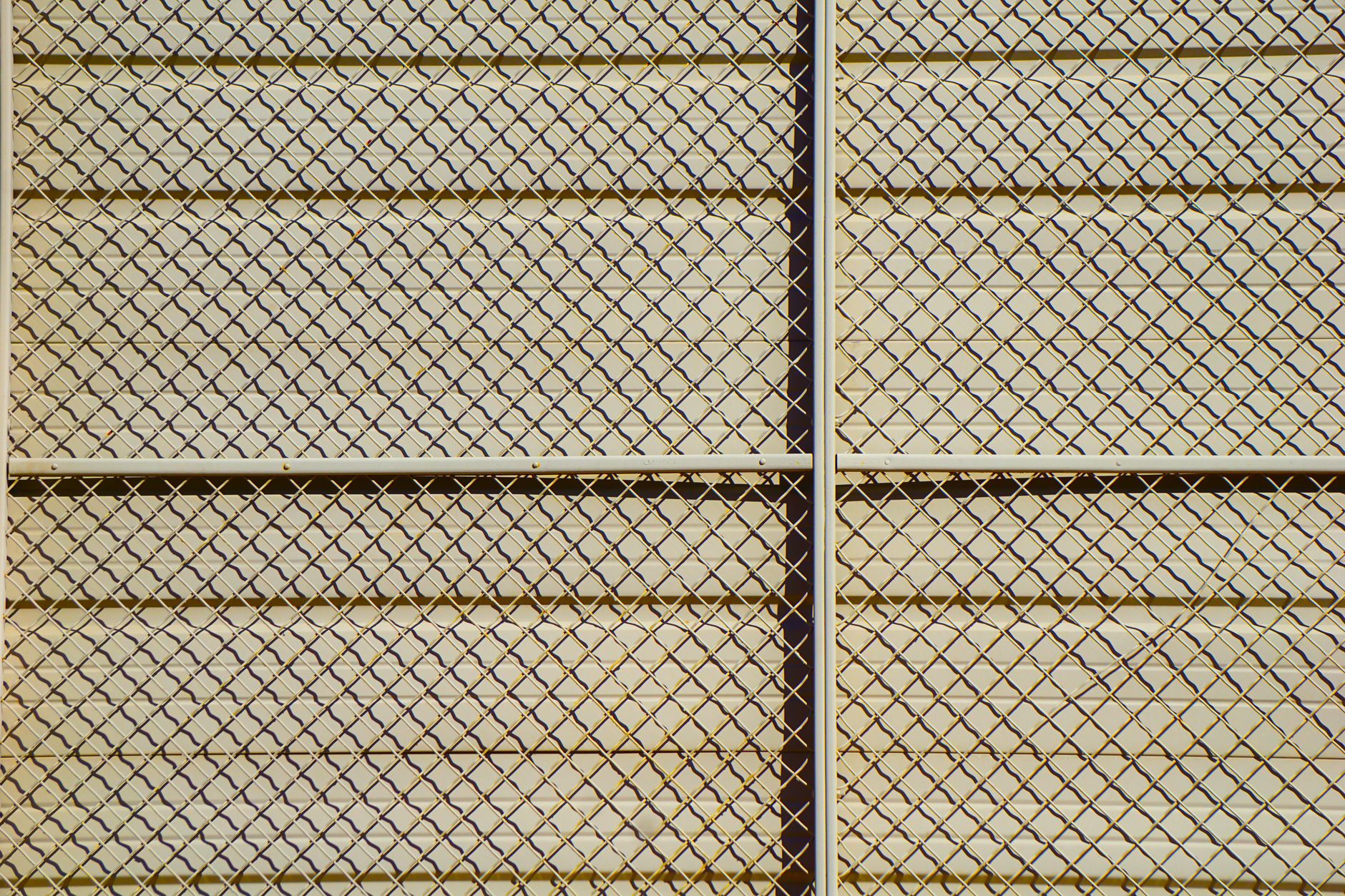
Aluminum Fence Installation Services Explained: From Property Measurements and Preparation to Professional Installation
A fence plays an important role in defining property boundaries, improving privacy, enhancing curb appeal, and creating a safer environment around residential and commercial spaces. Among the many fencing materials available today, aluminum has become a popular choice because it combines an attractive appearance with durability, relatively low maintenance, and versatile design options. When properly selected and installed, an aluminum fence can provide reliable performance for many years while complementing the architecture and landscaping of a property. However, achieving the best results requires more than simply selecting a fence style. Careful planning, accurate measurements, appropriate preparation, professional installation techniques, and regular maintenance all contribute to the success of a fencing project.
Why Aluminum Is a Popular Fencing Material
Aluminum offers several characteristics that make it suitable for a wide range of properties. Unlike some traditional metal fencing materials, aluminum is naturally resistant to rust and corrosion, which can be particularly beneficial when the fence is exposed to moisture and changing weather conditions. Its relatively lightweight construction also makes transportation and handling easier compared with heavier metal alternatives. Despite being lightweight, quality aluminum fencing can provide a strong and stable barrier when it is properly designed and supported.
Another major advantage is appearance. Aluminum fences are available in numerous styles, heights, colors, and decorative patterns, allowing property owners to choose an option that matches their preferences. Traditional ornamental designs can provide a classic appearance, while simple horizontal or vertical designs can create a more contemporary look. Because aluminum can be shaped into a variety of profiles, it can work with many different architectural styles and landscaping arrangements.
Low maintenance is another reason homeowners and property managers consider aluminum fencing. A properly finished aluminum fence generally does not require frequent painting or extensive protection against rust. Routine cleaning and occasional inspections are usually sufficient to maintain its appearance. This can make aluminum an attractive long-term option for people who want a visually appealing boundary without committing to intensive maintenance.
Planning Before Installation
Successful fencing projects begin with careful planning. Before purchasing materials, property owners should determine the purpose of the fence and identify the areas that need to be enclosed. A fence designed primarily for decorative purposes may have different height, spacing, and style requirements than one intended to improve security or contain pets. Understanding the primary objective makes it easier to select a suitable configuration.
Property boundaries should also be confirmed before installation begins. A fence installed even slightly beyond the intended boundary can create disputes or require expensive adjustments. Existing property documents, surveys, or professional boundary assessments may help clarify the correct location. It is also important to consider driveways, walkways, landscaping features, drainage areas, utility equipment, and other structures that may affect the fence layout.
Local building requirements, property regulations, or community rules may also influence the project. Depending on the property and fence design, certain permissions or restrictions may apply. Checking applicable requirements before purchasing materials can prevent delays and unexpected expenses. Proper planning ensures that the fence is installed in an appropriate location and according to relevant standards.
Choosing the Right Fence Style
Aluminum fencing comes in many styles, making it possible to customize the appearance of a property without sacrificing functionality. One of the most recognizable options is ornamental fencing, which often includes decorative posts, rails, pickets, and finials. This style can create an elegant appearance around gardens, walkways, pools, entrances, and other visible areas.
For a more modern property, a simpler design may be preferable. Clean lines, uniform spacing, and minimal decorative elements can create a contemporary appearance that complements modern architecture. The height and spacing of the pickets should also be selected according to the purpose of the fence. Narrow spacing may provide additional restriction for pets or children, while wider spacing can create a more open visual effect.
Color is another important consideration. Dark finishes are commonly chosen because they provide a strong contrast against green landscaping and can create a sophisticated appearance. However, lighter colors may be appropriate for certain architectural styles. The best choice should consider the building exterior, roof, landscaping, gates, and other visible elements so the fence becomes part of a cohesive overall design.
Measuring the Installation Area
Accurate measurements are essential because fencing materials must be ordered according to the actual layout of the property. The length of each fence section, the location of corners, changes in direction, gate openings, and the placement of end posts all need to be considered. Errors in measurement can lead to insufficient materials or unnecessary purchases.
The terrain should also be evaluated carefully. A perfectly level fence installation may be relatively straightforward, but sloped or uneven ground can require a different approach. Aluminum fence panels may need to follow the natural grade, or the layout may need to be adjusted to maintain a consistent appearance. Depending on the slope, specialized installation techniques may be required.
Gate locations should be determined during the measurement stage rather than added later. A gate requires adequate clearance for opening and closing, and the surrounding fence structure needs to provide sufficient support. Vehicle gates require additional planning because their width and swing or sliding direction must accommodate regular traffic.
Preparing the Ground
Ground preparation is a crucial part of any fencing project. Fence posts need stable support to keep the structure aligned and secure over time. Before digging, the installation area should be checked for underground utilities, drainage systems, irrigation lines, and other buried infrastructure. Accidentally damaging an underground service can create serious safety hazards and costly repairs.
The soil itself can also influence installation methods. Firm, stable soil generally provides good support for properly installed posts, while loose, sandy, rocky, or highly compacted ground may require additional preparation. Areas with significant drainage problems should be addressed before the fence is installed because standing water can affect the stability of surrounding soil and landscaping.
The installation area should be cleared of unnecessary vegetation, debris, and obstacles. Existing plants that are intended to remain should be protected where possible. Careful preparation helps create a clean working area and reduces the chance of damage to nearby landscaping or structures.
The Installation Process
Professional aluminum fence installation generally begins with marking the post locations according to the planned layout. Posts must be positioned accurately because their placement determines the alignment of the entire fence. Corners, ends, and gate posts are particularly important because they provide structural reference points for the rest of the installation.
Once the post locations have been established, appropriate holes are prepared according to the fence design and ground conditions. Posts are then positioned carefully and secured using a suitable method. Accurate vertical alignment is essential because even a small deviation can become noticeable across a long fence line. The posts must also be set at consistent depths and spacing to create a stable and professional-looking installation.
Fence panels or individual rails and pickets are then attached to the posts. During this stage, the installer checks the alignment, spacing, and height of each section. Gates require additional attention because they need to operate smoothly while remaining properly aligned with the surrounding fence. Hardware should be installed securely, and the gate should be tested several times before the project is considered complete.
Professional Installation Versus DIY Projects
Some property owners consider installing aluminum fencing themselves to reduce labor expenses. For smaller, straightforward projects with level ground and basic tools, DIY installation may be possible for people with appropriate experience. However, fencing can become more complicated when the property has slopes, difficult soil, multiple corners, large gates, or unusual layouts.
Professional installation can provide several advantages. Experienced installers understand how to measure accurately, position posts, handle uneven terrain, maintain consistent alignment, and address unexpected site conditions. They can also identify potential problems before installation begins. This can reduce the risk of expensive corrections and help ensure that the completed fence performs as intended.
The decision ultimately depends on the project's size, complexity, available tools, and the property owner's experience. For a large or technically demanding project, professional assistance may save considerable time and prevent avoidable mistakes.
Gates and Access Points
A fence is only as functional as its access points. Gates should be selected and positioned according to how the property will be used. A pedestrian gate may be sufficient for garden access or foot traffic, while a wider gate may be necessary for vehicles and equipment.
Gate hardware should be selected carefully because hinges, latches, locks, and other components experience repeated movement. The gate must have enough clearance to operate without striking nearby structures, plants, vehicles, or the ground. On sloped terrain, additional consideration may be required to ensure the gate does not drag when opened.
Security requirements may also influence gate selection. Basic latches can be suitable for decorative fencing, while properties requiring controlled access may benefit from stronger locking systems or automated gate equipment. Planning these features during the initial design can produce a more integrated and reliable result.
Maintaining an Aluminum Fence
One of the major advantages of aluminum fencing is its relatively simple maintenance requirements. Regular cleaning can remove dirt, dust, leaves, and other surface debris that may accumulate over time. In many cases, mild soap, water, and a soft brush or cloth are sufficient to clean the fence without damaging its finish.
Periodic inspections should also be performed. Property owners should look for loose fasteners, damaged sections, bent components, gate alignment problems, or movement in the posts. Addressing small issues early can prevent them from becoming larger structural problems. Vegetation should also be managed so that vines and branches do not place unnecessary pressure on the fence.
Although aluminum does not rust in the same manner as iron or untreated steel, its finish can still be damaged by impact, harsh chemicals, or improper cleaning products. Using appropriate cleaning methods and avoiding abrasive materials can help preserve the appearance of the coating.
Improving Curb Appeal
A well-designed aluminum fence can significantly enhance the visual character of a property. Because the material is available in many decorative styles, it can be used to frame gardens, define entrances, surround outdoor living areas, or create a polished boundary along the property line.
Landscaping can further improve the appearance of an aluminum fence. Flowering plants, shrubs, ornamental grasses, and carefully positioned trees can create a natural backdrop. However, plants should not be placed so close to the fence that they interfere with gates, obscure access points, or make routine maintenance difficult.
The relationship between fence height and surrounding features should also be considered. A fence that is too tall for a small garden may dominate the space, while a fence that is too short may fail to provide the desired sense of separation. Proportion is therefore an important part of good fence design.
Common Mistakes to Avoid
One of the most common mistakes is failing to measure the property accurately. Small measurement errors can affect the number of panels and posts required and may cause difficulties when reaching corners or installing gates. Taking detailed measurements and creating a layout before purchasing materials can prevent many of these problems.
Another mistake is overlooking the terrain. A fence designed for flat ground may not perform or appear as expected on a steep slope. The layout should account for changes in elevation from the beginning so that panels and posts can be installed correctly.
Choosing materials based only on initial price can also create problems. Very inexpensive fencing may not provide the desired durability, finish, or structural performance. Comparing material quality, construction, finish, warranty, and installation requirements can help property owners make a more informed decision.
Finally, some property owners underestimate the importance of gate hardware. A high-quality fence with poorly selected hinges or latches can become frustrating to use. Gates should be treated as an important part of the overall system rather than an afterthought.
Long-Term Benefits of Aluminum Fencing
When properly selected and installed, aluminum fencing can offer a combination of appearance, durability, and convenience that makes it suitable for many applications. Its resistance to rust, lightweight construction, variety of styles, and relatively low maintenance requirements make it a practical option for property owners who want a durable boundary without extensive upkeep.
Another benefit is versatility. Aluminum fencing can be used around gardens, swimming pools, pathways, yards, entrances, commercial spaces, and other areas where an attractive boundary is desired. It can provide definition without creating the visually heavy appearance associated with some solid fencing materials.
The long-term value of the fence depends heavily on installation quality. Properly positioned posts, secure connections, suitable hardware, appropriate spacing, and careful consideration of drainage and terrain all contribute to performance. This is why professional aluminum fence installation can be a worthwhile investment when a project requires precision, specialized tools, or complex site preparation.
Making an Informed Investment
Before purchasing a fence, property owners should consider more than the initial material cost. The total project budget may include posts, panels, gates, hardware, ground preparation, labor, tools, and future maintenance. Comparing these factors provides a more accurate understanding of the overall investment.
It is also useful to think about future needs. A property may eventually require additional gates, landscaping changes, upgraded access controls, or modifications to accommodate vehicles and equipment. Designing the fence with potential future requirements in mind can make later changes easier.
A quality aluminum fence installation should be viewed as a long-term property improvement rather than a temporary installation. Choosing durable materials and appropriate designs from the beginning can reduce replacement costs and provide consistent performance over many years.
Conclusion
Aluminum fencing offers an attractive and practical way to define property boundaries, improve curb appeal, enhance security, and organize outdoor spaces. Its resistance to corrosion, variety of design options, lightweight construction, and relatively low maintenance requirements make it an appealing choice for many property owners. However, the quality of the final result depends heavily on careful planning and proper installation.
From confirming property boundaries and selecting an appropriate style to measuring the site, preparing the ground, positioning posts, installing panels, and setting up gates, every stage plays an important role. Regular cleaning and inspections can then help preserve the fence's appearance and functionality over time. By avoiding common installation mistakes and selecting quality materials and hardware, property owners can create a fence that provides lasting value and complements the surrounding environment.
Whether the goal is to create an elegant garden boundary, improve the appearance of an entrance, provide a secure enclosure, or establish a clearly defined property line, aluminum fencing can offer a strong combination of style and practicality. With thoughtful design, professional workmanship when needed, and consistent basic maintenance, an aluminum fence can remain a dependable and attractive feature of a property for many years.







2 thoughts on “Aluminum Fence Installation Services Explained: From Property Measurem”
Comments are closed.