

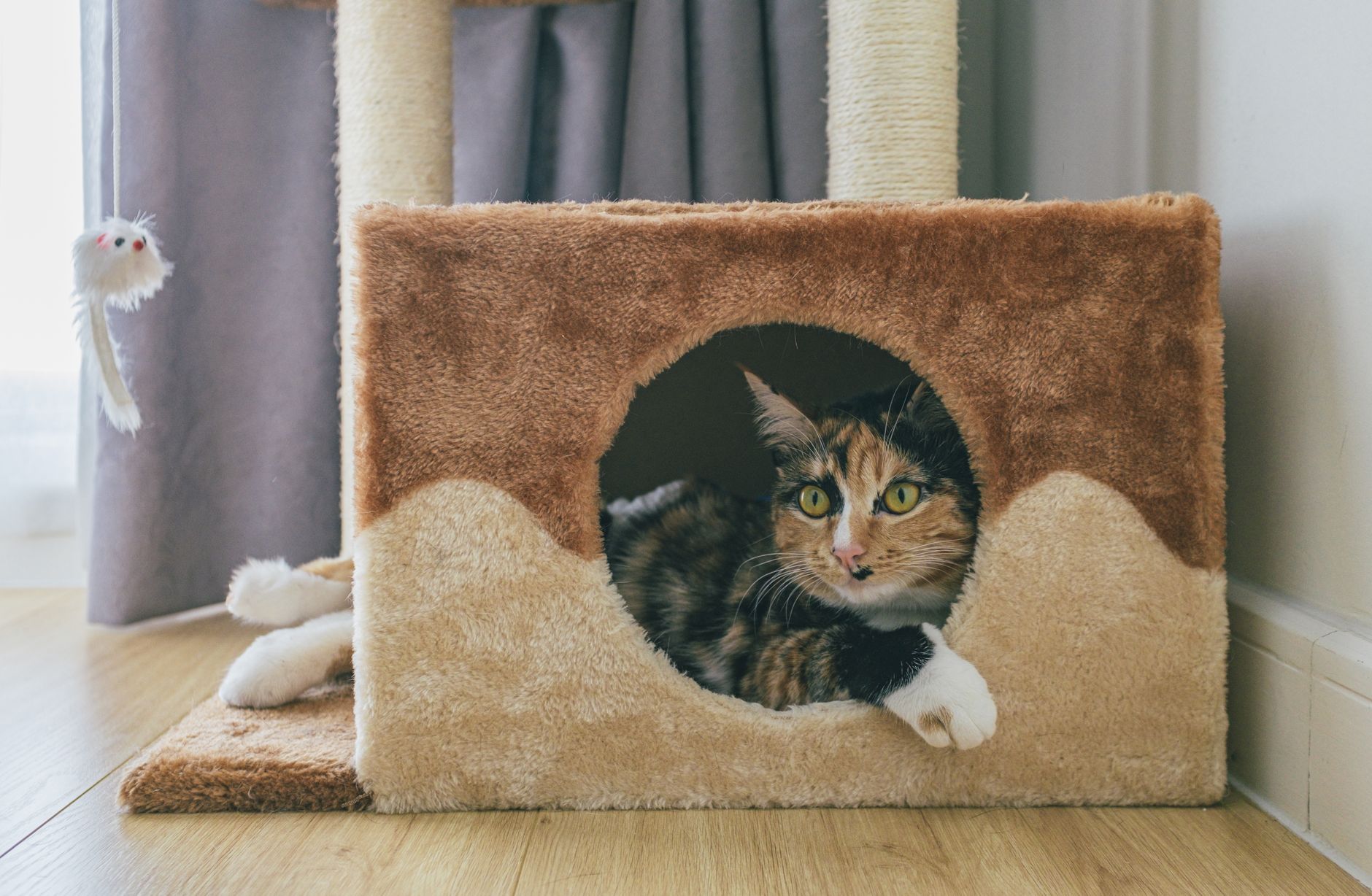
Pets are an important part of many households, and providing them with a safe, comfortable environment is one of the most responsible things a pet owner can do. Dogs, cats, rabbits, birds, and other companion animals have different physical and behavioral needs, but they all benefit from having a dedicated space where they can relax, play, and feel secure. A thoughtfully designed enclosure can provide that sense of security while also giving owners greater control over their pet’s surroundings. Whether the goal is to create a temporary area for training, a permanent outdoor space, or a comfortable indoor retreat, the right design can make everyday pet care easier and more enjoyable for everyone in the household.
Modern pet owners are increasingly looking beyond basic cages or simple barriers when designing spaces for their animals. A well-planned enclosure can combine safety, comfort, accessibility, durability, and visual appeal without making the pet feel restricted. The most effective designs consider the animal’s size, behavior, exercise requirements, and natural instincts while also taking into account the available space and the owner's daily routine. When these factors are carefully balanced, an enclosure becomes more than a physical boundary. It becomes a purposeful environment where pets can spend time safely while maintaining a reasonable level of freedom and stimulation.
Understanding the Purpose of a Dedicated Pet Space
Before selecting materials or deciding on a design, it is important to understand why an enclosure is needed. Different situations call for different solutions, and a design that works well for one animal may not be appropriate for another. Some owners may need a secure area because their pets are energetic and prone to wandering, while others may want a designated space where a new animal can adjust gradually to its surroundings. An enclosure can also be useful during training, recovery from an injury, introductions between animals, or periods when a pet cannot safely have unrestricted access to the entire property.
The purpose of the enclosure should determine its size, construction, location, and features. A space intended primarily for short periods of containment may require a different setup from one designed for several hours of daily use. Similarly, an area for a small rabbit or guinea pig will have very different requirements from an outdoor space for an active dog. Understanding the intended use at the beginning helps prevent unnecessary features while ensuring that essential needs are not overlooked.
It is also important to consider the pet's personality. Some animals are calm and content to rest for extended periods, while others need more room to move, explore, and play. Highly active pets may become frustrated in cramped spaces, so their enclosure should provide enough room for natural movement and appropriate enrichment. Observing the animal's habits can provide valuable guidance when determining the best design.
Choosing the Right Size and Layout
Size is one of the most important considerations when creating a safe enclosure. An animal should have enough room to stand, turn around, lie down, stretch, and move naturally without constantly encountering barriers. For pets that spend significant amounts of time in an enclosure, additional space for play and exploration should be considered whenever possible.
The layout should also make efficient use of the available area. A well-designed enclosure does not necessarily need to occupy a large portion of a property. Strategic planning can create separate zones for sleeping, eating, playing, and toileting while maintaining a practical footprint. For example, a dog enclosure may include a sheltered resting section and a larger open area for movement. A small-animal habitat might incorporate platforms, tunnels, hiding areas, and feeding zones to create a more stimulating environment.
Accessibility matters just as much as size. Owners should be able to enter the enclosure easily for cleaning, feeding, maintenance, and interaction with the pet. Gates should be positioned conveniently, and doors should be designed to prevent accidental escapes. A space that is difficult to access may eventually become harder to maintain, which can negatively affect hygiene and the pet's comfort.
Selecting Safe and Durable Materials
The materials used in pet enclosures should be selected according to the animal and the environment. Durability is essential because pets may chew, scratch, climb, push against, or otherwise interact with the structure. Materials should be strong enough to withstand regular use while avoiding sharp edges or surfaces that could cause injury.
Metal fencing is commonly used for many outdoor applications because it can provide strength and visibility. However, the spacing between bars or mesh openings must be appropriate for the animal. A small pet may be able to squeeze through surprisingly narrow gaps, while larger animals may attempt to force their way through weak sections. The construction should therefore be evaluated from the perspective of both the animal's current size and its potential growth.
Wood can create a warm and natural appearance, but it requires proper treatment and maintenance, particularly when exposed to moisture. Any coatings or finishes should be appropriate for the intended use and should not create a health risk if the animal comes into contact with them. Plastic and composite materials may also be suitable for certain applications, especially where lightweight construction or easy cleaning is important.
Regardless of the material selected, every component should be inspected for potential hazards. Exposed fasteners, rough surfaces, unstable panels, and damaged sections can create unnecessary risks. Regular inspections can help identify problems before they become serious.
Providing Protection From Weather
Outdoor pet spaces require careful consideration of weather conditions. Pets need protection from excessive heat, cold, rain, wind, and direct sunlight. An enclosure that is secure but offers no shelter may not provide an adequate environment for extended use.
A covered section can provide shade and protection from precipitation, while ventilation helps prevent heat and humidity from becoming excessive. The design should allow fresh air to circulate without creating uncomfortable drafts. In warmer conditions, access to cool drinking water and shaded areas becomes especially important.
During colder weather, the enclosure should provide a comfortable resting area protected from wind and moisture. Depending on the species and climate, additional bedding or insulated shelter may be appropriate. However, owners should remember that animals have different temperature tolerances. What is comfortable for one species may be unsuitable for another, so environmental needs should always be evaluated individually.
Weather protection should also be considered when selecting flooring. Surfaces that remain wet for long periods can become uncomfortable and may contribute to hygiene problems. Proper drainage and suitable ground materials can make an outdoor enclosure easier to maintain while keeping the pet's living area cleaner.
Making Safety the Highest Priority
The primary purpose of any enclosure is to provide a controlled and secure environment, so safety should always come before appearance. Owners should consider how their pets might interact with every part of the structure. Dogs may dig beneath barriers, cats may climb over them, and small animals may chew through materials that appear secure at first glance.
The height of the enclosure should reflect the animal's ability to jump or climb. For pets that are skilled climbers, a simple vertical barrier may not be enough. Additional measures may be required to prevent escape. Ground-level security is equally important because some animals can dig underneath fences or exploit small gaps.
Locks and latches deserve particular attention. A gate that appears secure but can be pushed open by a clever pet defeats the purpose of the enclosure. Hardware should be sturdy, easy for the owner to operate, and difficult for the animal to manipulate. For households with multiple pets, it may also be useful to design entry systems that prevent one animal from escaping while another is being brought inside.
Safety should not be viewed as a one-time consideration. Enclosures experience wear and environmental exposure, and pets may gradually discover weaknesses that were not obvious when the structure was first installed. Routine inspections and maintenance are therefore essential.
Creating a Comfortable Environment
An enclosure should provide more than physical containment. Comfort plays an important role in reducing stress and encouraging positive behavior. Pets should have access to appropriate resting areas, clean water, suitable food arrangements, and comfortable surfaces.
Soft bedding can make a resting area more inviting, although the specific material should be chosen according to the pet's habits. Animals that chew or destroy bedding may require more durable alternatives. Elevated beds can be useful for some dogs, while hiding spaces may be particularly valuable for smaller animals that naturally seek shelter.
The environment should also allow pets to engage in normal behaviors. Toys, scratching surfaces, climbing structures, tunnels, chew-safe objects, and other enrichment features can help prevent boredom. The best enrichment depends on the species and individual personality. Rotating toys and activities can keep the environment interesting without requiring a complete redesign.
Comfort also includes emotional security. Pets should not be isolated unnecessarily simply because they have an enclosure. Regular interaction, attention, exercise, and socialization remain important. A dedicated space should support responsible pet care rather than replace human companionship.
Considering Indoor and Outdoor Options
Both indoor and outdoor enclosures can be useful, depending on the animal and the household. Indoor solutions are particularly helpful when owners want to create a controlled area within the home. They can provide a safe space for young pets, animals that are still being trained, or pets that need separation from certain areas of the house.
Outdoor designs can offer greater room for exercise and exposure to fresh air. However, they require more extensive planning because environmental conditions, predators, escape risks, and weather must all be considered. Outdoor areas should never be assumed to be safe simply because they are surrounded by a fence.
For many households, a combination of indoor and outdoor spaces can provide the greatest flexibility. A pet may have a comfortable indoor retreat for rest and an outdoor area for supervised exercise and play. This arrangement allows owners to adapt the pet's environment according to weather, routine, and activity level.
Improving Hygiene and Maintenance
Cleanliness is a critical part of responsible enclosure design. A space that is difficult to clean may quickly develop odors, stains, bacteria, or other hygiene concerns. Materials and surfaces should therefore be selected with maintenance in mind.
Easy-to-clean flooring can make a major difference, particularly for pets that spend substantial amounts of time in the enclosure. Removable bedding, washable mats, and accessible feeding areas can simplify routine cleaning. Drainage is particularly important for outdoor areas because standing water can create unpleasant and unsanitary conditions.
Owners should establish a regular cleaning routine rather than waiting until the enclosure appears dirty. Food containers should be cleaned regularly, waste should be removed promptly, and bedding should be washed or replaced according to the pet's needs. The enclosure itself should also be checked for damaged surfaces or areas where dirt tends to accumulate.
A practical design can reduce the amount of time required for maintenance. Doors wide enough to allow easy access, removable components, and smooth surfaces can all contribute to a cleaner and healthier environment.
Adding Enrichment and Exercise Features
Physical activity is essential for many pets, particularly energetic dogs and animals with strong natural movement behaviors. An enclosure can be designed to encourage exercise rather than simply provide a place to remain stationary.
For dogs, this might involve open running space, climbing-safe structures, interactive toys, or designated areas for play. Smaller animals may benefit from tunnels, platforms, hiding spaces, or other species-appropriate structures. Cats can benefit from vertical elements, scratching posts, perches, and opportunities to climb.
Mental stimulation is equally important. An environment that remains exactly the same every day may eventually become boring. Rotating toys, introducing new safe objects, and changing enrichment activities can provide variety. However, every addition should be evaluated for safety before being introduced.
Enrichment should never overcrowd the enclosure. There needs to be a balance between activity areas and open space. The animal should still have room to move freely, rest comfortably, and access food and water without obstacles.
Balancing Appearance With Function
Many homeowners want their pet's enclosure to complement the surrounding property rather than appear like an afterthought. Fortunately, functionality and appearance do not have to conflict. Modern designs can incorporate attractive materials, coordinated colors, landscaping, and thoughtful architectural details while maintaining strong safety standards.
The visual design should, however, remain secondary to the pet's needs. A beautiful enclosure that is too small, poorly ventilated, difficult to clean, or unsafe is not a successful design. A more useful approach is to begin with functional requirements and then incorporate aesthetic choices that support them.
Landscaping can help integrate an outdoor enclosure into its surroundings, but plants should be selected carefully. Some common ornamental plants can be harmful to animals if eaten. Any vegetation placed within or near a pet's accessible area should therefore be evaluated for safety.
Planning for Growth and Changing Needs
A pet's needs can change over time. Puppies and kittens grow, older animals may become less mobile, and household routines can change. A design that works perfectly at one stage may become less suitable later.
Planning for future needs can make an enclosure more useful over its lifespan. Adjustable features, modular panels, removable dividers, and flexible layouts can make it easier to adapt the space. Owners should also consider how mobility may change as a pet ages. An older animal may need easier access, softer resting surfaces, and fewer obstacles.
Thinking ahead can prevent owners from having to replace the entire structure when circumstances change. A flexible design can evolve with the pet rather than becoming obsolete after a short period.
Avoiding Common Design Mistakes
One of the most common mistakes is choosing an enclosure based solely on appearance or price. A low-cost option may not provide sufficient durability, while an attractive structure may lack important safety features. Evaluating quality, construction, size, maintenance requirements, and suitability for the specific animal is more important than focusing on a single factor.
Another mistake is underestimating the animal's ability to escape. Pets can be surprisingly resourceful, and weaknesses that seem insignificant to humans may become obvious opportunities for animals. Owners should consider jumping, climbing, digging, chewing, squeezing, and pushing when evaluating the structure.
Overcrowding is another issue. Adding too many toys, beds, feeding stations, or decorative features can reduce usable space. Every item should serve a purpose and leave enough room for natural movement.
Finally, owners should avoid neglecting routine maintenance. Even a high-quality enclosure can become unsafe if broken components are ignored. Regular inspections, cleaning, and repairs are essential for maintaining a secure environment.
Choosing a Long-Term Solution
Investing in well-designed pet enclosures can provide significant benefits for both animals and their owners. A properly planned space can reduce escape risks, support training, simplify household management, and give pets a comfortable area where they can rest and play. The right solution depends on the animal's species, size, temperament, activity level, and daily routine, so there is no single design that works for every household.
The strongest approach is to think about the enclosure as an extension of responsible pet care. Safety should guide the construction, comfort should influence the interior, and maintenance should be considered from the beginning. Materials should be durable, access should be convenient, and the overall design should allow the pet to engage in natural behaviors without unnecessary restrictions.
A well-planned enclosure can also create peace of mind for owners. Knowing that a pet has a secure place to stay can make daily routines easier, especially when the animal cannot have unrestricted access to the home or outdoor property. At the same time, owners should remember that an enclosure is only one part of a pet's overall environment. Regular exercise, companionship, veterinary care, proper nutrition, training, and mental stimulation remain essential.
Ultimately, the goal of pet enclosures should not simply be to keep an animal contained. The goal should be to create a safe, practical, comfortable, and enriching environment that respects the animal's needs while fitting naturally into the owner's lifestyle. With thoughtful planning, appropriate materials, reliable safety features, and regular maintenance, a dedicated pet space can become a valuable part of responsible ownership. When designed with both the animal and the household in mind, it can provide security, comfort, and convenience for years while helping pets enjoy a healthier and more fulfilling daily routine.






1 thought on “Creating Safer and More Comfortable Spaces for Pets at Home”
Comments are closed.