

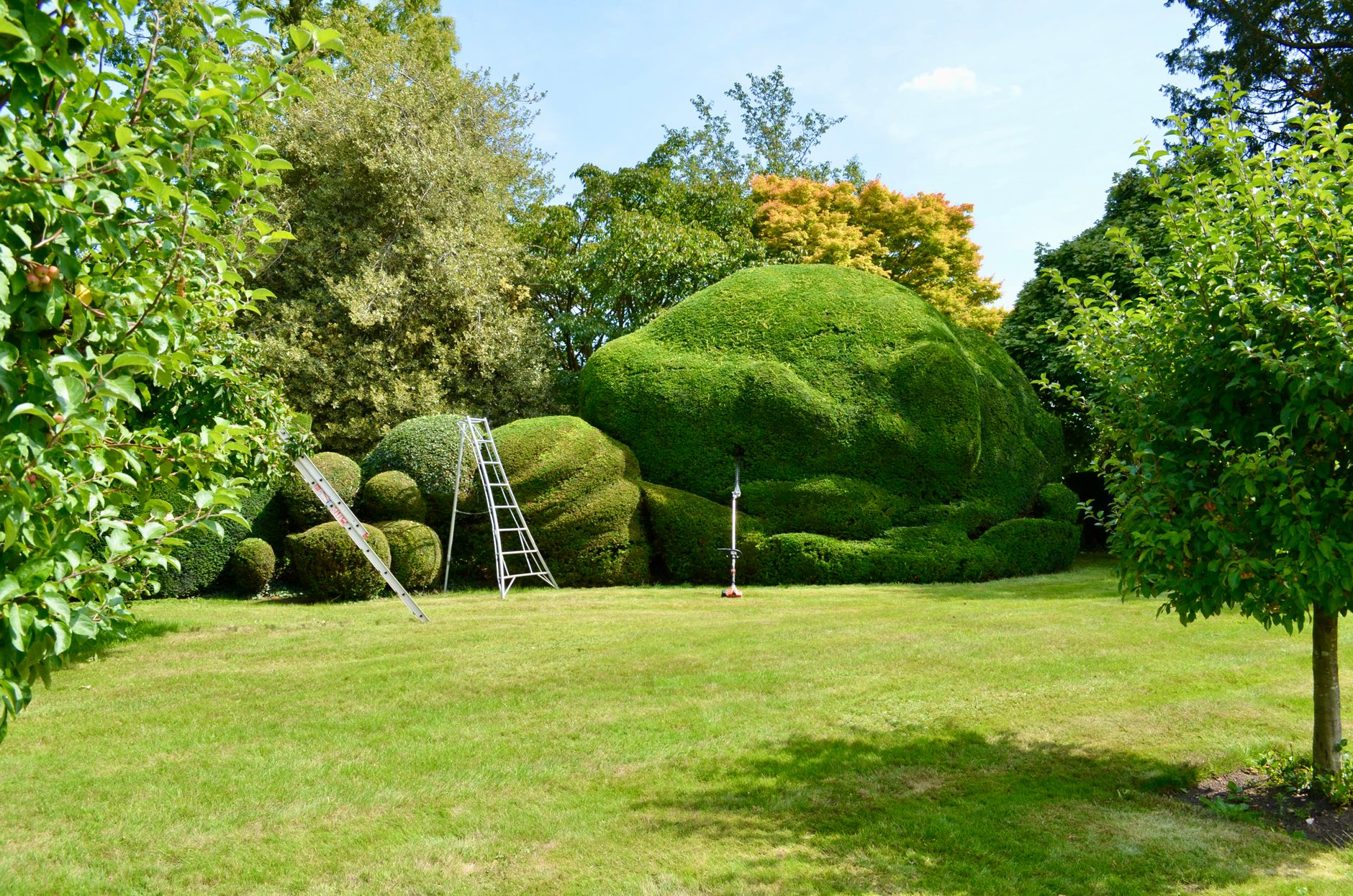
Well-maintained hedges can transform the appearance of an outdoor space by providing structure, privacy, definition, and natural beauty. Whether they surround a garden, line a walkway, frame a property boundary, or create separate areas within a landscape, healthy hedges can become one of the most noticeable features of a property. However, keeping them attractive requires more than occasionally cutting back overgrown branches. Proper maintenance involves understanding plant growth, selecting suitable tools, making precise cuts, and knowing how much foliage can safely be removed at one time. Regular hedge trimming can help encourage healthy growth while maintaining a neat and balanced appearance.
Hedges are living plants, and their appearance can change significantly throughout the growing season. New shoots may grow rapidly, branches can become uneven, and dense foliage may prevent light and air from reaching the interior of the plant. Without proper maintenance, a hedge can quickly become overgrown, misshapen, or difficult to manage. Consistent care helps prevent these issues and allows the plants to remain healthier, more manageable, and visually appealing throughout the year.
Why Healthy Hedges Matter in Landscape Design
Hedges serve several practical and aesthetic purposes. They can provide privacy by creating a natural screen between different areas, reduce the visual impact of unattractive surroundings, and establish clear boundaries around gardens or property features. A carefully maintained hedge can also guide movement through an outdoor space by visually directing attention toward entrances, pathways, patios, or focal points.
Beyond appearance, hedges can contribute to the overall character of a landscape. Their shape, density, height, and texture can complement lawns, flower beds, trees, and other plants. Formal hedges with clean lines can create a structured appearance, while naturally shaped hedges can provide a softer and more relaxed atmosphere. Maintaining the intended shape is therefore an important part of preserving the original landscape design.
Neglected hedges can have the opposite effect. Uneven growth, dead branches, excessive height, and sparse sections can make an otherwise attractive landscape appear untidy. In some cases, overgrown branches may obstruct pathways, windows, entrances, or outdoor lighting. Regular maintenance prevents these problems from becoming difficult and expensive to correct.
Understanding How Different Hedges Grow
Not all hedge plants grow in the same way. Some species produce dense foliage and respond well to frequent shaping, while others grow more slowly and require less aggressive maintenance. Understanding the growth pattern of the particular hedge is essential before beginning any cutting work.
Fast-growing varieties may require more frequent attention because new shoots can quickly alter the shape of the hedge. Slower-growing plants may need only occasional maintenance to preserve their form. Some plants respond well to significant pruning, while others may suffer if too much older wood is removed.
Growth direction also matters. If a hedge naturally becomes wider toward the top, lower sections may eventually receive less sunlight. This can result in thinning near the base. Maintaining an appropriate shape can help distribute sunlight more evenly across the plant and encourage foliage throughout the hedge.
The Importance of Regular Trimming
One of the main benefits of regular hedge trimming is that it makes maintenance more manageable. Small amounts of growth can generally be easier to control than a hedge that has been allowed to become severely overgrown. Frequent light maintenance can help preserve the desired dimensions without requiring drastic cuts.
Regular trimming can also encourage branching and denser foliage in suitable hedge species. When growing tips are selectively removed, plants may respond by producing additional shoots. Over time, this can contribute to a fuller and more uniform appearance.
Consistency is particularly important for formal hedges. A hedge that is maintained regularly is easier to keep straight, balanced, and symmetrical. Allowing one section to grow significantly faster than another can create uneven density and make it harder to restore a consistent shape.
Choosing the Right Tools
The quality of the finished hedge depends partly on using suitable tools. Hand shears can be useful for small hedges and precise shaping, while powered trimmers can make larger maintenance projects more efficient. Long-handled tools may be helpful for reaching higher sections, but they should be used carefully to maintain control.
Sharp blades are important because they produce cleaner cuts. Dull tools may crush or tear plant material instead of cutting it cleanly, potentially leaving damaged ends that are more susceptible to problems. Tools should also be kept clean and maintained properly between uses.
Safety equipment is equally important. Protective eyewear can help shield the eyes from falling debris, while gloves can protect hands from rough branches and sharp foliage. Hearing protection may be appropriate when using loud powered equipment. Anyone working at height should also use safe access equipment and avoid unstable ladders or improvised platforms.
Creating a Consistent Hedge Shape
Maintaining the shape of a hedge requires attention to both the top and sides. A common approach is to create a slightly wider base and a narrower top. This shape allows more sunlight to reach the lower foliage and can help prevent the bottom of the hedge from becoming sparse.
Straight lines can be difficult to achieve by relying only on visual judgment, especially on long hedges. A guide string or other visual reference can help maintain consistency when precise formal lines are required. The objective is not necessarily to remove a large amount of material but to make controlled cuts that gradually maintain the desired dimensions.
When shaping a hedge, it is generally better to make small adjustments rather than cutting aggressively. Removing too much foliage can expose bare interior branches and create an uneven appearance. Gradual maintenance provides more control and makes it easier to achieve a balanced result.
Timing and Seasonal Considerations
The best timing for maintenance depends on the plant species and local growing conditions. Different plants have different periods of active growth, flowering, and dormancy. Trimming at an inappropriate time can interfere with flowering or place unnecessary stress on certain plants.
For flowering hedges, timing can be especially important because cutting immediately before a flowering period may remove developing buds. Some varieties bloom on older growth, while others produce flowers on new growth. Understanding these differences can help determine when shaping and heavier pruning should take place.
Weather conditions can also influence maintenance. Extremely hot, dry, or stressful conditions may not be ideal for heavy pruning. Similarly, wet conditions can make certain maintenance tasks more difficult and may increase the risk of slipping when using equipment. Choosing appropriate conditions can improve both safety and plant recovery.
Removing Dead and Damaged Growth
Hedge maintenance should not focus exclusively on appearance. Removing dead, broken, or diseased-looking branches can help improve the overall condition of the plant. Dead material can also make a hedge look uneven and may interfere with the development of healthy new growth.
Damaged branches should be examined carefully rather than removed indiscriminately. A branch that appears weak may still be alive and capable of producing healthy growth. Clean cuts should be made where necessary, avoiding excessive removal of healthy material.
If a hedge shows widespread signs of disease or pest damage, simply trimming affected sections may not solve the problem. The underlying cause should be investigated so that appropriate treatment can be considered. Cutting without understanding the problem may sometimes spread issues if contaminated tools are used between plants.
Avoiding Over-Trimming
One of the most common hedge maintenance mistakes is removing too much foliage at once. Although aggressive cutting may seem like an efficient way to control an overgrown hedge, it can leave plants stressed and visually unattractive. Some species may also struggle to regenerate from old wood.
Over-trimming can create thin areas, expose internal branches, and make the hedge appear patchy. It can also weaken the plant if a large percentage of its foliage is removed at one time. A gradual approach is often more appropriate when substantial reshaping is necessary.
For severely neglected hedges, restoration may need to occur over multiple maintenance sessions. Rather than trying to achieve the final shape immediately, controlled reductions can allow the plant time to recover and produce new growth between stages.
Managing Overgrown Hedges
Overgrown hedges can present more complex challenges than routinely maintained plants. Branches may become thick, tangled, and difficult to access. The original shape may be almost impossible to identify, particularly when growth has been neglected for several seasons.
Before cutting an overgrown hedge, it is useful to assess the plant’s overall condition. Some sections may contain healthy growth that should be preserved, while others may consist primarily of dead or damaged material. Understanding the structure of the hedge can help determine how much material can reasonably be removed.
Professional hedge trimming can be particularly helpful for large or severely overgrown hedges because experienced professionals can assess the plant and develop an appropriate maintenance approach. They can also work with specialized equipment when height, density, or access makes the project more challenging.
Maintaining Privacy Without Sacrificing Plant Health
Privacy is one of the main reasons people choose hedges, but maintaining maximum height and density should not come at the expense of plant health. A hedge that becomes excessively tall may develop weaker lower growth or become difficult to maintain safely.
Regular shaping can help keep the hedge within a manageable height while encouraging balanced foliage. If privacy depends on a hedge remaining dense, maintaining healthy growth throughout the plant is particularly important.
Spacing also matters. Hedges planted too closely may compete for water, nutrients, and sunlight, potentially affecting their development. Although established planting arrangements cannot always be changed easily, understanding the relationship between spacing and growth can help guide future landscape decisions.
Cleaning Up After Hedge Maintenance
Proper cleanup is an important part of the maintenance process. Cut branches and leaves can accumulate around the base of the hedge, pathways, lawn areas, and nearby landscaping. Leaving large amounts of plant debris behind can make the property appear untidy and may interfere with other landscape maintenance tasks.
Depending on the type and condition of the cut material, some debris may be suitable for composting or mulching after appropriate processing. Larger branches may require separate disposal. Plant material suspected of carrying disease should be handled carefully rather than being placed into general compost where the problem could potentially spread.
A thorough cleanup also makes it easier to inspect the hedge after maintenance. Once debris has been removed, uneven sections, damaged branches, or other concerns may become easier to identify.
The Role of Professional Hedge Maintenance
While small hedges can sometimes be maintained by property owners, larger or more complicated projects may require professional assistance. Tall hedges, extensive boundaries, dense growth, and difficult access can increase the physical demands and safety risks associated with maintenance.
Professionals can evaluate plant health, determine appropriate cutting techniques, maintain consistent shapes, and use suitable equipment for larger projects. Their experience can be particularly useful when different hedge varieties are present because each plant may require a somewhat different approach.
Professional teams often bring specialized equipment that makes large-scale trimming safer and more efficient. Property owners seeking broader advice on managing larger outdoor properties can refer to commercialgardening.com.au for insights into maintenance routines and property presentation. Structured planning helps ensure that large hedges receive uniform care without placing unnecessary stress on the surrounding landscape.
Professional hedge trimming can also save time for property owners who want their outdoor spaces to remain consistently maintained without having to manage demanding landscape work themselves. Regular service can help establish a predictable maintenance schedule and prevent hedges from becoming severely overgrown.
Long-Term Benefits of Proper Hedge Care
Consistent hedge maintenance offers benefits that extend beyond immediate appearance. Healthy, properly shaped hedges are generally easier to manage and can remain attractive for longer periods. Regular attention can reduce the need for drastic corrective work and make it easier to identify problems before they become severe.
Well-maintained hedges can also contribute to overall property presentation. Neat boundaries, defined pathways, and balanced greenery can make outdoor areas feel more organized and inviting. For properties where appearance is particularly important, hedge condition can be an important part of the overall landscape impression.
Long-term care also provides an opportunity to monitor plant health. Changes in foliage density, discoloration, unusual growth, dead sections, or pest activity may become noticeable during routine maintenance. Identifying these changes early can make it easier to investigate potential causes and respond appropriately.
Building a Practical Maintenance Routine
A successful hedge care routine should consider the growth rate, plant variety, desired shape, and overall landscape design. Instead of waiting until the hedge becomes difficult to control, property owners can establish a schedule based on how quickly the plants grow.
Routine inspections can help determine whether maintenance is actually needed. Some periods may require only light shaping, while others may call for more substantial pruning. The objective should be to maintain the hedge gradually rather than repeatedly allowing it to become severely overgrown.
Keeping tools maintained, cleaning equipment after use, and observing changes in plant health can further improve the effectiveness of the routine. When maintenance requirements become too demanding, professional assistance can provide a convenient alternative.
Final Thoughts
Hedges are valuable landscape features that can provide privacy, structure, definition, and visual appeal, but they require thoughtful care to remain healthy and attractive. Effective maintenance involves more than cutting branches randomly. It requires an understanding of plant growth, suitable timing, proper tools, careful shaping, and attention to the overall condition of the hedge.
Regular hedge trimming can help maintain consistent dimensions, encourage suitable growth, and prevent minor overgrowth from becoming a major maintenance challenge. Removing dead or damaged material, preserving balanced foliage, and avoiding excessive cutting can further support the long-term health of the plants.
For larger, taller, or severely overgrown hedges, professional assistance can make maintenance safer and more efficient. Experienced professionals can evaluate the condition of the plants, select appropriate equipment, and create a maintenance approach suited to the landscape.
Ultimately, successful hedge care is based on consistency. Small amounts of maintenance performed at appropriate intervals are generally easier to manage than major corrective work after years of neglect. With proper attention and a thoughtful maintenance routine, hedges can remain healthy, well-shaped, and attractive features that enhance the overall appearance of an outdoor space for many years.











1 thought on “Creating Healthier and More Attractive Landscapes Through Proper Hedge Maintenance”
Comments are closed.