

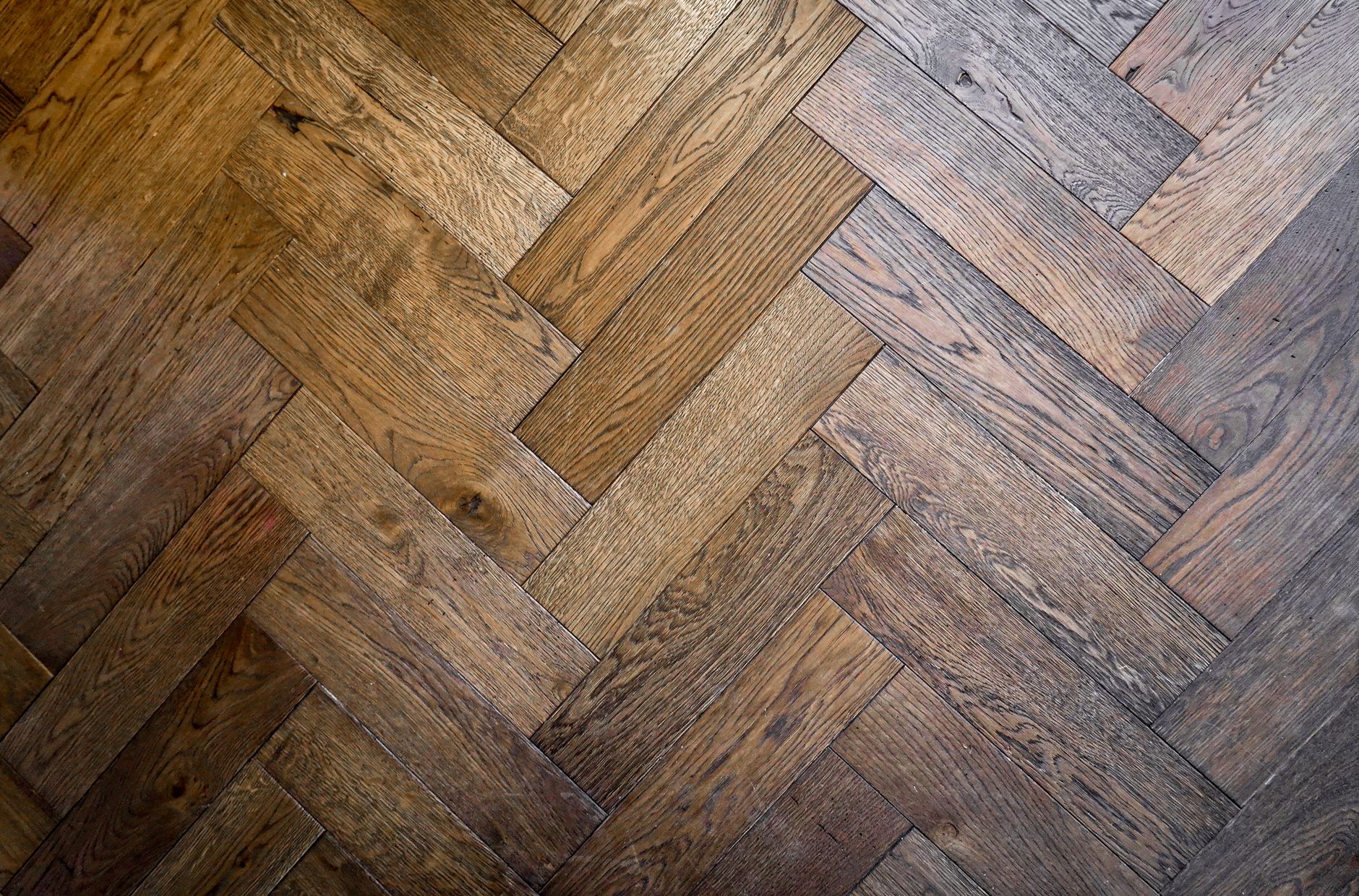
Once a baby starts crawling or a toddler takes their first steps, most parents begin to look at their floors a little differently. Hard floors that seemed perfectly fine before can suddenly feel like a worry, especially in kitchens and hallways where drinks get spilt and small children love to run.
Herringbone is a popular choice for family homes, so it’s natural to wonder if it’s safe for little ones. The short answer is that it depends on what the floor is made from, how smooth the surface is and how you look after it. With a few sensible choices, a herringbone floor can be safe, practical and stylish for families with young children. Here’s what to look out for.
The Pattern Isn’t the Problem, the Material and Finish Are
Herringbone is the name for the zigzag way the planks are laid. It doesn’t describe what the floor is made from. The same pattern can be created with real wood, laminate, tiles or vinyl, and each one feels quite different underfoot. How slippery a floor feels comes down to the surface of each plank, not the shape of the pattern.
Shiny, polished floors tend to be the most slippery part, particularly when children are in socks. Floors with a matt look or a slight texture, give little feet much better grip. When you’re comparing options, try these simple checks:
- Feel the surface: run your hand across a sample. A gentle texture usually means better grip.
- Choose a matt look: matt floors are less slippery than shiny ones, and they hide sticky fingerprints too.
- Ask questions: a good retailer will happily tell you which designs are best for busy family homes.
- See them in person: a showroom such as Urmston Carpets lets you compare different herringbone floors side by side and feel the difference for yourself.
Textured Herringbone LVT Offers Good Grip for Little Feet
Luxury vinyl tiles, often called LVT, are one of the most family-friendly ways to get the herringbone look. Many designs have a light texture that follows the grain of real wood, so the floor looks natural and gives feet something to grip. LVT also feels a little softer and warmer than stone or ceramic tiles, which makes it more comfortable for crawling babies and a bit kinder when toddlers take a tumble.
When choosing herringbone LVT flooring for a family home, pick a design with a textured or matt surface rather than a smooth, glossy one. Ask which ranges are made for kitchens, as these are designed to cope with spills and everyday wear. A hard-wearing option will stand up well to scooters, toy cars and dropped cups for years. It’s also worth asking for the planks to be stuck firmly to the floor underneath, so there are no lifting edges for small toes to catch on.
Wet Floors and Socks Are the Biggest Slip Risks
Most slips at home happen because of what’s on the floor rather than the floor itself. The usual causes are:
- spilt drinks and dropped food at mealtimes
- splashes from bath time or the kitchen sink
- floors that are still damp after mopping
- children running around in socks or tights
A few everyday habits can make a big difference. Wipe up spills straight away with a dry cloth, and keep kitchen roll somewhere easy to grab. Try to mop while little ones are napping or out of the room, so the floor has time to dry properly. Grippy socks or soft-soled slippers help children stay steady indoors, and bare feet are often safer than ordinary socks on any hard floor.
Cleaning Products Can Make Floors More Slippery
The products you use to clean your floor can change how slippery it feels. Polishes, waxes and shine sprays can leave a thin layer on the surface that makes it harder to grip, and this can build up over time. Using too much floor cleaner can have a similar effect, even if the bottle says it’s made for hard floors.
Keeping your floor clean and safe is easy with a simple routine:
- Sweep or vacuum often to pick up crumbs and grit.
- Use a mild floor cleaner that’s suitable for vinyl, and follow the amount on the label.
- Wring the mop out well, so the floor is damp rather than wet.
- Skip polishes and waxes, as a good quality LVT floor doesn’t need them.
Rugs, Mats and Layout Choices Add Extra Safety
Rugs and mats are a handy way to add comfort and grip where children spend most of their time. A large, soft rug in the play area gives babies a cosy spot for tummy time and crawling. Washable mats by the sink, back door and bath will catch drips before they reach the floor. Always put rugs on a non-slip underlay, as a rug that slides around can cause more falls than the floor underneath it.
The way you lay out the room matters too. Keep the joins between rooms flat so there’s nothing to trip over, and check that rug corners lie neatly without curling up. Families putting herringbone LVT flooring in an open plan kitchen and living room often add a soft area near the sofa. It gives children a comfortable place to play, while the kitchen side stays quick and easy to wipe clean after meals.
Choose a Family Friendly Floor With Confidence
Herringbone flooring isn’t too slippery for young children, as long as you choose it with care and look after it well. Go for a matt or textured surface, wipe up spills quickly and avoid polishes that leave a slippery layer behind. Rugs with non-slip underlays and flat joins between rooms give extra peace of mind in the busiest parts of your home.
Before you decide, order a few samples and try them out at home. Walk across them in socks and bare feet, add a splash of water to see how they grip, and look at them in both daylight and evening light. Once you’ve found a design that feels safe and suits your space, book a measure and get a quote for a floor the whole family can enjoy.







2 thoughts on “Is Herringbone Flooring Too Slippery for Young Children?”
Comments are closed.