Stepping into the skilled trades offers a promising path toward a stable, rewarding, and hands-on career. Whether you pursue carpentry, electrical installation, plumbing, or metal fabrication, beginner tradespeople quickly realize their success depends heavily on the quality of their tools. Having the right equipment not only helps you work efficiently, but also supports long-term safety and confidence on demanding job sites.
Navigating the vast trade gear market can feel overwhelming for anyone just entering the workforce. Beginners often struggle to tell the difference between mandatory daily essentials and optional specialty items they can buy later in their careers. By understanding the core categories of personal safety, essential hand tools, and proper maintenance, aspiring professionals can make smart investments that support long-term success.
Prioritizing Personal Protective Equipment for Long-Term Health
Safety should always remain the top priority when preparing for work in any physical industry. Job sites present numerous hazards, ranging from flying debris and intense sparks to hazardous fumes and falling objects. Investing in high-quality personal protective equipment (PPE) shields your body from immediate injury while safeguarding your health against chronic, cumulative damage over time.
Your primary safety ensemble should include sturdy work boots, heavy-duty gloves, protective eye gear, and appropriate respiratory masks. Choosing equipment certified to recognized safety standards ensures your gear can withstand rigorous everyday use. High-quality personal safety items let workers focus on their craft without worrying about preventable workplace accidents.
Selecting Vision Protection and Specialized Headgear
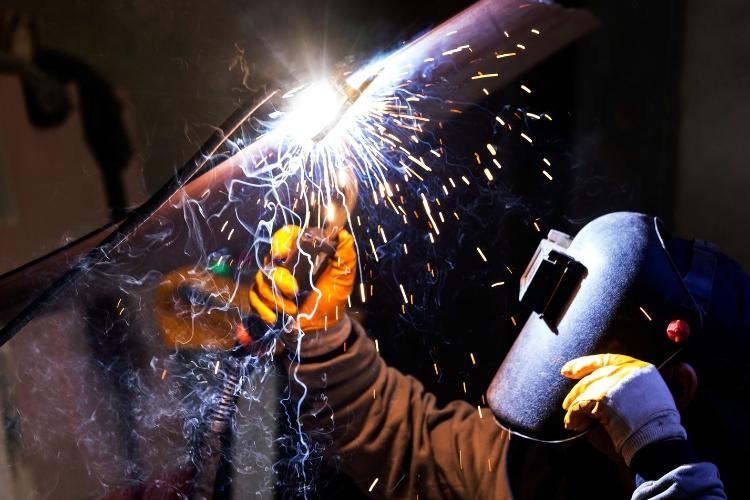
For trades involving welding, cutting, or high-heat fabrication, specialized headwear and facial shielding are absolutely indispensable. Standard safety glasses are often insufficient when facing bright ultraviolet light, intense thermal energy, and high-velocity sparks. Choosing specialized helmets with proper optical shading ensures both visual clarity and full eye protection during precise tasks.
When preparing your initial gear set, finding trusted suppliers for reliable headwear and protective lenses is critical for maintaining safety standards. Modern auto-darkening helmets and impact-resistant lenses let apprentices see their work clearly while maintaining continuous protection against radiation and debris. Shop from Ridge Products Welding to explore professional-grade protective helmets and specialized lenses designed to meet rigorous industrial safety requirements.
Investing in Core Hand and Power Tools
Once you have basic safety gear, building a reliable collection of hand tools is the next essential step. Every beginner should start with durable, versatile items such as steel hammers, measuring tapes, heavy-duty utility knives, and multi-use pliers. Buying higher-quality tools upfront usually saves money over time because cheap alternatives wear out quickly under daily job-site pressure.
Power tools also play a central role in modern trade environments, significantly increasing speed and efficiency on complex assignments. High-demand items like cordless drills, impact drivers, and portable saws are standard requirements across almost every construction discipline. Beginners should focus on acquiring versatile, battery-powered systems from reputable manufacturers that allow interchangeable batteries across multiple tool bodies.
Choosing Functional and Durable Work Wear
The clothing you wear on a job site is an essential line of defense against physical wear and harsh environmental elements. Standard street clothes lack the structural reinforcement necessary to endure rough surfaces, sharp tools, and constant movement. Tradespeople should choose rugged work pants and jackets constructed from heavy canvas, denim, or flame-resistant materials.
Proper fit is equally vital when selecting daily work apparel, as loose clothing can present dangerous snag hazards around machinery. Durable work boots featuring reinforced steel or composite toes protect your feet from dropped heavy objects and punctures. Additionally, ergonomic tool belts or vests distribute heavy tool weight evenly across your torso, preventing muscle strain during extended working hours.
Planning Tool Storage and Daily Transport
Transporting and organizing gear efficiently is an overlooked skill that directly impacts daily productivity and tool longevity. A chaotic tool container leads to lost equipment, wasted time searching for items, and potential damage to delicate measuring devices. Investing in modular toolboxes, heavy-duty backpacks, or rolling storage units keeps equipment organized and easy to access.
Proper storage also helps prevent theft or loss during transport between job sites. Rugged, water-resistant containers shield sensitive power tools and electrical components from rain, dust, and harsh site debris. Keeping gear organized projects professionalism and shows employers that you take pride in managing your working equipment.
Implementing Maintenance Routines to Protect Your Gear
Acquiring high-grade equipment is only half the battle; proper maintenance ensures it delivers maximum performance for years. Cleaning tools at the end of each workday removes damaging dirt, moisture, and chemical residue that accelerate wear. Simple routine checks, such as inspecting cords for damage and checking blades for sharpness, keep gear operating safely.
Creating a preventative maintenance schedule helps prevent unexpected tool failure in the middle of a critical project task. Lubricating moving mechanical joints and storing battery units at optimal temperatures significantly extends operational lifespans. Taking care of your equipment shows discipline, saves you money on early replacements, and helps you maintain consistent, high-quality workmanship on the job.