

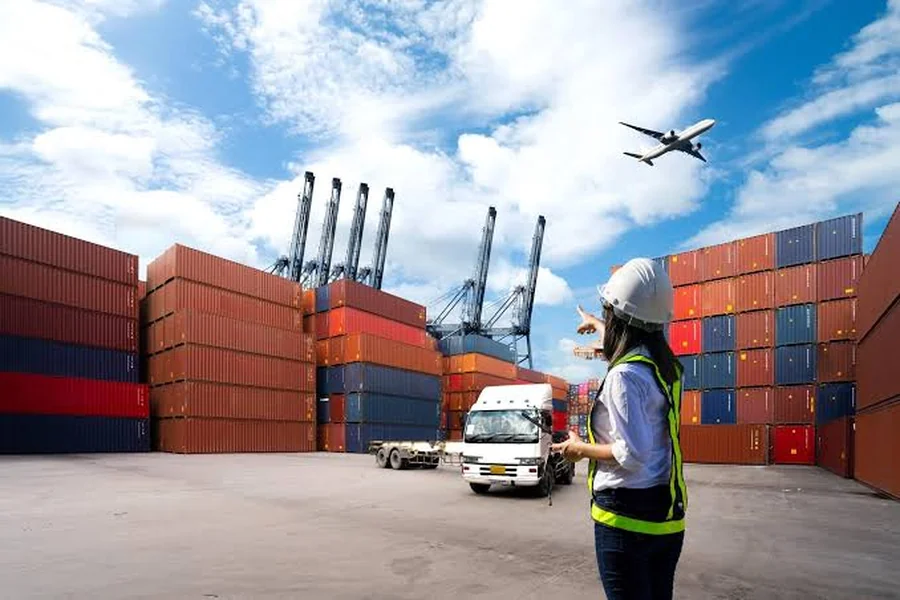
For a long stretch of the last two decades, “sourcing from Asia” basically meant sourcing from China, full stop. It made sense at the time. The infrastructure was there, the factories were there, and the cost advantages were hard to argue with. But a lot of importers who built their entire supply chain around one country are now finding out, sometimes the hard way, what happens when tariffs shift, shipping lanes get disrupted, or a single region’s manufacturing costs climb faster than expected. Diversifying supplier countries has gone from a nice-to-have to something a lot of businesses now treat as basic risk management, and this is exactly where an Asia sourcing agent tends to earn their keep.
The problem with diversifying on your own is that it’s genuinely hard to do well. Knowing a reliable factory network in Shenzhen doesn’t automatically translate into knowing which factories in Ho Chi Minh City or Ahmedabad are actually worth trusting. Every country in the region has its own quirks around minimum order quantities, quality consistency, communication norms, and how disputes actually get resolved when something goes wrong. Trying to build that knowledge from scratch across three or four countries simultaneously, usually while still running the rest of a business, is a lot to take on.
Why Single-Country Sourcing Became a Risk
It’s worth being specific about what actually pushed diversification from a theoretical good idea into something businesses are acting on. Tariff changes are the obvious one; a product that was cheap to import a couple years ago can suddenly carry a very different landed cost depending on where it was manufactured, and that math can change again with very little warning. Shipping disruptions matter too, and anyone who lived through a port backlog or a canal blockage in recent years knows how quickly a single-country, single-route supply chain can turn into a full stop rather than a slowdown.
There’s also a quieter factor that gets less attention: rising labor and production costs in the more established manufacturing hubs. As wages and compliance costs climb in traditionally dominant regions, some product categories that used to make obvious economic sense there no longer do, while neighboring countries with lower costs and improving infrastructure start looking a lot more competitive. None of this means abandoning an existing supplier relationship. It means not putting every order through a single point of failure.
What an Asia Sourcing Agent Actually Does Differently
A sourcing agent like Market Union Group with genuine regional reach, rather than one who happens to specialize in a single country, brings something that’s hard to replicate independently: existing relationships across multiple manufacturing hubs, along with a working understanding of how each one operates. That’s the practical value. Instead of learning the ropes in a new country through trial and error, which usually means at least one bad order before things click, an agent who already knows the terrain can shortcut a lot of that learning curve.
This matters more than it might sound like on paper. Factory vetting looks different depending on the country. Payment norms differ. So does how strictly quality control needs to be handled on-site versus how much can reasonably be trusted to remote inspection. A good agent isn’t just finding a factory and forwarding an invoice; they’re managing a set of relationships and expectations that vary meaningfully from one supplier country to the next, and doing it in a way that keeps communication consistent for the buyer even when the underlying process behind the scenes looks quite different.
Spreading Risk Without Spreading Yourself Too Thin
The instinct to diversify is right, but there’s a version of it that goes badly: trying to manage relationships across four countries with four different points of contact, four different sets of expectations, and no consistent process tying it together. That’s often more chaotic than staying with a single supplier, even a risky one. Working through a sourcing agent who coordinates across regions solves this without requiring the business to build out its own regional expertise from nothing. One point of contact, multiple manufacturing options behind it.
This also makes it more realistic to test a new supplier country in smaller batches before committing meaningful volume there. Rather than placing a large opening order with an unfamiliar factory and hoping for the best, a sourcing agent can often arrange smaller trial runs to validate quality and reliability first, which matters a lot for anyone who’s been burned before by rushing into a new region too quickly.
Getting the Timing Right
Diversification doesn’t need to happen all at once, and honestly it usually shouldn’t. Moving a portion of production to a second or third country while keeping an existing supplier relationship intact tends to work better than an abrupt full switch, both because it spreads risk gradually and because it gives you real comparison data on cost, quality, and lead times before making bigger decisions. An experienced sourcing agent can help sequence that shift sensibly rather than reacting to a single bad quarter by overcorrecting into an unfamiliar country with no track record established yet.
The businesses that come out ahead here tend to be the ones that treated supplier diversification as an ongoing strategy rather than a one-time fire drill. Markets shift, costs change, and the countries that make the most sense for a given product category today might not be the same ones in three years. Having a sourcing partner who can keep pace with that across the region, rather than being locked into expertise in just one country, ends up mattering more over time than most importers expect when they first start thinking about it.







1 thought on “How an Asia Sourcing Agent Helps You Diversify Beyond a Single Supplier Country”
Comments are closed.