

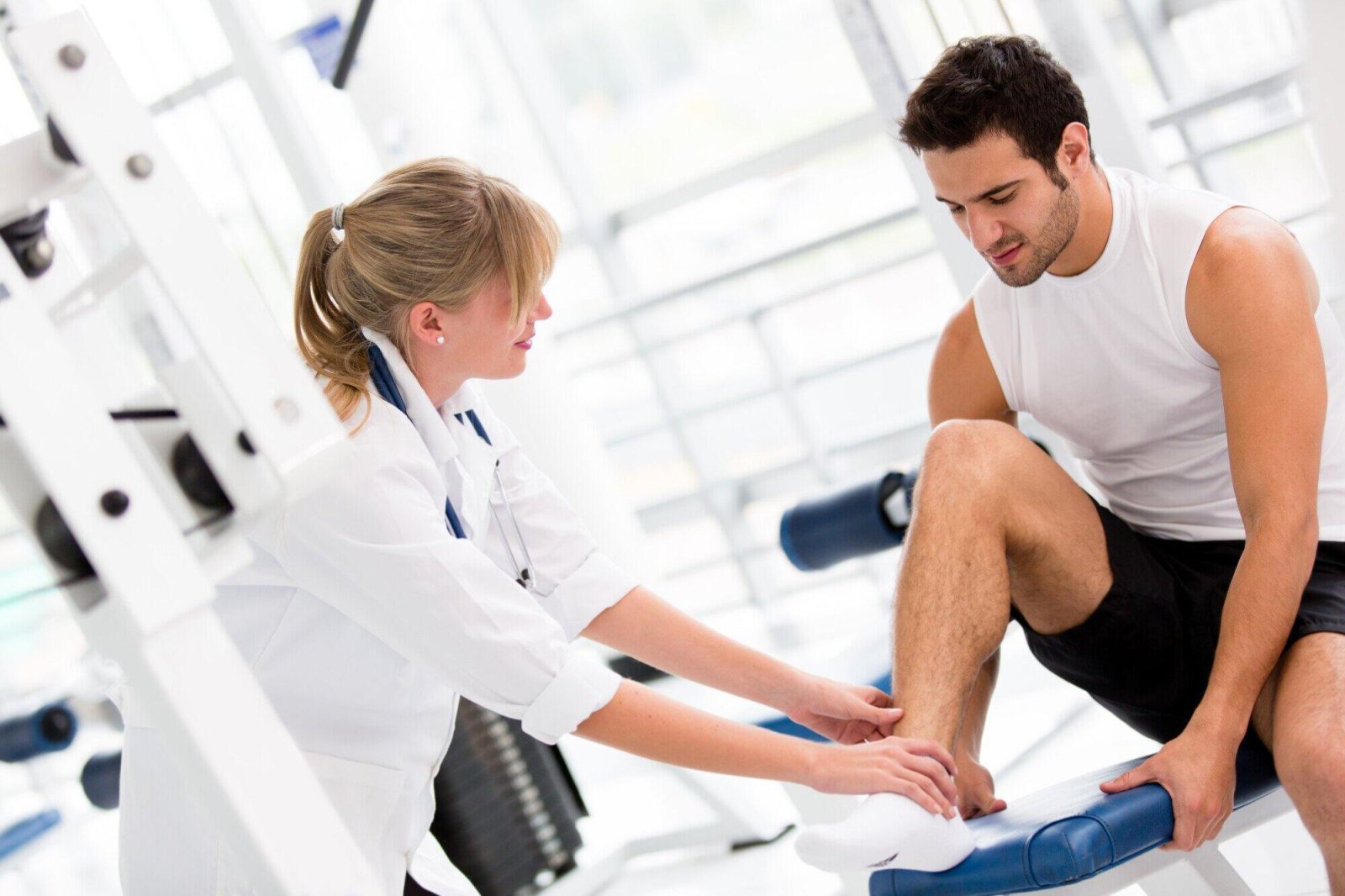
Sports injuries can affect athletes of every age and skill level. A sudden fall, repeated strain, poor movement, or direct impact can lead to pain and limited motion.
Recovery often involves more than waiting for the injury to heal. Athletes may need to rebuild strength, improve movement, restore balance, and slowly return to physical activity.
A clear rehabilitation plan can make this process safer and more organized. It can also help reduce the chance of another injury after the athlete returns to training.
Continue reading to discover everything you need to know!
Start With a Full Injury Assessment
A strong recovery plan usually begins with a detailed assessment. The goal is to understand what was injured and how the problem affects movement.
A provider may ask how the injury happened, where pain is located, and which activities make symptoms worse. They may also ask about past injuries, training habits, and recent activity changes.
Movement tests can help show what the athlete can and cannot do, and this may include checking balance, strength, range of motion, and joint control. The injured area is important, but nearby body parts also matter. For example, a knee problem may be linked to weakness in the hips or ankles.
The provider may also compare the injured side with the uninjured side, and this can show whether there is a clear difference in strength or movement. A full assessment helps guide the next steps. It can also help set realistic recovery goals.
Control Pain and Swelling Early
Pain and swelling are common after many sports injuries. Early care often focuses on reducing these symptoms and protecting the injured area. Rest may be useful for a short time, but complete inactivity is not always needed.
The right amount of movement depends on the type and seriousness of the injury. Cold packs, compression, or elevation may be used in some cases. These methods can help manage swelling and discomfort during the early stage.
Athletes should avoid pushing through sharp or worsening pain. Doing too much too soon can delay healing or place more stress on damaged tissue.
At the same time, staying still for too long may lead to stiffness and weakness. This is why recovery plans often include gentle movement as soon as it is safe.
Simple movements may include straightening, light bending, or weight shifting. These activities can help maintain some motion without placing too much demand on the injured area.
Restore Normal Range of Motion
After an injury, joints and muscles may become stiff, and this can make normal movement feel limited, weak, or uncomfortable. Rehabilitation often includes mobility work to help restore useful motion. Stretching and controlled joint movements may be part of this stage.
The goal is not always to make the athlete more flexible. It is to restore enough movement for daily tasks and sports. Too much stretching can sometimes create problems, especially if a joint is already loose.
A careful plan should match the needs of the injury. For example, a stiff ankle may need mobility work before an athlete can squat or run normally again. A shoulder injury may require slow progress with reaching and overhead movement.
Movement should usually improve over time without causing a major rise in pain. Gentle progress is often more useful than forcing a joint into a painful position.
Rebuild Strength Step by Step
Muscles often become weaker after injury. Pain, swelling, and reduced activity can all lead to strength loss.
Rehabilitation usually begins with simple exercises. These may use body weight, resistance bands, light weights, or controlled holds. As the athlete improves, the exercises can become harder.
More resistance, extra movement, or longer sets may be added. Strength work should not focus only on the injured area. Nearby muscles may also need attention to support better movement.
For example, an ankle injury may require work on the calf, foot, hips, and core. These areas all help with balance and control.
A shoulder injury may include exercises for the upper back and shoulder blade muscles. Better support around the joint can help improve overall movement.
The athlete should focus on good form instead of trying to lift as much as possible. Poor movement during exercise can place stress on the wrong areas.
A slow increase in strength can prepare the body for harder sports activity later. It can also help the athlete feel more confident using the injured area again.
Improve Body Control
Balance is important in many sports. It helps athletes land, change direction, and react to movement around them.
Injuries can reduce balance and body control, even after pain starts to improve, and this is common after ankle, knee, and lower-body injuries. Simple balance drills may begin with standing on one leg or holding a stable position. Harder tasks can be added later.
The surface, speed, or direction of movement may also change as the athlete progresses. Closing the eyes or adding arm movement can make some drills more challenging.
These exercises can help the body respond more quickly. They may also improve confidence in the injured area.
Balance work can also include landing from a small jump or stepping in different directions. These drills can prepare the athlete for more active sports movements.
Better control can reduce unwanted movement during running, jumping, or cutting. It may also help the athlete move more smoothly.
This part of rehabilitation should become more sport-specific over time. The goal is to prepare the body for the situations it will face during real activity.
Use Hands-On Care When Appropriate
Some rehabilitation plans include hands-on care. This may involve soft tissue work, joint movement, or other manual techniques.
The goal may be to reduce stiffness, improve movement, or make exercise easier. Manual care can sometimes help when an athlete feels limited by tight or sore areas.
Hands-on care is usually most useful when it supports active recovery. It should not replace strength and movement work.
Athletes exploring sports injury treatment in Riverview may see that care plans can include different methods depending on the injury, movement limits, and recovery goals. Some athletes may respond well to a mix of exercise and manual care. Others may need more focus on strength, balance, or movement control.
The right approach depends on the person and the stage of recovery. What helps during the first week may not be as useful later.
The athlete should understand why each technique is being used. This makes it easier to see how the treatment fits into the larger recovery plan.
Active work should remain a major part of rehabilitation. Long-term progress usually depends on rebuilding movement and strength, not only receiving hands-on care.
Build Sport-Specific Movement
Basic strength is important, but athletes also need to prepare for the movements used in their sport. A runner may need to rebuild stride control and endurance. A basketball player may need jumping, landing, and quick direction changes.
A soccer player may need cutting and fast changes in speed. A swimmer may need shoulder control and repeated overhead motion.
These sport-specific drills usually come later in rehabilitation. They help connect basic recovery work to real performance.
The drills should become harder in stages. Speed, resistance, distance, or complexity may increase over time.
For example, a basketball player may begin with small jumps before moving to repeated jumps or full-speed drills. A runner may start with short jogging periods before increasing distance.
Return to Running Carefully
Running places repeated stress on the legs and joints. Athletes should not return to full running too quickly after injury.
A return-to-run plan often starts with short and easy sessions. Walking and jogging may be mixed at first.
Distance and speed can increase slowly if symptoms stay under control. One factor should usually be changed at a time.
For example, the athlete may increase distance before increasing speed, and this makes it easier to see which change causes problems if symptoms return. The athlete should also watch for swelling, pain, or changes in movement after running. Symptoms the next day can be just as important as symptoms during the session.
If pain rises sharply or movement becomes uneven, the plan may need to slow down. Running surfaces can also matter. A flat track or smooth path may be easier at first than hills or uneven ground.
A gradual return allows the body to adjust. It can also help rebuild confidence before faster training begins.
Use Proper Warm-Ups and Cool-Downs
Warm-ups can help prepare the body for training. They increase movement, raise body temperature, and help athletes focus.
A good warm-up should match the sport. It may include light movement, dynamic stretches, and simple skill drills.
After injury, warm-ups may also include specific exercises from the rehabilitation plan. These can help prepare areas that still need extra attention.
For example, an athlete recovering from an ankle injury may include calf raises or balance work. A shoulder athlete may add light resistance exercises before practice.
Warm-ups should become more active as the session gets closer to full speed. The goal is to prepare the body instead of tiring it out.
Cool-downs can help the body move from hard activity to rest. Light walking or gentle movement may be enough.
Long or aggressive stretching is not always needed. The right cool-down depends on the athlete, sport, and type of training.
Good warm-up and cool-down habits can continue even after formal rehabilitation ends. They can become part of a long-term injury prevention routine.
Watch for Signs of Overtraining
Athletes often want to return as fast as possible, and this can lead to doing too much before the body is ready. Signs of overload may include rising pain, lasting swelling, heavy fatigue, or weaker performance.
Sleep problems and low energy can also show that training is too demanding. Some athletes may also notice that normal workouts suddenly feel much harder. Rehabilitation should include rest days and lighter sessions when needed.
Recovery time is part of training, not a sign of failure. Progress does not have to happen every day. Recovery often includes small setbacks and changes.
Training volume should rise slowly. Large jumps in running distance, weight, or practice time can place more stress on healing tissue.
Athletes should also pay attention to other demands, such as school, work, travel, or poor sleep. These can affect how well the body recovers. Listening to the body can help prevent a new problem from developing while the original injury is still healing.
Track Progress With Clear Measures
Recovery is easier to manage when progress is measured. Athletes should know what is improving and what still needs work.
Strength, balance, range of motion, and pain levels can all be tracked, and these measures can be repeated throughout rehabilitation.
Sport tests can also be useful, and these may include jumping, running, throwing, or direction-change drills. Comparing both sides of the body can show whether one side is still weaker. Large differences may suggest that more work is needed before a full return.
Simple records can also help. An athlete may track training time, pain levels, or how the body feels the next day.
Progress tracking helps guide decisions. If a test still shows a clear limit, full sports return may need to wait.
Build Confidence Before Full Return
Physical recovery is only one part of sports rehabilitation. Confidence also matters.
Some athletes become afraid of repeating the injury. They may move more carefully or avoid certain actions. This can affect performance even when the injured area has healed well.
An athlete may hesitate during a jump, tackle, sprint, or change of direction. Gradual practice can help rebuild trust in the body. Simple drills can become harder as confidence improves.
The athlete should feel comfortable with sport movements before returning to full competition. Practice provides a safer place to rebuild this comfort.
Fear should not be ignored, but it also should not be rushed. Athletes may need time to feel normal again.
Build a Safer Path Back to Activity
Sports injury rehabilitation is a step-by-step process. It often includes pain control, mobility work, strength training, balance, and sport-specific movement.
The best plan should match the athlete, the injury, and the demands of the sport. Recovery is rarely the same for every person.
Rushing can create setbacks, while moving too slowly may also limit progress. A steady plan allows the body to rebuild at a safer pace.
Athletes should pay attention to how they feel between sessions. Pain, swelling, weakness, or poor confidence can all show that more recovery time is needed.
Check out the rest of our site for more!





2 thoughts on “Understanding Sports Injury Rehabilitation: A Comprehensive Guide”
Comments are closed.