

Selling a home that needs work can feel especially complicated in Falls Church, where location, lot size, neighborhood character, and access to the broader Northern Virginia area can all influence buyer interest. Homeowners considering a faster route can begin by reviewing options for selling a house fast in Falls Church, VA, at https://kingstreetpropertygroup.com/sell-my-house-fast-falls-church-va/ then compare that path against a traditional listing or a direct sale.
The Falls Church Market and As-Is Homes
Falls Church homes can attract buyers who value established neighborhoods, nearby employment centers, parks, schools, and transportation connections. That interest does not make the condition irrelevant. A dated kitchen, aging roof, water damage, unfinished work, tenant wear, or a major systems issue can change the likely buyer pool and the price buyers are prepared to support. Citywide figures are useful only as a starting point. For 2026, the City reported that overall residential assessed values rose 7.2 percent, with different average changes for single-family homes, townhomes, and condominiums. An assessment is not a guaranteed sale price. Still, the City's annual real estate assessment process can help an owner review public parcel details and understand how the municipality evaluates local property data. Before choosing a sales route, define the real goal. Some owners need a predictable closing date because of a move, estate administration, divorce, or financial pressure. Others can tolerate a longer process in pursuit of a higher potential price. A direct option through King Street Property Group – Washington, DC, may be worth comparing with an agent-led listing when speed and reduced preparation are priorities.
What As-Is Means in Virginia
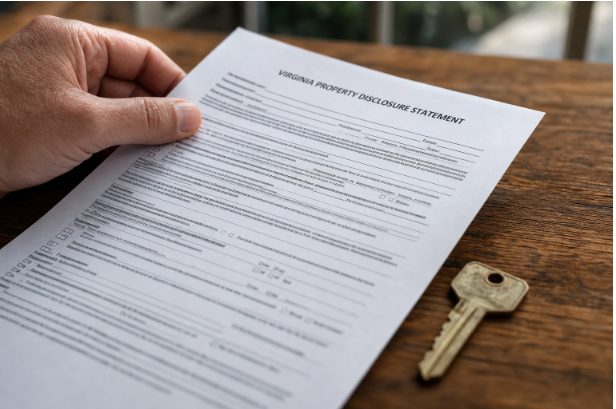
An as-is sale generally means the buyer is agreeing to purchase the property in its present physical condition. It does not mean the buyer cannot inspect the home, nor does it allow either party to rely on vague or misleading contract terms. Buyers often use inspections to understand the scope of repairs, even when they do not expect the seller to complete them. Virginia sellers should also understand the state's residential property disclosure requirements. The required disclosure form is not a substitute for careful communication or professional guidance. When a home involves an estate, multiple owners, a pending foreclosure, bankruptcy, a divorce, disputed ownership, or possible title trouble, legal advice may be appropriate before signing. Gather records early. Useful materials include prior inspection reports, repair invoices, warranties, permits, insurance claim information, leases, association documents, and notices involving utility balances or liens. This preparation makes it easier to answer legitimate questions and prevents last-minute surprises at closing.
Costs to Calculate Before Selling
The highest offer is not always the best offer. Compare the amount that is likely to remain after every known or reasonably expected expense:
- Repair, cleaning, hauling, landscaping, storage, and staging costs.
- Agent compensation, photography, marketing, and seller-paid buyer credits.
- Mortgage payoff, liens, property taxes, utility balances, and association charges.
- Insurance, maintenance, security, and financing costs while the home remains unsold.
- Moving expenses, temporary housing, and the cost of carrying two properties.
Estimated Net Proceeds = Sale Price − Repairs − Selling Costs − Loan Payoff − Liens − Other Closing Expenses
Three Ways to Sell a Home in Poor Condition
1. Traditional Listing
A traditional listing usually provides broad exposure to retail buyers. It may also require repair decisions, cleaning, photography, showings, post-inspection negotiations, and a buyer who can obtain financing. This route can be suitable when the seller has time, funds for preparation, and a home that can compete effectively after work is completed.
2. Private Sale
Selling directly to an individual buyer can reduce some marketing steps, but it still requires a sound contract, accurate disclosures, title work, inspection terms, and a qualified settlement professional. A casual agreement between acquaintances is not a replacement for documented terms and a verified closing process.
3. Cash Offer
A cash buyer may avoid lender-related appraisal and underwriting delays. However, cash does not resolve title defects, unpaid liens, estate paperwork, inspection negotiations, or a buyer's right to cancel. Request proof of funds, confirm the purchaser's legal identity, and determine whether the contract permits assignment to another party.
Pricing and Offer Review
Set expectations with recent comparable sales rather than a broad online estimate. Compare homes by neighborhood, property type, square footage, lot size, age, parking, finished space, updates, and overall condition. Then account for major repair estimates and a reasonable buffer for uncertainty. A house with structural concerns or unpermitted improvements may appeal to a different audience than a move-in-ready property. When reviewing offers, check the purchase price, earnest-money deposit, financing contingency, inspection period, requested credits, closing date, title company, fees, and default terms. Be cautious with pressure to sign immediately, unexplained charges, or promises that do not appear in the written agreement.
A Practical Sale Checklist
- Clarify priorities: Decide whether speed, price, convenience, or a specific closing date matters most.
- Collect documents: Locate the deed, mortgage statement, tax information, permits, leases, and repair records.
- List known conditions: Note visible defects and obtain estimates for significant work when practical.
- Compare net proceeds: Calculate likely expenses for a listing, private sale, and direct offer.
- Verify the buyer: Review proof of funds or preapproval, identity, deposit, and assignment language.
- Use a reliable closing professional: Confirm title, payoff figures, transfer documents, and settlement requirements before closing.
Final Considerations Before Signing
Selling an as-is house in Falls Church, VA, is ultimately a decision about value, timing, effort, and risk. An as-is sale may reduce the need for extensive repairs or preparation, but it does not remove the need for careful pricing, accurate documentation, and thorough contract review. Sellers should compare more than one path, including a traditional listing, limited-preparation sale, or direct offer, depending on the property's condition and the owner's priorities. Document the property's known condition, gather relevant repair and ownership records, and consider how mortgage payoff amounts, closing costs, holding expenses, and buyer concessions may affect the final proceeds. When reviewing offers, look beyond the headline price and consider contingencies, inspection rights, financing, proof of funds, closing dates, and other terms that could affect certainty. Read every contract provision carefully and clarify unclear responsibilities before signing. The best choice is the one that fits the property, the owner's timeline, financial goals, and the practical realities of the transaction.








2 thoughts on “No Major Repairs? A Practical Falls Church As-Is Selling Guide”
Comments are closed.