

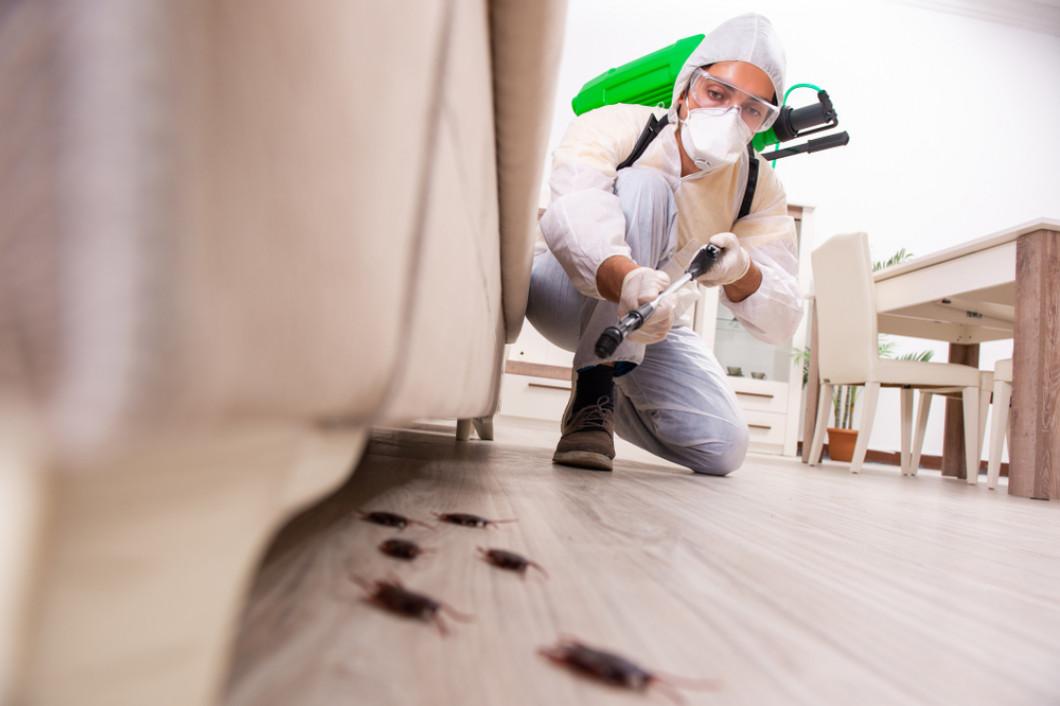
How Property Maintenance, Hidden Entry Points, and Prevention Support Long-Term Pest Control in San Antonio
Pest problems do not always begin with an obvious infestation. In many properties, pests enter through small openings, find suitable food or moisture sources, and gradually establish hiding and nesting areas. By the time homeowners notice insects, rodents, or other pests, the underlying conditions may already have existed for weeks or months. This is why effective pest management involves more than treating visible pests. Property maintenance, entry-point inspection, structural repairs, and preventive practices can all contribute to maintaining a property that is less attractive and accessible to pests.
Understanding the Connection Between Property Maintenance and Pest Activity
Regular property maintenance plays an important role in reducing opportunities for pests. Damaged screens, cracks around foundations, gaps beneath doors, deteriorating roof areas, and openings around utility lines can provide easy access to a building. Even when these openings appear insignificant, insects and rodents can use them to enter interior spaces.
Routine inspections allow property owners to identify these weaknesses before they become significant pest entry routes. Maintenance should include checking exterior walls, doors, windows, roofing areas, garages, crawl spaces, and other locations where gaps or damage may develop.
Keeping the surrounding property maintained is also important. Overgrown vegetation, piles of leaves, standing water, and accumulated debris can create shelter or breeding conditions for certain pests. Removing unnecessary sources of food, water, and shelter can make the environment less favorable for pest activity.
Hidden Entry Points Can Be Difficult to Notice
One of the challenges of pest management is that entry points are not always visible from inside the property. A small crack near a foundation, an opening around a pipe, or a gap behind an exterior structure may provide enough space for pests to enter.
Rodents can take advantage of surprisingly small openings, while insects may enter through cracks around windows, doors, vents, and utility penetrations. Some pests can also move between exterior and interior areas through damaged roofing or poorly sealed openings.
A professional inspection can help identify these less obvious access points. Instead of focusing only on where pests have been seen, an inspection can consider how they may be entering, where they may be hiding, and what property conditions are supporting their activity.
Why Sealing Entry Points Matters
Treating an infestation without addressing access points may leave a property vulnerable to future pest activity. If pests can continue entering through the same opening, new activity may occur even after an existing infestation has been treated.
Sealing gaps and repairing damaged areas can therefore complement pest treatment. Depending on the property, this may involve replacing damaged screens, repairing gaps around doors and windows, sealing openings around pipes, repairing structural cracks, or addressing other weaknesses.
Structure sealing is particularly useful when pest activity is associated with repeated entry from outside. The goal is not simply to close one visible hole but to identify and address multiple potential access points around the structure.
Moisture and Water Problems Can Attract Pests
Moisture is another property condition that can contribute to pest activity. Leaking pipes, clogged gutters, poor drainage, condensation, and standing water can create conditions that support certain insects and other pests.
Property owners should regularly inspect areas where water can accumulate or where leaks may go unnoticed. Bathrooms, kitchens, basements, crawl spaces, utility areas, and exterior drainage points deserve particular attention.
Fixing moisture problems can provide benefits beyond pest prevention. Indoor humidity and temperature management also play a role in creating an environment that is less attractive to pests. Managing airflow and heating or cooling efficiency helps prevent excess dampness from building up in hidden areas. Homeowners who prioritize overall home comfort often consult specialists like Jones Climate Control to ensure their systems operate smoothly, which indirectly supports broader maintenance and prevention efforts. It can also help reduce the risk of property deterioration and other maintenance concerns. When pest activity continues in a damp location, correcting the underlying moisture issue may be an important part of a broader management strategy.
Food Sources and Poor Sanitation Can Encourage Pest Activity
Food availability is another factor that can influence pest behavior. Uncovered food, improperly stored supplies, overflowing trash containers, pet food left outdoors, and food residue can provide opportunities for insects and rodents.
Good sanitation practices can help reduce these opportunities. Food should be stored in suitable sealed containers, garbage should be removed regularly, and spills should be cleaned promptly. Outdoor areas should also be kept free of unnecessary food sources.
Sanitation alone may not eliminate an established infestation, but it can support other pest management measures. Removing accessible food sources can make it more difficult for pests to remain established within or around a property.
Landscaping Can Influence Pest Conditions
The condition of landscaping around a building can also affect pest activity. Dense vegetation touching exterior walls, tree branches extending toward roofs, and excessive ground cover may create pathways or shelter for certain pests.
Keeping vegetation properly maintained can improve the separation between the building and surrounding landscape. Property owners can also monitor areas near foundations for signs of pest activity, moisture accumulation, or structural damage.
Landscaping maintenance should be considered part of an overall property-care routine rather than a standalone pest control measure. Its purpose is to reduce conditions that may contribute to pest access and shelter.
Prevention Is Different From Emergency Treatment
Many property owners contact a pest professional only after noticing a significant problem. While treatment can address active pest activity, prevention focuses on reducing the likelihood of future problems.
Preventive pest management may involve scheduled inspections, monitoring, exterior treatments where appropriate, structural sealing, sanitation improvements, and recommendations for property maintenance.
Local environmental factors and seasonal changes can also dictate how frequently preventive measures should be updated. Property owners seeking reliable pest control in Richmond often focus on establishing routine inspections that identify seasonal threats before pests establish nests indoors. Combining routine property care with professional evaluations helps ensure that small vulnerabilities are addressed promptly throughout the year.
For property owners searching for pest control San Antonio, understanding the difference between eliminating an existing infestation and preventing future pest activity can help them take a more comprehensive approach to property protection.
Professional Inspections Can Reveal Problems Early
A professional pest inspection can provide useful information about conditions that may not be obvious to a property owner. Technicians can examine common pest activity areas and look for evidence such as droppings, nesting materials, damage, trails, entry points, or other indicators.
Early identification can be particularly useful because small problems may be easier to address before they develop into larger infestations. An inspection can also help determine whether pest activity is isolated to one area or connected to broader property conditions.
The information gathered during an inspection can guide treatment and prevention recommendations. Rather than relying solely on visible evidence, professionals can consider the property’s structure, environment, and pest activity together.
Long-Term Pest Management Requires Ongoing Attention
Pest prevention is not necessarily a one-time task. Buildings change over time, and new cracks, gaps, leaks, landscaping growth, and maintenance issues can create new opportunities for pests.
Regular property inspections and maintenance can help identify these changes. Homeowners and businesses can create a routine that includes checking exterior walls, roofs, doors, windows, drainage areas, storage spaces, and other vulnerable locations.
Businesses may need additional considerations because pest activity can affect employees, customers, inventory, equipment, and daily operations. A consistent pest management program can help businesses monitor conditions and respond to problems before they become more disruptive.
Combining Treatment With Prevention
An effective pest management strategy often involves several complementary steps. Treatment can address active pest populations, while maintenance and exclusion can reduce access to the building. Sanitation can reduce food sources, and moisture management can address environmental conditions that support certain pests.
These measures work together rather than replacing one another. For example, treating ants without addressing an accessible food source may leave favorable conditions in place. Similarly, removing rodents without checking potential entry points may leave the property vulnerable to additional activity.
A comprehensive approach considers both the current pest problem and the property conditions that may contribute to it.
Conclusion
Long-term pest management begins with understanding why pests are able to enter and remain on a property. Regular maintenance, structural inspections, entry-point sealing, moisture control, sanitation, and landscaping care can all help reduce conditions that support pest activity.
Professional pest services can complement these efforts by identifying signs of infestation, locating potential access points, treating active problems, and providing recommendations for prevention. By combining immediate pest management with ongoing property care, homeowners and businesses can take a more proactive approach to protecting their buildings and maintaining a cleaner, more comfortable environment.









3 thoughts on “How Property Maintenance, Hidden Entry Points, and Prevention Support”
Comments are closed.