


If your Hanover, PA home needs a new roof, the written proposal is your strongest clue to workmanship quality. Our weather swings from freeze-thaw cycles to summer heat and storm gusts, and that punishes shortcuts. Price matters, but the scope and methods matter more. The best proposals clearly explain what will be removed, what will be installed, and how the contractor manages risk at edges, valleys, chimneys, and low-slope sections. Use the checklist below to compare bids line by line to ensure you are buying a complete roofing system, not just shingles.
1. Start With Tear-Off, Decking, and the Unknowns
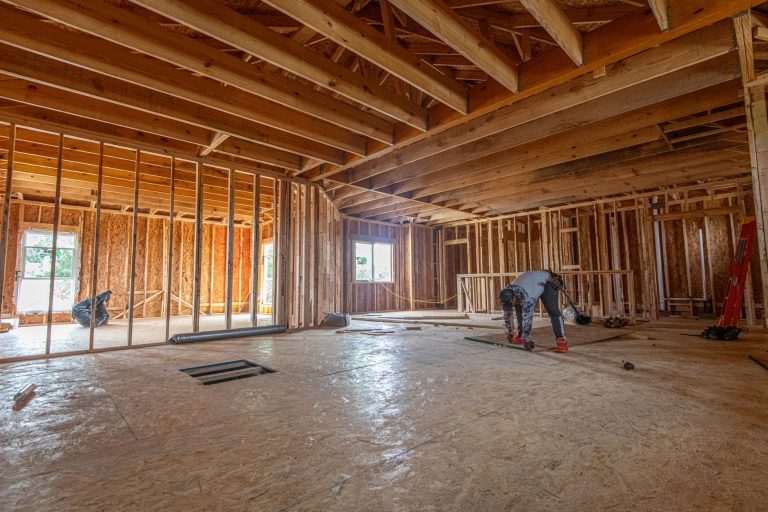
A complete proposal should state a full tear-off of all existing layers, not an overlay. An overlay saves time but hides soft sheathing, adds weight, and can limit manufacturer warranties. Look for language about inspecting the wood deck, replacing any rotten or delaminated OSB/plywood, and how those repairs will be priced. Responsible bids include a per-sheet decking price, note typical rot zones at eaves and around chimneys, and specify new drip edge at all roof edges.
If you are gathering names or context on local firms, resources that highlight top roofing contractors in Hanover, PA can help you build a shortlist. Then verify that each proposal addresses the basics: how many layers will be removed, who will supply the dumpster and cover disposal fees, how landscaping and siding will be protected with tarps and plywood, and what the change-order process is if hidden damage is found after tear-off.
2. Waterproofing That Prevents Leaks and Ice Dams
Underlayment choices and placement are not small details. In our climate, proposals should include a self-adhered ice-and-water barrier at the eaves and in valleys, and around trouble spots such as dormer tie-ins and skylights. Synthetic underlayment resists tearing and buckling better than 15-pound felt during wind gusts and temperature swings. The scope should also call out the new drip edge and gutter apron and describe how these layers integrate to ensure water reliably sheds into the gutters rather than behind them.
Low-slope areas deserve special attention. Sections below a 4:12 pitch need additional protection, often extended peel-and-stick coverage or a compatible low-slope membrane at porches and returns. If your home combines steep main slopes with a shallow back porch, the proposal should use the right materials for each area rather than a one-size-fits-all approach.
3. Flashing, Skylights, and Penetrations: Where Leaks Start
Many roof failures start at transitions, not in the shingle field. Watch for vague language like “reuse existing flashing.” Quality bids specify new step flashing against sidewalls, new apron flashing at headwalls, and new counterflashing at chimneys, cut into the mortar joints rather than just glued to the brick. Define valleys as closed-cut or open metal, and include the metal gauge and finish if metal is used. Every pipe penetration must receive a new boot; silicone or heavy-duty boots outlast thin neoprene in UV exposure. Skylights need clear instructions, whether they will be re-flashed, re-curbed, or replaced.
Ventilation should be engineered, not guessed. Proposals ought to specify ridge vents by linear feet, matching soffit intake, and baffles to keep insulation from blocking airflow at the eaves. Mixing a ridge vent with a powered gable fan can short-circuit airflow and pull rain or snow into the attic. Balanced intake and exhaust lower attic heat and moisture, which helps reduce shingle blistering and winter ice damming.
4. Shingle System and Installation Methods to Require
Ask for a complete shingle system, not piecemeal parts. That includes a manufacturer-approved starter strip at both eaves and rakes, field shingles with a stated wind rating, and matching hip-and-ridge caps. Installation methods matter: use nails, not staples; use the right nail length to penetrate the deck; and use the proper nail line to engage the shingle’s reinforced zone. Nail count and placement directly affect wind resistance and long-term adhesion of the sealant strips.
Valley style is a practical trade-off. Open metal valleys with a center crimp shed leaves and snow efficiently and make inspection easy; closed-cut valleys look cleaner and can be quieter in rain. On a wooded Hanover lot that sees heavy leaf fall, an open metal valley often stays clearer and reduces debris-driven backups. The proposal should name the method and materials so you can weigh function against appearance.
5. Cleanup, Weather Contingencies, and Warranty Paperwork
Roofing can disturb your property if you don’t manage it carefully. Proposals should specify where the trailer or dumpster will be located, how they will protect your driveway, and how they will handle a daily magnetic sweep for nails. Look for ladder standoffs to preserve gutters, and for plans to protect HVAC units and garden beds with padded coverings. Because Pennsylvania weather can shift quickly, require a dry-in plan: if a squall line hits mid-day, the crew must be ready with self-adhered underlayment, ridge caps, or tarps to leave your home watertight overnight.
Finally, the paperwork. Manufacturer warranties often depend on using compatible components and following the installation guide, so the proposal should list the brand and system being installed. Make sure a workmanship warranty appears in writing and spells out duration and response time. Clarify who pulls the permit if one is needed and who schedules any required inspection. After the crew leaves, register the manufacturer’s warranty, check your attic after the first hard rain for leaks around bath fans and chimneys, and keep gutters clear so the new drip edge and valleys can do their job.
The difference between an average bid and a top-tier roof is visible on the page before a nail is driven. When proposals spell out tear-off and deck repairs, moisture barriers for freeze-thaw conditions, new flashing at every transition, balanced ventilation, proven installation methods, and cleanup and warranty details, you are comparing true equals. Use local roundups to identify reputable Hanover roofers, then use these as your benchmark. A clear scope protects your home now and for years of Pennsylvania weather to come.






1 thought on “How to Read Roofing Proposals in Hanover, PA: Details That Separate Top Crews From the Rest”
Comments are closed.