

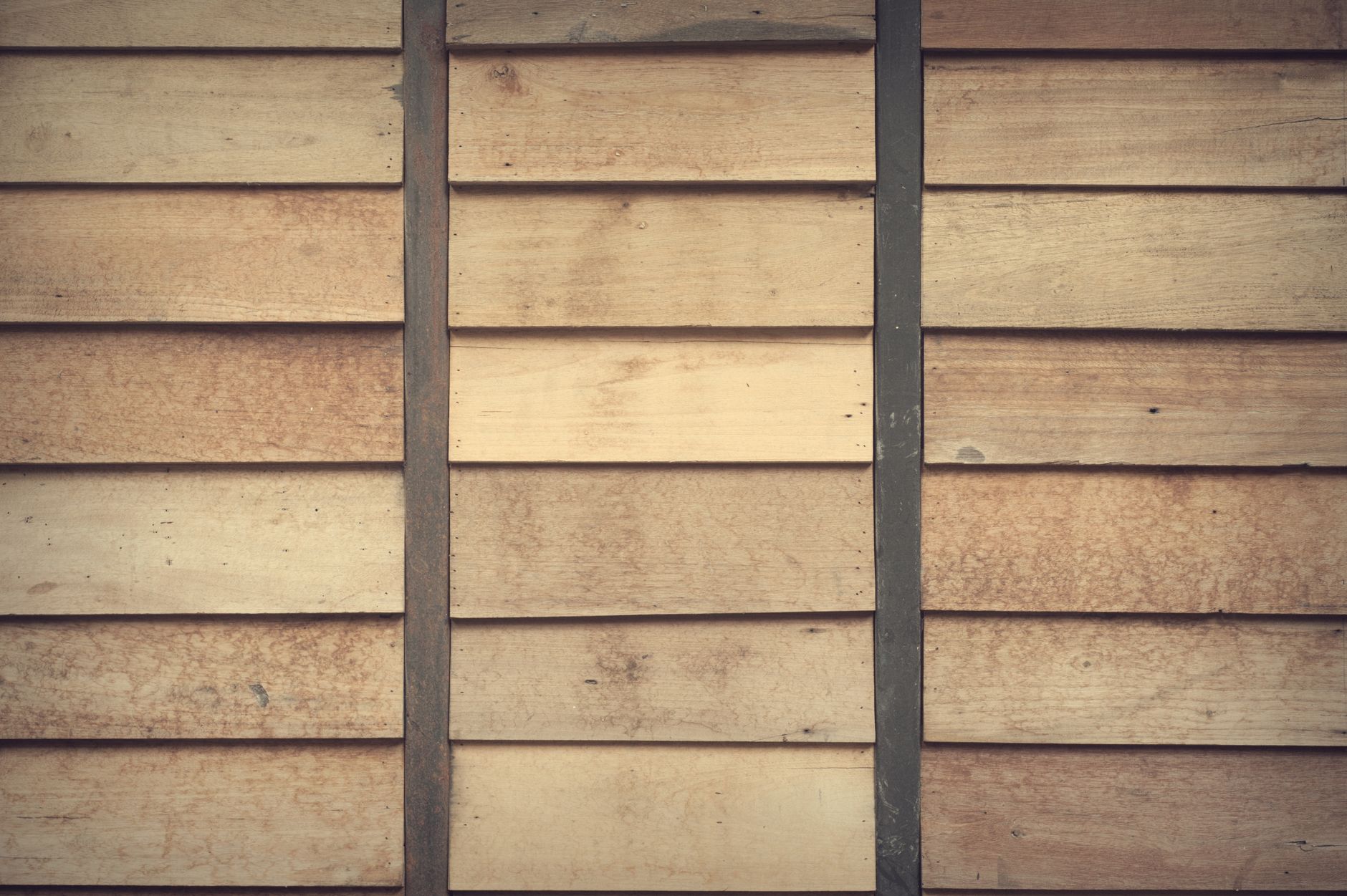
Two-thirds of the siding complaints I hear about around Billings trace back to the same mistake, and it isn't the product. It's the order of operations. Someone picks a color, calls around for the cheapest bid, and never once asks how the material handles a hailstorm in June or a stretch of dry wind in February. Nine months later, a seam is cupping and the installer is "booked out until fall." That's not bad luck. That's a decision made too fast.
So here's what you're getting from this piece. You'll learn how engineered wood siding actually differs from the cedar and vinyl you've seen on every block in this town, what really determines whether a job holds up, and a short framework I use to decide whether a homeowner is ready to buy. If you'd rather skip ahead, the honest answer is that the install matters more than the brand on the box, which is why homeowners hunting for LP SmartSide installers in Billings, MT should be interviewing the crew before they fall in love with a sample board.
Let's start with what the material actually is, because most people assume it's either plastic or sawdust glued together in a shed. It's neither.
What engineered wood siding actually is
Engineered wood siding takes wood strands and bonds them with resin and a wax treatment, then presses the whole thing into a board with a factory-applied overlay. The result reads like wood from the street. Up close, you get a grain texture that's consistent board to board, which is either a feature or a bug depending on your taste. Natural cedar never repeats itself, and I think that irregularity is the real reason people still pay extra for it. Engineered wood gives that up in exchange for boards that don't twist, cup, or sprout mushrooms after a wet spring.
The part that surprises homeowners is the warranty math. Manufacturers tie coverage to installation method, fastener choice, clearance above grade, and whether the board was stored off the ground before it went up. Skip any one of those and you've bought a very expensive decorative panel. According to the Environmental Protection Agency, the average American spends close to 90 percent of their time indoors, which is a roundabout way of saying your exterior envelope is doing quiet, constant work that you only notice when it stops.
So the material is solid. The variables are everywhere else.
Why the crew matters more than the sample board
I'll say the unpopular thing: brand loyalty in siding is mostly marketing. Two crews can hang identical boxes of the same product on identical houses a mile apart, and five years later one looks new while the other has wavy shadow lines under the eaves. The difference is spacing, flashing, and whether anyone bothered to read the install guide that ships with the pallet.
Here's the shortlist of things worth asking about before you sign anything:
- Who handles the flashing details around windows and penetrations, and can they describe how
- How the boards are fastened, and whether the fasteners are the ones the manufacturer specifies
- Where the material will sit on delivery day and who checks it for moisture damage
- What happens to existing siding, house wrap, and trim
- Who pulls the permit, and who comes back if something fails inspection
That fifth one is the quiet killer. A surprising number of bids quietly skip the permit. When it comes time to sell, the buyer's inspector finds unpermitted work and suddenly you're negotiating against your own house.
A framework I use before recommending a siding purchase
I call it the three-layer check, mostly because it's three questions and I'm not creative about names.
Layer one: the envelope. Does the current wall assembly manage water correctly? If the house wrap is shot or the flashing was botched on the last roof, new siding just hides a leak you'll pay for twice.
Layer two: the surface. Is the product right for your exposure? Hail alley, wind, sun on the south face, all of it changes the answer. The Department of Housing and Urban Development publishes homeowner guidance on exterior maintenance that's worth a skim if you're deciding between materials, and it makes a case I agree with: durability is a system property, not a product property.
Layer three: the labor. Can the crew show you a job from three or more years ago, in person, not on a phone screen? If they can't or won't, that tells you something.
Most homeowners get stuck on layer two because it's the fun one. You pick colors and textures and debate whether the horizontal lap reads better than the vertical panel. Fine. Just don't let the fun layer pick the crew for you.
What maintenance actually looks like
Less than you'd think, but not nothing. A rinse with a garden hose once or twice a year knocks off the dust and pollen that builds up on the north side where it stays damp longest. Check caulk lines around windows and doors each fall. If you see a board that's soft to the touch or a seam that's opening, call someone before winter, not after. Small repairs on engineered wood are genuinely small, which is the whole pitch. But the person who waits until March to mention a November problem is the person who ends up replacing a whole wall section.
One more thing, and it's the part installers rarely volunteer. If your gutters dump water directly against the foundation, no siding product on earth will save the bottom course. Fix the drainage first. It costs a fraction of a siding job and prevents a repeat of one.
How to judge a bid without getting taken
When the proposals land, read them side by side and look for what's missing rather than what's promised. A good bid names the product line, the fasteners, the underlayment, the trim material, and the cleanup plan. A bad bid says "siding installed, materials included" and leaves you to guess at all of it.
Ask each contractor the same question: walk me through what you'd find if you tore off my current wall. The person who answers with specifics about your house is the person you want. The person who answers in generalities is selling you a package, not a result.
And get the timeline in writing with a start date and a finish date, not a range. Weather in this part of the country is unpredictable enough without adding a vague schedule on top of it. A crew that won't commit to dates is telling you exactly how they treat commitments.
None of this is about finding the cheapest option. It's about finding the one you won't think about again for fifteen years, which is the actual goal, whether you're doing siding, roofing, or a fence. Get the envelope right, hire the hands, and pick the color last. The house will still be standing when the trend cycle comes back around to whatever you chose. Which raises a fair question: when was the last time you actually walked your own exterior and looked at it, rather than just parking the car and heading inside?








1 thought on “Engineered Wood Siding: What Homeowners Get Wrong Before the First Nail Goes In”
Comments are closed.