

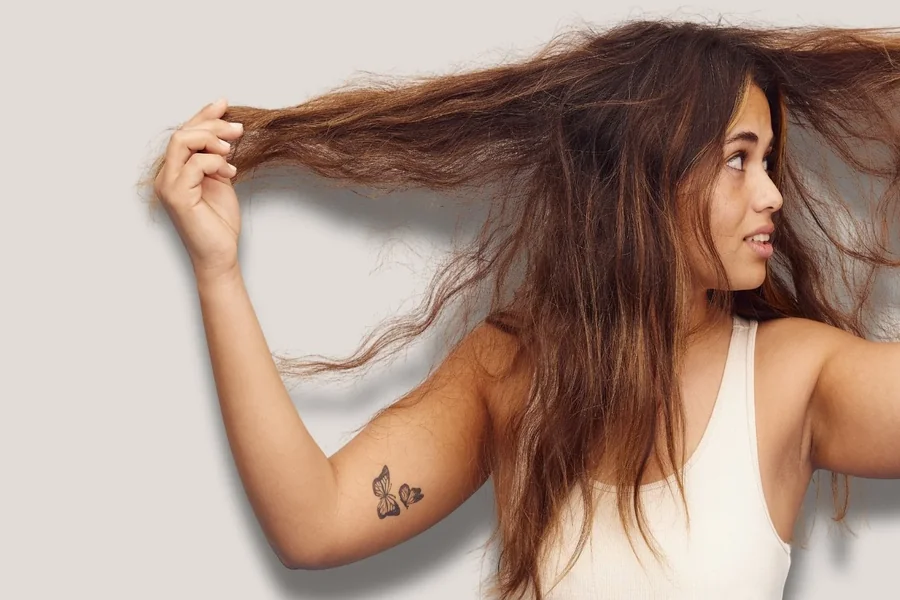
Hair is far more fragile when wet than when dry, and how you dry it can shape everything from breakage and frizz to scalp comfort and overall appearance over time. The goal isn’t to swear off heated styling entirely — a hair dryer can genuinely come in handy when you’re short on time, as long as it’s used with sensible settings and a bit of technique. This article walks through choosing the right drying method, prepping your hair properly, and adjusting your approach based on hair type and condition.
Why Hair-Drying Technique Matters
Cutting back on unnecessary heat, friction, and mechanical stress matters far more than rigidly sticking to any one routine. Even small tweaks to how you handle wet hair can add up to a noticeable reduction in cumulative damage.
What Can Damage Hair During Drying
Heat exposure can weaken the hair shaft over time, contributing to dryness, brittleness, and breakage. Occasional heat styling tends to leave only temporary effects, but frequent, intense exposure builds up. And higher temperatures don’t necessarily do a better job — for everyday drying, they’re often simply unnecessary.
Water and mechanical stress play a role too. Rubbing wet hair vigorously with a towel creates friction that encourages tangling and breakage, since hair is more prone to stretching and structural damage while saturated. It’s worth noting that this kind of shaft damage is distinct from medical hair loss originating at the follicle, which stems from different causes and calls for its own kind of attention.
Individual factors matter just as much. Bleaching, chemical treatments, existing breakage, fine strands, tight curls, and a sensitive scalp all raise your risk. Your hair’s texture and condition should really guide your drying method — there’s no single approach that works for everyone.
Prepare Hair Before Drying
Before you reach for any heat, press or wrap wet hair in a soft, absorbent towel instead of rubbing it dry. This cuts down on excess moisture and shortens the time you’ll need to spend under heated airflow. Microfiber cloths can help with this, though they’re not strictly necessary.
Detangle gently with a wide-tooth comb, starting at the ends and working your way up to minimize pulling. Straight hair is often easiest to comb once it’s partially dried, while textured or curly hair tends to detangle best while still damp.
A heat-protective product can reduce some damage, but it’s no guarantee — follow the instructions on the label rather than assuming it gives you a free pass for unlimited heat exposure. Keep an eye out for product buildup or scalp irritation too, since these can make certain formulas unsuitable for your hair.
Before you dry:
Gently remove excess water
Detangle carefully, starting from the ends
Apply a suitable protective product if desired
Choose the lowest effective heat setting
Air-Drying vs. Heated Drying
Air-drying limits direct heat exposure and works well whenever time allows, though leaving hair wet for extended stretches isn’t automatically the healthier choice for everyone — prolonged dampness can mean more tangling and, for some people, scalp discomfort.
Heated drying earns its keep in cold weather, under time pressure, or when wet hair simply becomes unmanageable. Used with moderate, controlled heat, it fits comfortably into a balanced routine. Neither method wins outright; a sensible middle ground is to air-dry partially when you can and finish the job with brief, controlled heat.
Safer Heated-Drying Technique
Start on low or medium heat and only turn things up if it’s truly needed. A cool airflow setting can finish the job comfortably, which is especially useful for sensitive scalps. Keep the hair dryer moving rather than parking it over one section, and avoid pressing the tool directly against your hair or scalp.
Tailor your approach to your hair type: straight or fine hair does best with lower heat and shorter sessions; wavy or curly hair benefits from minimal brushing and a diffuser attachment; thick hair should be sectioned off after removing excess water; and chemically treated or already-damaged hair calls for extra caution and less frequent heat styling overall.
Stop right away if your scalp starts feeling painfully hot or irritated. And if you notice persistent scalp symptoms, sudden hair loss, or significant breakage, that’s a cue to seek professional advice rather than simply swapping tools.
Example: Someone with thick, color-treated hair might towel-blot first, let their hair air-dry partway, then divide it into sections and finish with moderate, moving heat — cutting down total drying time while limiting direct exposure.
Common Hair-Drying Mistakes to Avoid
1.Rubbing wet hair aggressively with a towel
2.Starting with the highest heat setting
3.Holding hot airflow over one area too long
4.Repeatedly brushing through wet, tangled hair
5. Heat-styling immediately after chemical processing
6. Treating protectants as permission for unlimited heat
7. Sleeping with very wet hair regularly
8. Ignoring persistent scalp pain, itching, or unusual shedding
Building a Sustainable Routine
Check in on your hair’s condition every few weeks rather than sticking to some fixed schedule. Watch for split ends, rough texture, loss of curl definition, or scalp discomfort, and dial back how often you use heat when these show up. Clean any removable filters or attachments as directed so airflow stays consistent. If symptoms persist or seem unusual, it’s worth consulting a board-certified dermatologist rather than relying solely on self-care tweaks.
Key takeaway: Lower heat, shorter exposure, gentle handling, and adapting to your hair’s condition matter far more than chasing one universally “correct” drying method.
A Practical Routine for Most Readers
Blot excess water gently, detangle according to your hair’s texture, let it air-dry for a while when practical, then use the lowest heat setting that still dries efficiently, keeping the airflow moving the whole time. Finish with cooler air if that feels comfortable, and ease off on frequency if your hair starts feeling brittle or more prone to breakage.
Final Takeaway
Healthier drying comes down to reducing avoidable heat and friction, not eliminating heated tools altogether. Avoid vigorous towel rubbing, adapt your technique to your hair’s texture and condition, and remember that persistent symptoms call for professional advice rather than more products or gadgets. Pay attention to how your hair responds, make one or two lower-stress changes, and reassess your routine as needed.







1 thought on “How to Dry Your Hair Without Causing Unnecessary Damage”
Comments are closed.