

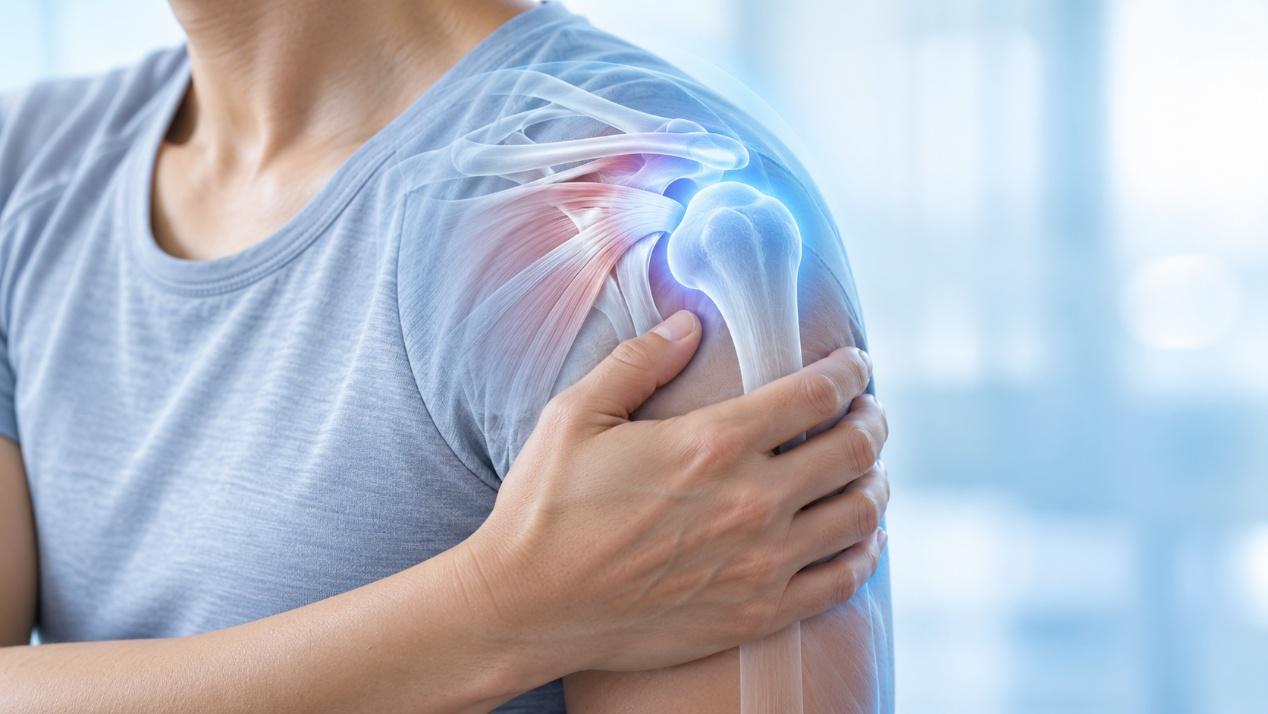
Shoulder arthroscopy is a modern, minimally invasive surgical technique used for the diagnosis and treatment of a wide range of shoulder conditions. The shoulder is one of the most complex joints in the human body and offers a greater range of motion than any other joint. This exceptional mobility, however, comes at the expense of stability, making the shoulder more vulnerable to injuries, tendon disorders, instability and degenerative conditions.
What Is Shoulder Arthroscopy?
Although arthroscopy was initially used mainly for diagnostic purposes, it has gradually developed into an effective surgical method for treating many shoulder problems. It was first widely used in professional athletes, but today it is also commonly performed in people who experience shoulder pain, stiffness or functional limitations in everyday life.
During shoulder arthroscopy, the surgeon inserts a small camera, known as an arthroscope, into the joint. The image from inside the shoulder is transferred to a high-resolution monitor and can be magnified approximately twenty times. This allows the surgeon to examine the anatomical structures of the joint in detail and identify even small lesions that may require treatment.
How Is Shoulder Arthroscopy Performed?
The procedure is performed under general or regional anaesthesia. Modern anaesthetic techniques, combined with improvements in surgical equipment, have contributed to shorter procedures and a smoother postoperative recovery.
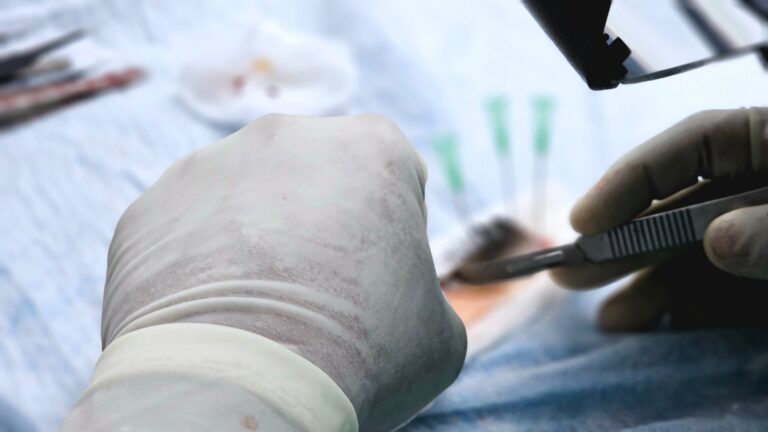
The arthroscope and the surgical instruments are introduced into the shoulder through small incisions measuring approximately 5 mm. Through these openings, the surgeon can inspect the joint and perform the necessary repair using specially designed fine instruments, sutures and anchors when required.
Because the surrounding healthy tissues are minimally disturbed, shoulder arthroscopy is associated with less surgical trauma compared with older open procedures. The small incisions also provide a better cosmetic result and usually cause less postoperative pain. In many cases, the patient can leave the hospital only a few hours after the operation.
Main Advantages of Shoulder Arthroscopy
One of the most important benefits of shoulder arthroscopy is that it combines high diagnostic accuracy with minimally invasive treatment. The surgeon has direct visual access to the joint, which makes it possible to assess the shoulder structures in detail and treat the problem during the same procedure.
Other advantages include smaller surgical wounds, fewer complications compared with traditional open surgery, less postoperative discomfort and a shorter recovery period. Since the incisions are very small, the resulting scars generally become barely noticeable after several months.
The reduced tissue damage can also limit the need for strong pain medication and anti-inflammatory drugs after surgery. Overall, the technique aims to provide effective treatment while causing as little disruption as possible to the surrounding tissues.
Which Conditions Can Be Treated?
Shoulder arthroscopy can be used to treat many different shoulder disorders. These include partial, complete or massive rotator cuff tears, subacromial impingement syndrome, calcific tendinitis and injuries involving the long head of the biceps tendon.
It may also be performed in cases of labral tears, including SLAP lesions, recurrent shoulder dislocations, non-traumatic instability and certain cartilage injuries. Other possible indications include synovitis, suprascapular nerve compression, selected intra-articular fractures and the presence of loose bodies inside the joint.
Another condition that may be treated arthroscopically when conservative treatment is not effective is frozen shoulder.
What Is Frozen Shoulder?
Frozen shoulder, also known as adhesive capsulitis, is a condition characterised by significant stiffness and pain in the shoulder. The joint capsule becomes increasingly tight and rigid, while adhesions may develop within the joint. In some cases, the amount of joint fluid is also reduced.
The condition is more commonly seen in people between 40 and 60 years of age and appears more frequently in women. People with diabetes or thyroid disorders have a greater risk of developing frozen shoulder. It may also occur after a period of shoulder immobilisation following surgery, fracture or another injury.
The main symptoms are intense pain and a progressive limitation of shoulder movement. Both active movement, performed by the patient, and passive movement, performed by the doctor during examination, may be restricted.
The Three Stages of Frozen Shoulder
Frozen shoulder usually develops gradually and progresses through three stages.
During the first stage, commonly described as the freezing stage, pain progressively increases and shoulder movement becomes more limited. This phase may last approximately six to nine months.
In the second stage, pain may begin to improve, but stiffness remains. During this period, which can last approximately four to six months, simple daily tasks can become particularly difficult.
The third stage is the recovery phase. Shoulder mobility gradually improves and the joint starts regaining its normal function. Complete recovery may take several months and, in some cases, up to two or three years.
Treatment of Frozen Shoulder
Treatment focuses on reducing pain and restoring movement and strength. Many patients improve with non-surgical treatment. Options may include non-steroidal anti-inflammatory medication, steroid injections, stretching of the joint capsule with saline and physiotherapy.
Physiotherapy plays an important role in the recovery process. Stretching exercises and range-of-motion exercises are used to improve shoulder mobility, while heat may occasionally be applied before stretching to help relax the shoulder.
When symptoms persist despite conservative treatment, surgery may be considered. The most common procedures are manipulation under anaesthesia and shoulder arthroscopy. During arthroscopy, the surgeon can directly visualise the adhesions and release them using specialised instruments.
Recovery After Shoulder Arthroscopy
Recovery following shoulder arthroscopy depends on the condition being treated, the extent of the damage, the quality of the surgical repair and the patient’s response to rehabilitation.
The rehabilitation programme generally progresses through three stages. The first stage focuses on healing and protection of the operated tissues. The next stage aims to restore the shoulder’s range of motion. The final stage focuses on rebuilding strength.
Exercises usually begin with passive movements, followed by assisted active exercises. Active exercises and resistance training are introduced later. The purpose is to gradually restore mobility, improve muscle strength and support a safe return to everyday or athletic activities.
After surgery for frozen shoulder, physiotherapy and mobilisation are especially important to preserve the range of motion gained during the procedure. Full recovery may take from approximately six weeks to three months, although many patients return to normal daily activities much earlier.
Specialist Shoulder Care
If shoulder pain, stiffness or limited movement affects your everyday activities, proper assessment can help determine the cause and the most appropriate treatment.
For personalised evaluation and treatment, contact Dr Emmanouil Brilakis, orthopaedic surgeon specialising in shoulder procedures and shoulder surgery.






2 thoughts on “Shoulder Arthroscopy and Frozen Shoulder: Modern Treatment for Pain and Stiffness”
Comments are closed.