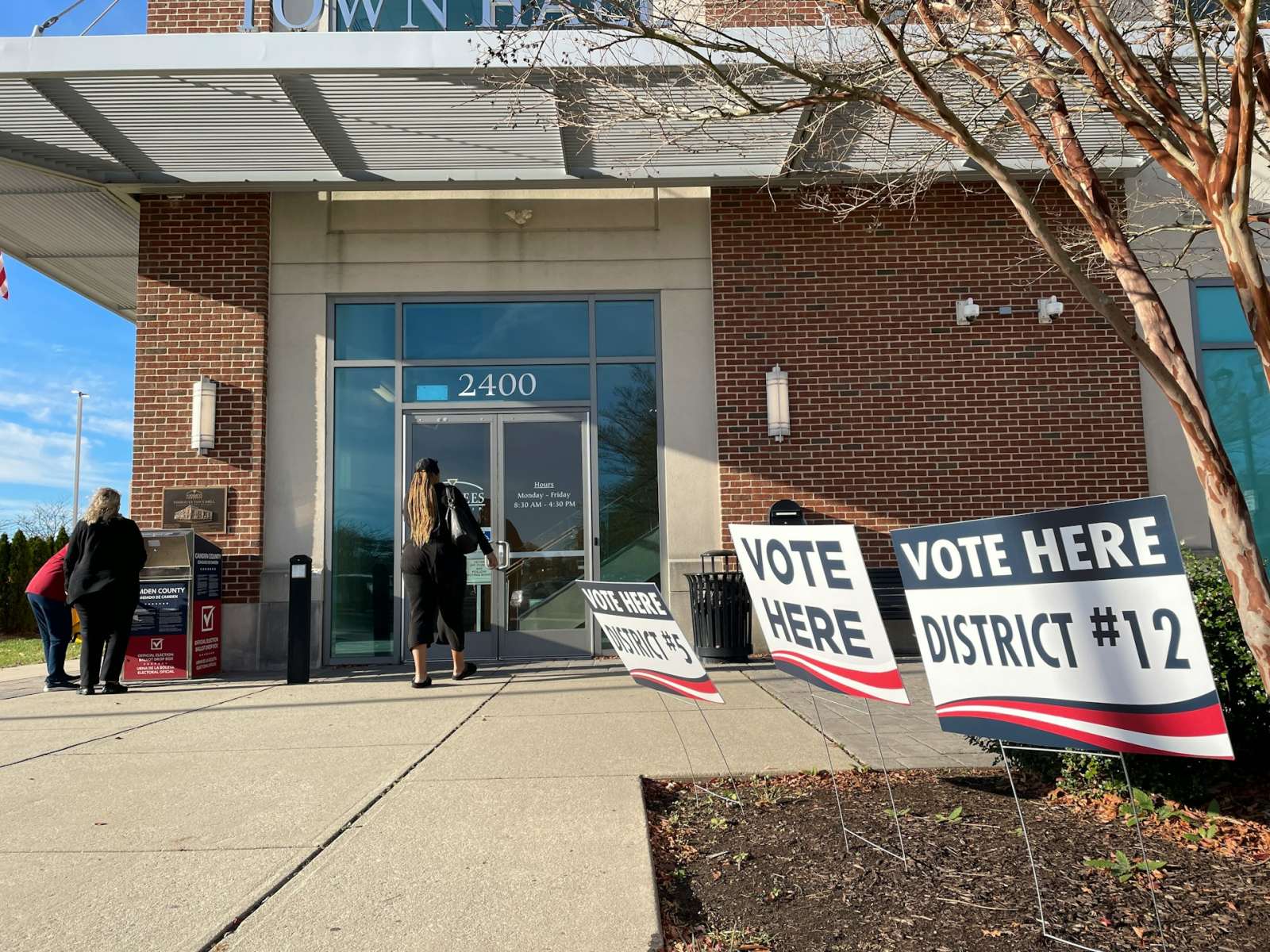
Every November, millions of Americans head to the polls in an ordinary act that took generations to secure. It's easy to treat voting as something that simply happens on a Tuesday every couple of years. However, the right itself has a long, hard-won history.
Much of that history runs directly through military service. Time and again, the people who put on a uniform also became part of the push to widen who gets a voice in American government.
That connection still shows up today in small, visible ways, including how people choose to dress on Election Day.
How Patriotic Shirts Became an Election Day Tradition
Something as simple as what you wear on Election Day carries more meaning than most people realize. Across the country, people reach for red, white, and blue on the first Tuesday in November as a small nod to civic pride.
Patriotic shirts are an easy way to join in. Wearing one is similar to wearing a poppy on Memorial Day. It is a quiet signal that you showed up and took the day seriously.
That instinct to mark the occasion didn't appear out of nowhere. It traces back to a much larger story about who has been allowed to vote in America, and how often military service helped change that.
How Did Military Service Help Expand Voting Rights?
For much of American history, the right to vote was far narrower than it is today. Expanding it almost always required pressure from people organizing, demonstrating, and serving their country. Military service repeatedly became part of that pressure, especially during wartime.
That contradiction came to a head during the Vietnam War era.
The sight of 18-year-old soldiers fighting overseas while still unable to vote at home became a rallying point that helped push the 26th Amendment to ratification faster than any other amendment in U.S. history. The phrase "old enough to fight, old enough to vote" captured an argument lawmakers found hard to ignore.
That same thread runs through other chapters of voting rights history. Service members and veterans have long been part of the coalition pushing to broaden who gets a say, treating the ballot box as an extension of the commitment they made in uniform.
This pattern reaches back further than Vietnam. In the years after the Civil War, formerly enslaved men who had served the Union cause helped drive the argument that citizenship and voting rights should extend to Black Americans.
Decades later, the women who supported the war effort during World War I added momentum to the campaign that became the 19th Amendment. In both cases, service and sacrifice strengthened the case for a wider vote.
What Makes Election Day Feel Like a Civic Tradition?
Voting is the heart of Election Day, but tradition is built from smaller habits, too. Some people bring their kids along, so voting becomes a familiar sight early in life. Others treat it as a reason to check in with neighbors about what's on the ballot.
For veterans and their families, that sense of tradition often carries extra weight. The Department of Veterans Affairs treats access to clear, reliable voting information as part of its broader commitment to supporting the people who served, by pointing veterans to resources on voter registration, absentee ballots, and polling locations.
Small, visible gestures fit naturally into that same spirit. Choosing something patriotic to wear, talking with family about the ballot, or simply showing up early can turn one day into a shared civic habit rather than just an errand.
None of this requires a grand statement. A shirt, a conversation, or a few extra minutes at the polls can carry real weight when it comes from an understanding of what the day actually represents. Traditions like these tend to stick because they're easy to repeat every cycle, not because they demand much effort in the first place.
Small Gestures, Lasting Respect
Voting is a right many generations fought hard to secure, and it remains one of the clearest ways ordinary people shape the country they live in. The history behind that right is long, uneven, and full of people who pushed for it long before it applied to them.
Remembering that history doesn't require anything elaborate. It can be as simple as showing up to vote, encouraging someone else to do the same, or wearing a small reminder of the sacrifices that made the ballot possible. Election Day feels a little more meaningful when it's treated less like an obligation and more like an inherited privilege worth honoring.
Every ballot cast carries a piece of that longer story forward, whether or not the person casting it stops to think about it. Taking even a moment to acknowledge it is a fitting way to spend Election Day.