Key Takeaways
- Rheumatoid arthritis can cause joint pain, swelling, stiffness, fatigue, and changes in daily function.
- Diagnosis relies on the full clinical picture, including symptoms, examination findings, blood tests, and sometimes imaging.
- Early evaluation and an individualized treatment plan can help manage symptoms and reduce the risk of joint damage.
- Tracking symptoms, questions, medicines, and possible flare patterns can make appointments more productive.
- Movement, rest, sleep, smoking cessation, and practical joint-protection strategies can complement medical care.
Rheumatoid arthritis is a long-term autoimmune condition in which the immune system attacks tissues in and around joints. Pain and stiffness can make routine activities harder, but timely care and a clear plan can help people protect function and stay engaged in daily life. People interested in research options can explore information on rheumatoid arthritis clinical studies and discuss whether participation is appropriate with their health care team.
Symptoms are not identical for everyone, and joint pain has many possible causes. Persistent, worsening, or disruptive symptoms deserve professional evaluation rather than self-diagnosis, especially when swelling, warmth, or reduced movement is involved.
Why Early Symptoms Deserve Attention
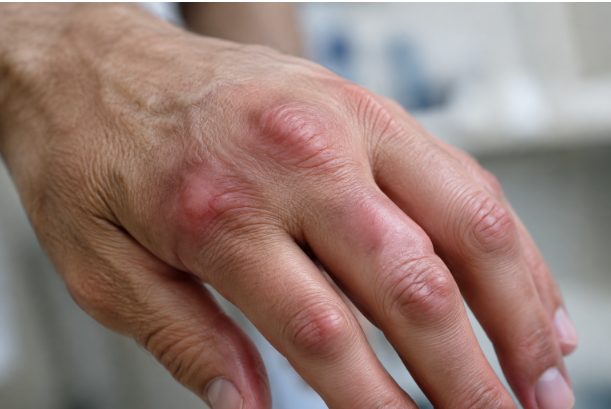
Rheumatoid arthritis may begin gradually, with symptoms that are easy to dismiss as overuse or ordinary aches. Common signs include tender or swollen joints, warmth, morning stiffness that lasts after getting up, fatigue, and difficulty with tasks such as making a fist, opening a jar, buttoning clothes, or gripping a toothbrush. Symptoms often affect matching joints on both sides of the body, particularly in the hands, wrists, and feet, although patterns vary.
Inflammation can damage joints over time when the disease is not adequately controlled. The joint symptoms associated with rheumatoid arthritis can include pain at rest or with movement, swelling, and stiffness, which is why an early conversation with a clinician matters.
How Rheumatoid Arthritis Differs From Other Joint Problems
Rheumatoid arthritis is different from osteoarthritis, often called wear-and-tear arthritis. RA involves immune-mediated inflammation in the joint lining. Osteoarthritis is commonly associated with changes in cartilage and may be linked with aging, previous injury, or repeated joint stress. Both can cause pain and limited movement, so an accurate assessment is important.
- RA may cause visible swelling, warmth, and prolonged stiffness after rest.
- RA may involve similar joints on both sides of the body.
- Fatigue, low-grade fever, or changes in appetite can occur with RA.
- Other inflammatory, infectious, and mechanical conditions can resemble RA.
What Happens During the Diagnostic Process
There is no single test that confirms or rules out rheumatoid arthritis in every situation. A clinician considers the whole pattern of symptoms and may refer a patient to a rheumatologist, a doctor who specializes in arthritis and related conditions.
- Medical history: Questions may cover when symptoms began, their pattern, family history, prior illnesses, and current medicines.
- Physical examination: The clinician may check joints for tenderness, swelling, warmth, range-of-motion changes, rashes, or nodules.
- Blood tests: Tests can look for inflammation and certain antibodies that may support the diagnosis.
- Imaging: X-rays or ultrasound may help assess the joints and rule out other explanations for symptoms.
- Follow-up: Because symptoms and test findings can develop over time, additional visits may be needed.
How to Prepare for a Health Care Visit
A brief record can help turn vague discomfort into useful information. Bring notes, photos of any swelling if it comes and goes, and a complete list of medications and supplements.
- Write down when symptoms started and whether they came on gradually or quickly.
- List painful, swollen, stiff, or warm joints.
- Record how long morning stiffness lasts.
- Note fatigue, sleep problems, fever, appetite changes, or symptoms outside the joints.
- Describe activities that have become difficult at home, work, or school.
- Prepare questions about tests, treatment goals, side effects, and follow-up timing.
Questions Worth Asking About Treatment
Treatment is individualized. A plan may reflect disease activity, other health conditions, pregnancy considerations, past treatments, personal preferences, and the need for ongoing monitoring.
- What condition is most likely causing my symptoms?
- What do my examination, blood test, and imaging results mean?
- What is the goal of treatment, and how will progress be measured?
- When should I expect a response, and when should I contact the office sooner?
- What side effects or infection symptoms should I report?
- Do I need vaccines, screening tests, or regular laboratory monitoring?
- Would physical therapy or occupational therapy be helpful?
Building a Useful Symptom and Flare Log
A simple paper note, phone note, or calendar entry is enough. The goal is not to track every moment, but to identify useful patterns for the next appointment.
- Pain: Record location, severity, and time of day.
- Stiffness: Note when it occurs and how long it lasts.
- Swelling: Identify joints that look or feel different.
- Energy and sleep: Track fatigue and sleep quality.
- Daily function: Note tasks that became easier or harder.
- Possible triggers: Include illness, stress, missed doses, or unusual physical demands.
Daily Habits That May Support Joint Health
Daily habits do not replace prescribed treatment, but they can support comfort, mobility, and independence. The ways rheumatoid arthritis can affect the body also show why new symptoms beyond the joints should be shared with a clinician.
- Choose comfortable, low-impact movement such as walking, swimming, cycling, or guided stretching.
- Use pacing by alternating activity with planned rest instead of pushing through exhaustion.
- Maintain a consistent sleep routine when possible.
- Choose balanced meals that include vegetables, fruit, whole grains, and protein sources.
- Avoid smoking, and ask for help if quitting is difficult.
- Consider tools, supportive grips, or home adjustments that reduce stress on painful joints.
Planning for Flare-Ups and Urgent Symptoms
A flare is a period when symptoms become more intense. Follow the care plan developed with the treatment team, avoid changing prescribed medications without guidance, temporarily reduce demanding tasks, and ask for help with transportation, meals, work duties, or household needs when necessary.
A suddenly hot, very swollen joint with fever may require urgent evaluation, as infection can cause similar symptoms. Seek emergency care for chest pain, severe trouble breathing, sudden weakness, or signs of a serious allergic reaction to medication. Contact the care team promptly when pain, swelling, or loss of function worsens or interferes with basic activities.
Common Questions
Can rheumatoid arthritis start suddenly?
Symptoms often develop over time, but some people notice a quicker change in pain, swelling, stiffness, or fatigue. A sudden, severe problem, especially in a single joint or accompanied by fever, should be assessed promptly.
Can a blood test confirm rheumatoid arthritis?
Blood tests can provide important clues, but they are only one part of a diagnosis. Clinicians combine them with symptoms, examination findings, imaging when needed, and the course of symptoms over time.
Is exercise safe with rheumatoid arthritis?
Appropriate physical activity can support strength, flexibility, and daily function. The type and amount should be adjusted to current symptoms and discussed with a clinician or therapist when pain or joint damage limits movement.
Conclusion
Rheumatoid arthritis care works best as an ongoing partnership. Recognizing early changes, preparing for appointments, tracking symptoms, and following a personalized plan can make decisions more manageable. Reliable information is useful, but persistent, new, or worsening symptoms still need professional medical attention.