

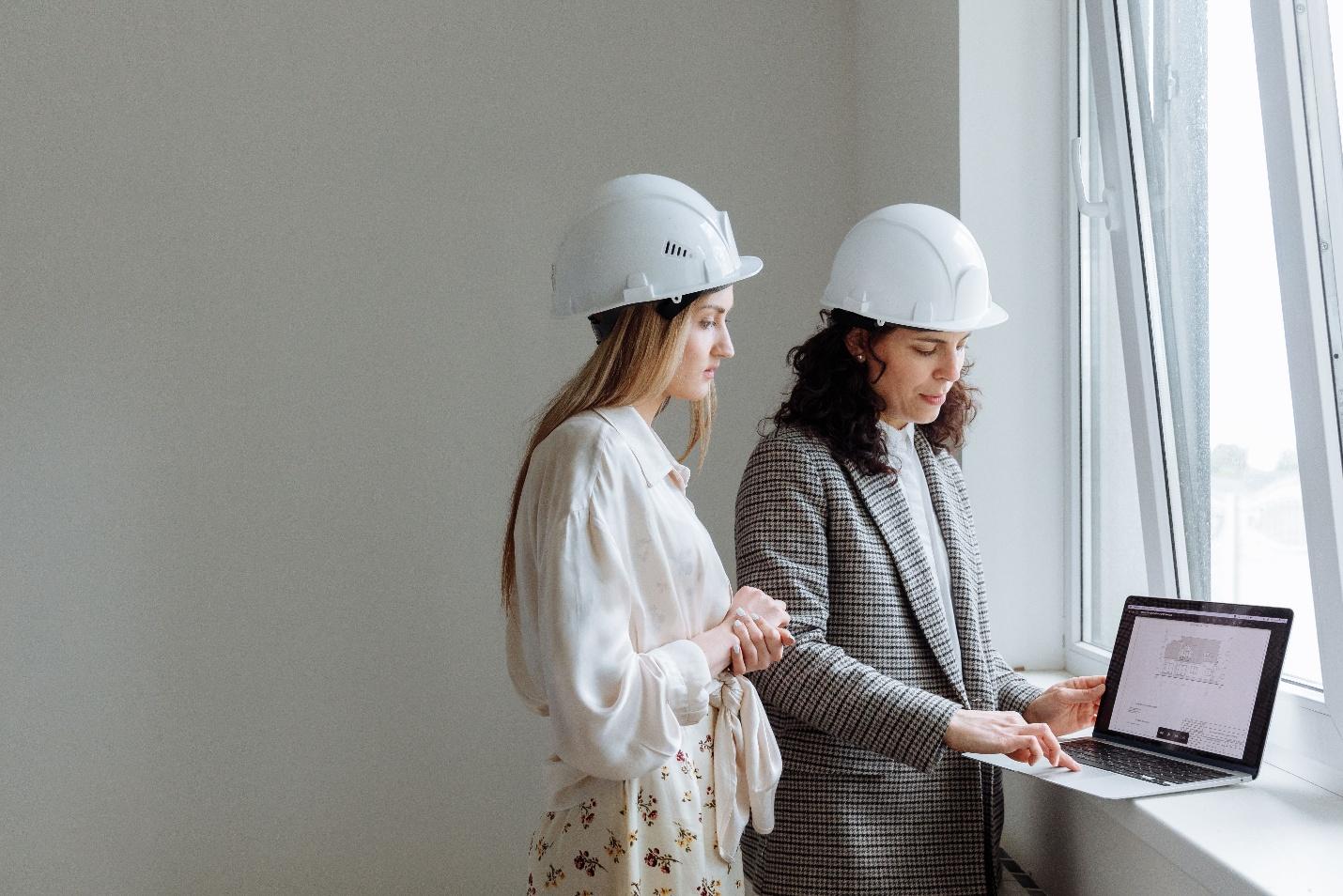
Buying a structure for a home involves more than choosing a design and checking if the advertised price fits the budget. A residential structure is a long-term investment. Its materials, foundation, installation, maintenance, and lifespan all influence its real value.
Homeowners who evaluate only the initial purchase price may encounter later costs. A better decision comes from examining the structure as a whole and considering how it will perform over time. This broader review also helps buyers identify compromises before contracts are signed, when changing the specification is usually easier and considerably less expensive overall.
Materials Shape Performance and Maintenance
The materials used in a structure affect its strength, weather resistance, appearance, and upkeep. Steel can provide durability and resistance to pests, but its coating, gauge, fasteners, and protection against corrosion still require attention. Wood can offer a familiar look and customization, although moisture, insects, and routine treatment may increase maintenance. Fabric-covered systems can be installed quickly, but exposure to sunlight, wind, and damage can limit the covering’s service life.
Utilizing a Quonset hut comparison should give an overview of how someone can determine the right building system. Buyers should consider panel thickness, connections, finishes, insulation, and component compatibility. The shell cannot compensate for weak fasteners, poor drainage, or an unsuitable foundation.
Local conditions also matter. A material that performs well in a dry climate may require protection in a humid area. Snow loads, wind exposure, and soil movement should influence the final specification.
The Purchase Price Is Only the Beginning
The advertised cost of a building kit rarely equals the complete project budget. Site work, foundations, permits, delivery, labor, insulation, and finishing can change the total. Some structures may need contractors or lifting equipment, which may not be included in the supplier’s estimate.
Homeowners should create a full installed-cost calculation before purchase. That calculation should include immediate and ownership costs. A lower-priced structure may become expensive if it needs repairs or replacement coverings. A higher initial investment may offer better value when maintenance is limited and components remain serviceable for decades.
Contingency funding is important. Unexpected soil conditions, permit requirements, or drainage improvements can increase the budget. Allowing room for this reduces the risk of compromising quality during construction.
Build Time Depends on the Entire Process
Construction speed can influence labor costs and determine when the space becomes usable. However, a short assembly estimate does not guarantee a short project. Site preparation, permits, foundation curing, delivery, and weather can all affect the timeline.
Simplified systems with repeated components may be assembled efficiently, especially when parts arrive ready for installation. Yet buyers should distinguish between efficiency and haste. Skipping inspections, accelerating foundation work, or installing materials in poor conditions can create hidden defects until after completion.
A realistic schedule should account for every phase, not only the days required to erect the shell. Reliable suppliers and contractors should explain dependencies and identify which tasks can occur at the same time.
Lifespan Determines Long-Term Value
A structure’s expected lifespan should be considered alongside its total costs. Longevity depends on materials, engineering, installation, and maintenance. Even a durable system can deteriorate early if water collects around the foundation or protective finishes are neglected.
Buyers should review warranties carefully because coverage, exclusions, and maintenance terms vary. They should also investigate whether replacement parts will remain available. Proprietary components can create difficulties if the original supplier stops supporting the system.
Adaptability contributes to lifespan as well. A structure that can accept insulation, new doors, interior partitions, or future extensions may remain useful as the household’s needs change.
Evaluate the Structure as One Investment
Making the right purchasing decision requires homeowners to weigh material quality, total cost, construction time, and expected lifespan together. A structure that can be installed quickly may offer poor value if it needs premature repairs or replacement. Equally, a highly durable option may not be practical if extensive site preparation places it beyond the available budget.
Evaluating the structure as a complete investment allows homeowners to compare their options fairly. The aim should not be to secure the lowest initial price, but to choose a building that can be installed correctly, maintained economically, and trusted to perform for years.




1 thought on “Why Every Part of a Structure Should Be Evaluated Before Purchase”
Comments are closed.