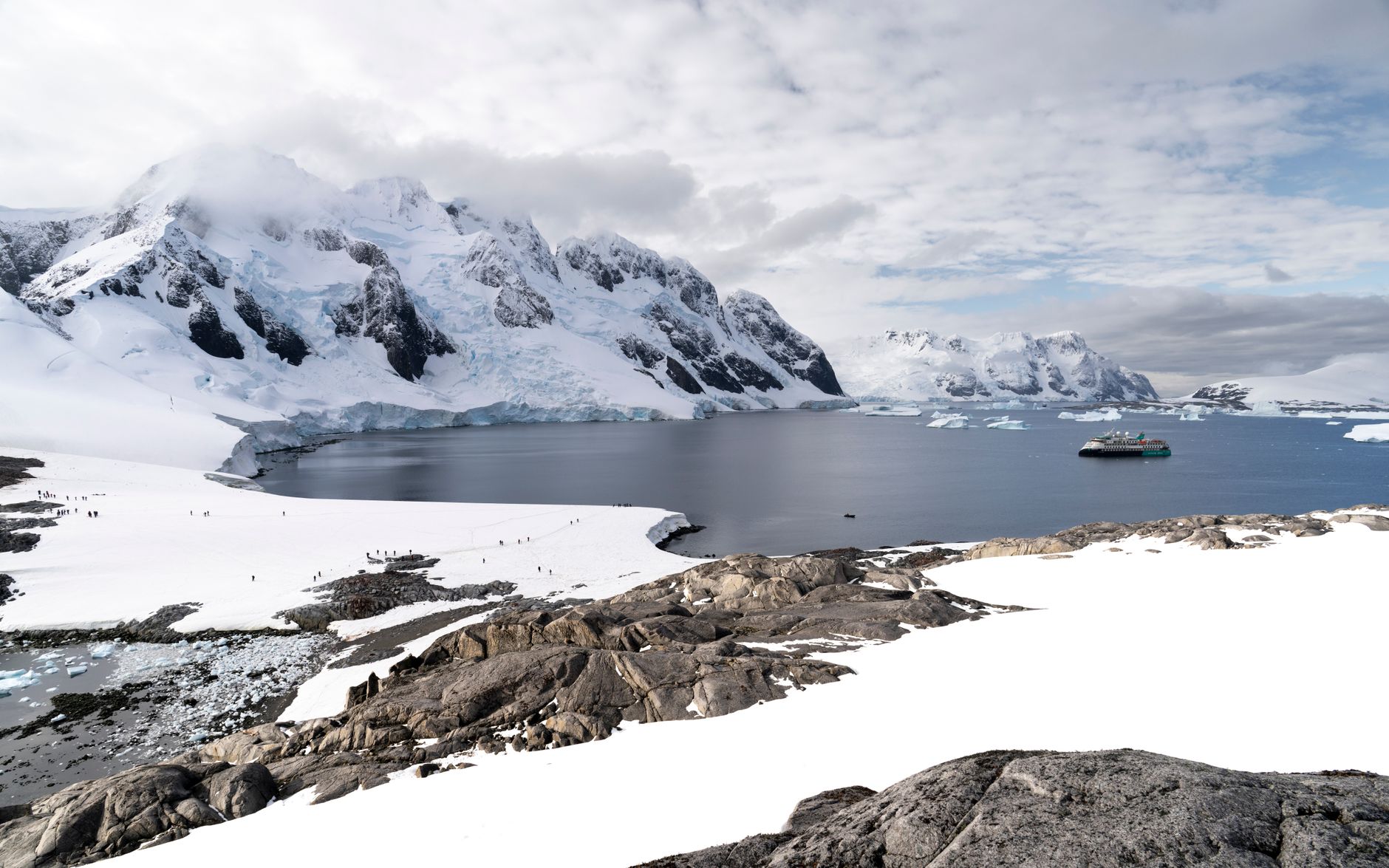
Antarctica rewards curiosity and flexibility. Most travelers picture penguin rookeries, mirror-calm bays, and a tidy schedule that hops between famous names like Neko Harbor, Cuverville Island, and Deception Island. The reality is more dynamic. Expedition leaders read sea ice charts, watch the barometer, and coordinate with other ships while following IAATO guidelines. Your time ashore depends on how swell rolls into a landing beach, how katabatic winds spill down a glacier, and how many passengers your vessel rotates by Zodiac. Understanding these moving parts helps you set smart expectations for what you will actually do each day on the White Continent.
IAATO Rules and Ship Size: How 100 Ashore Shapes the Clock
Most popular landing sites limit 100 people ashore at once under IAATO guidelines, so you’ll see staggered Zodiac shuttles and rotating groups. If you plan to cruise through Antarctica on a 200-passenger vessel, expect split landings or combinations where half the ship hikes among gentoo penguins while the other half takes a Zodiac cruise past blue-tinted brash ice, then they switch. On a smaller expedition ship, rotations can move faster, so individuals may enjoy more time at a single site rather than shorter windows carved into the same tide and daylight constraints.
Ship design also plays a part. A shallow draft helps the captain nudge into protected coves for shorter Zodiac rides, while strong maneuverability aids in tight channels like the Gerlache Strait. However, larger ships may offer stronger stabilizers and amenities such as a spacious mudroom or additional guides. The tradeoff is clear: bigger ships can feel steadier and offer more onboard comforts, but smaller ships make it easier to manage landing quotas and often yield more shore time per person under the same rules.
Sea Ice, Swell, and Katabatic Winds: Why the Plan Changes
Expedition teams build plans around the marine forecast and what they can see. A gentle breeze can turn into a katabatic wind pouring off a glacier, ramping up whitecaps that make Zodiac docking unsafe. Swell might be minimal inside a caldera like Deception Island but roll hard on a more exposed beach at Half Moon Island, forcing a swap from a wet landing to a ship cruise past basalt cliffs and chinstrap rookeries. In the Weddell Sea, fast ice can lock a bay while drift ice clogs approaches, sending the captain to a leeward alternative with lower brash-ice concentration and still-accessible seal haul-outs.
One common scenario: morning plans call for a landing at Cuverville Island, but an unexpected wind shift stacks ice against the preferred beach. The expedition leader pivots to a Zodiac tour among icebergs near Orne Harbor, timing the outing to avoid gustier afternoon hours. By embracing plan B, guests often get unique views of sculpted pressure ridges and surfacing humpbacks instead of spending the day battling unworkable conditions at the original site.
Seasonal Timing: Penguin Cycles, Whales, and Daylight Arcs
What you see changes with the calendar. In November and early December, snowfields look pristine, and Adélie, chinstrap, and gentoo penguins court and build nests. By late December into January, tiny gray chicks appear, skuas patrol for unattended eggs, and colonies become livelier and, at times, muddier. In February and March, humpbacks commonly feed in greater numbers as krill becomes more concentrated, while many penguins begin to molt along rocky beaches, reducing the number of active nest sites but increasing chances to watch close-up feather changes.
Daylight also matters. Midsummer offers long windows that make back-to-back operations feasible, such as a morning shore hike to a viewpoint followed by an afternoon Zodiac cruise under glaciated peaks. Later-season days shorten, but low-angle light can create outstanding photography around icebergs and on glassy evenings. The tradeoff is simple: early trips favor clean snow and nesting behavior, midseason maximizes chicks and long days, and late season leans toward whale encounters and cinematic sunsets.
Zodiac Operations, Wet Landings, and Biosecurity in Practice
Zodiacs are the expedition workhorses. You will sit on the inflatable pontoons wearing a life jacket, waterproof pants, and insulated midlayers, with splash occasionally blowing over the bow. Wet landings mean stepping into ankle-deep water before walking up a cobble beach; dry landings use a rock or small pier. The crew steadies the boat while you swing your legs to the near side and take a two-handed grip. A dry bag keeps camera gear safe from spray, and lens cloths help manage fine salt that clings to glass in misty conditions.
Biosecurity is non-negotiable. Before and after landings, you will brush boot treads, scrub poles and tripods, and dip footwear in a disinfectant bath to prevent seeds or pathogens from hopping between sites. Velcro on gloves and packs should be vacuumed to remove grass or grit from prior trips. A common mistake is wearing cotton jeans or an absorbent hoodie that stays wet and cold after a Zodiac ride; quick-drying base layers, tall rubber boots or ship-issued muck boots, and a shell with taped seams keep you warmer and more focused on the wildlife around you. After outings, hang gear in the mud room to dry thoroughly and wipe salt from zippers with fresh water to keep them gliding smoothly.
Plan by Activity Type, Not Just Place Names
It is tempting to fixate on map pins, but the better filter is what you want to do most. If stepping on the Antarctic continent is your top priority, a Peninsula voyage targeting Neko Harbor, Paradise Bay, or Orne Harbor offers multiple chances to set foot on the mainland, plus island landings in the South Shetlands. If wildlife density is your driver and you have more time, adding South Georgia and the Falklands delivers vast king penguin colonies and albatross, balanced against long days underway across the Scotia Sea.
Consider logistics, too. Sailing both ways across the Drake Passage adds open ocean time that some travelers love for seabird watching from the bridge wings. Others prefer a fly cruise that shuttles to King George Island so they can start exploring sooner, trading ocean days for more time among ice and mountains. Activity programs such as kayaking, snowshoeing, or camping on shore often have limited slots and strict weather minimums; enroll early and stay flexible. One realistic scenario: a traveler focused on kayaking may shift an afternoon paddle to a scenic Zodiac tour if katabatic winds spike. Another traveler chasing golden light and whales might choose late-season dates for higher humpback activity and moody, low-sun photographs.
The mechanics of an Antarctic expedition are part of the reward. Landing quotas, sea ice, and wildlife cycles do not constrain the experience so much as shape it. If you board knowing how IAATO rules govern rotations, why swell can cancel a beach even on a sunny day, and how the calendar influences penguin chicks and whale sightings, you will read the daily briefing with sharper eyes. With the right layers in the mud room and a flexible mindset, you’ll be ready to make the most of each window the continent offers, from hushed iceberg alleys to raucous rookeries buzzing with life.