

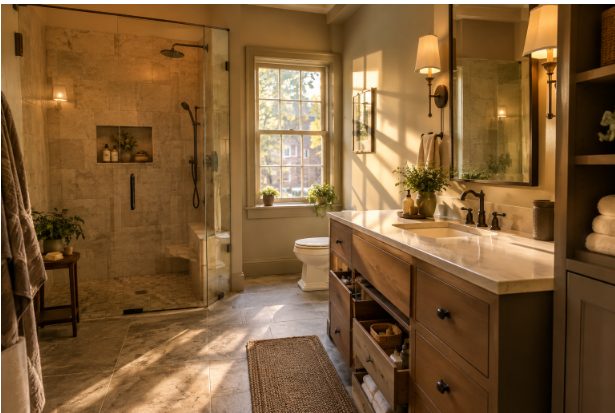
A well-planned bathroom remodel should make the first and last parts of the day run more smoothly. Whether a household needs a better shower, less clutter around the vanity, safer flooring, or a calmer primary suite, the most useful design decisions begin with real routines rather than a passing trend.
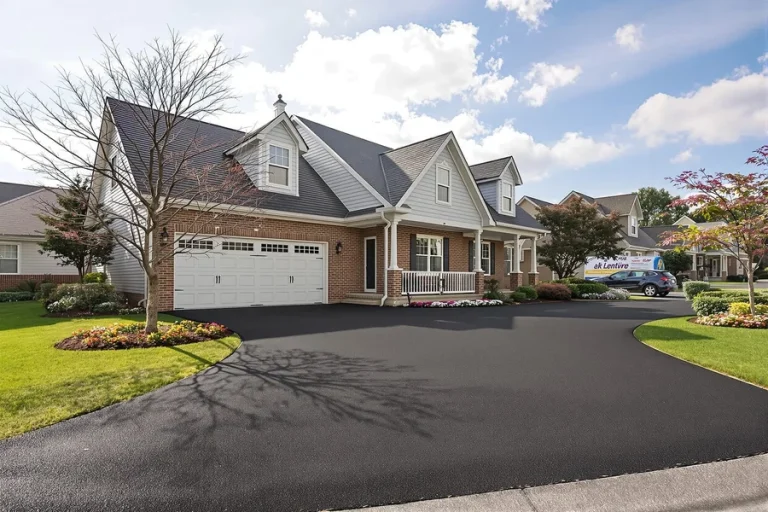
Homeowners considering bathroom remodeling Doylestown PA can look to Buckingham Bath & Home Remodeling for a practical example of a full-renovation approach. The Bucks County company focuses on redesigned layouts, improved storage, lighting, material selections, and accessible bathroom features, with service in nearby Buckingham, Solebury, Warrington, and Warminster. That local remodeling focus is especially relevant when a home has an awkward existing footprint or a bathroom that no longer fits the household.
Start With How Doylestown Homes Are Used
Doylestown and the surrounding Bucks County area include homes with a wide range of ages, room sizes, and renovation histories. A hall bathroom shared by children needs different priorities than a primary bath used as a quiet place to prepare for the day. Before selecting tile or fixtures, make a list of daily frustrations. It may include limited counter space, poor lighting, no place for towels, a rarely used tub, or a shower that feels too confined.
That list creates a better starting point for the entire project. Durable surfaces and easy-clean finishes may matter most in a busy family bathroom. In a primary bathroom, a larger shower, layered lighting, and closed storage may be more valuable. The goal is not to add every possible feature. It is to make the available space work more naturally.
Fix the Layout Before Choosing Finishes
Layout choices affect nearly every other decision in a remodel. Confirm the room measurements, door swing, walking paths, and clearances around the vanity, toilet, and bathing area before falling in love with a particular finish. Even a modest adjustment can make a compact bathroom feel less crowded.
- Identify corners that could hold a narrow cabinet or recessed storage.
- Consider whether a wider shower would be more useful than the existing tub.
- Choose vanity dimensions that leave a comfortable path through the room.
- Review plumbing locations early, because moving supply or drain lines can affect the scope of work.
For example, removing an oversized tub may create room for a more generous shower, a linen cabinet, or a vanity with useful drawers. The best option depends on how the room is used and whether retaining a tub matters to the household.
Add Storage That Keeps Clutter Under Control
Storage is often the difference between a bathroom that looks finished and one that quickly feels overwhelmed. Count the items that need a home, including toiletries, hair tools, medications, towels, cleaning supplies, and extra paper goods. Then plan storage around those items instead of relying on a countertop organizer after the remodel is complete.
- Deep vanity drawers can keep frequently used supplies visible and organized.
- Recessed shower niches can hold soap and shampoo without taking up space on the shower floor.
- Medicine cabinets can add concealed storage near the sink.
- Hooks near the shower and vanity give towels and robes a practical place to land.
- Shallow linen storage can work well near the bathroom entrance.
Use Lighting for Safety and Comfort
One ceiling fixture rarely provides enough useful light for every task. A layered plan can include general ceiling lighting, focused vanity lighting, and low-level illumination for nighttime trips. Placing light on both sides of a mirror, or using an evenly lit mirror, can help reduce harsh facial shadows during grooming.
In bathrooms with small windows or limited daylight, dimmers can add flexibility. Bright light is useful for getting ready, while softer light can make early mornings and evenings more comfortable. Fixtures and electrical components should also be selected and installed appropriately for damp locations.
Plan for Long-Term Accessibility
Planning for accessibility does not mean sacrificing style. A low-threshold shower, handheld showerhead, comfortable built-in seating, lever-style handles, and slip-resistant flooring can fit a contemporary, traditional, or transitional design. Reinforcing walls during construction can also make it easier to add grab bars later if they become useful.
These choices can support people of different ages and mobility levels while also making everyday cleaning and movement through the room simpler. Wide, uncluttered paths and easy-to-reach storage are practical improvements for nearly any household.
Choose Materials for Pennsylvania Conditions
A bathroom has to manage regular water exposure, humidity, and cleaning. Select materials with maintenance in mind, not appearance alone. Slip-resistant flooring, moisture-resistant wall paint, durable cabinet hardware, and well-planned waterproofing are all functional parts of a durable bathroom.
Ventilation deserves the same attention as tile and fixtures. The EPA's guidance on remodeling and indoor air quality notes that bathroom fans should exhaust moisture outdoors rather than into an attic or enclosed space. A properly functioning fan helps manage moisture generated by showers, an important consideration through humid summers and cold-weather temperature changes in Pennsylvania.
Comfort upgrades can remain simple. Heated flooring, a towel bar near the shower, and warm, adjustable lighting can make cold mornings more pleasant without unnecessarily complicating the room.
Set a Realistic Remodeling Budget
Room size, demolition needs, plumbing and electrical changes, waterproofing, cabinetry, tile, fixtures, permits, labor, and the level of customization influence bathroom remodeling costs. Homeowners can keep choices focused by creating three categories before requesting proposals:
- Must-haves: Repairs, safety improvements, and features needed for daily function.
- Nice-to-haves: Upgrades that add comfort or visual impact.
- Future items: Features that can be planned for now and added later if needed.
An itemized proposal helps clarify what is included and makes it easier to fairly compare different scopes. It also reduces the chance that important details are left to assumption.
Choose the Right Remodeling Partner
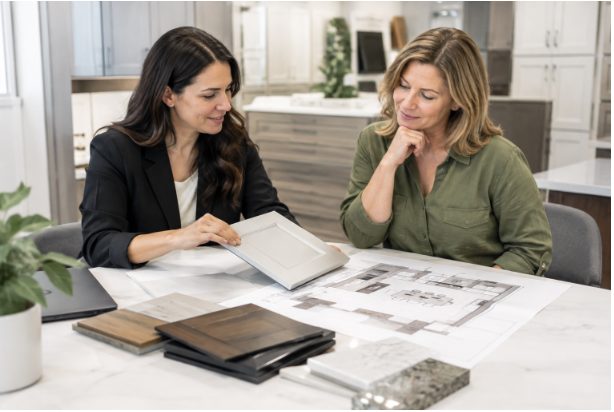
Ask prospective remodelers to explain who will manage the project, how communication will work, and how unexpected conditions will be handled. Review examples of bathrooms with a similar scale or level of finish, and request a written scope, payment schedule, and projected sequence of work.
It is also sensible to verify the contractor's registration, insurance, references, and any local requirements that may apply. Pennsylvania explains that most home improvement contractors must register under the state's consumer protection law, allowing homeowners to use the state's home improvement contractor registration guidance as part of their screening process.
Common Questions About Bathroom Remodeling
How Long Does a Bathroom Remodel Take?
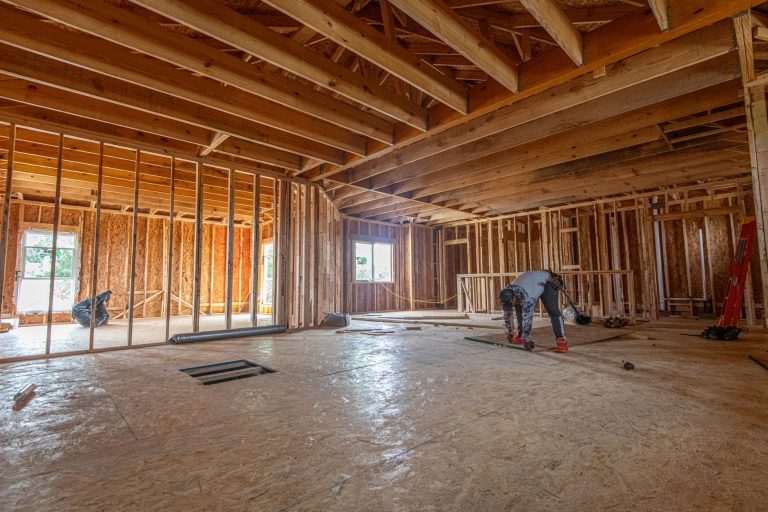
Timing depends on the amount of demolition, inspections, plumbing changes, custom work, and material availability. A complete renovation generally requires multiple construction stages, from demolition and rough work through waterproofing, finishes, and final installation.
Is It Better to Keep the Existing Layout?
Keeping plumbing in place can simplify the project, but the existing layout is not always worth preserving. A change may be worthwhile when the bathroom feels cramped, has poor circulation, or no longer serves the household.
What Should Be Chosen First?
Decide on the layout, shower or tub plan, vanity size, storage needs, and lighting locations before finalizing decorative finishes such as tile color, mirrors, and hardware.
Can a Small Bathroom Feel Larger?
Yes. A clearer floor path, lighter finishes, glass shower panels, wall-mounted storage, and a thoughtful lighting plan can make a compact bathroom feel more open and easier to use.
Conclusion
The strongest bathroom remodels balance visual appeal with daily function. For Doylestown homeowners, thoughtful planning can enhance storage, comfort, lighting, safety, and long-term usability while respecting the home's character and constraints. Start with what is not working now, establish priorities early, and build the project around how the room needs to serve your household for years to come.







1 thought on “Bathroom Remodeling Ideas for Doylestown, PA Homes That Improve Daily Life”
Comments are closed.