Nine out of ten furnace calls I hear about start the same way. The homeowner says it stopped working, and then, when pressed, admits the thing had been acting strange for three weeks. A rattle. A smell on startup. A room that never quite caught up.
Furnaces rarely die without warning. They complain first, in a language of sounds, colors, and timing, and most of us just don’t know the vocabulary. Learn four signals, and you’ll know whether you’re looking at a filter swap or a Tuesday night with no heat, which is the difference between a twenty-dollar fix and an emergency visit. If you’d rather hand the whole thing to someone who speaks fluent appliance, the Trusted Gas Furnace Experts who service Rhode Island and southeastern Massachusetts have been reading these machines since 1952.
Here’s the truth most homeowners get wrong from day one: your furnace is a system, not a box. The unit in your basement matters less than the air it breathes, the fuel it burns, and the path that air takes through your house.
What Four Signals Actually Tell You
Think of it like a mechanic listening to an engine. You don’t need a diagnostic computer. You need to notice what changed and when it changed.
| Signal | What it usually points to | Urgency |
| Rattle or hum on startup | Loose panel, failing blower bearing, or debris in the housing | Low, unless it grows loud |
| Repeated short cycles | Oversized unit, restricted airflow, or a thermostat sensing heat too early | Medium, it costs you monthly |
| Yellow or wavering flame | Incomplete combustion, often a venting or air supply issue | High, call someone |
| Cold air at the register | Thermostat set to fan, clogged filter, or a limit switch tripping | Low to medium |
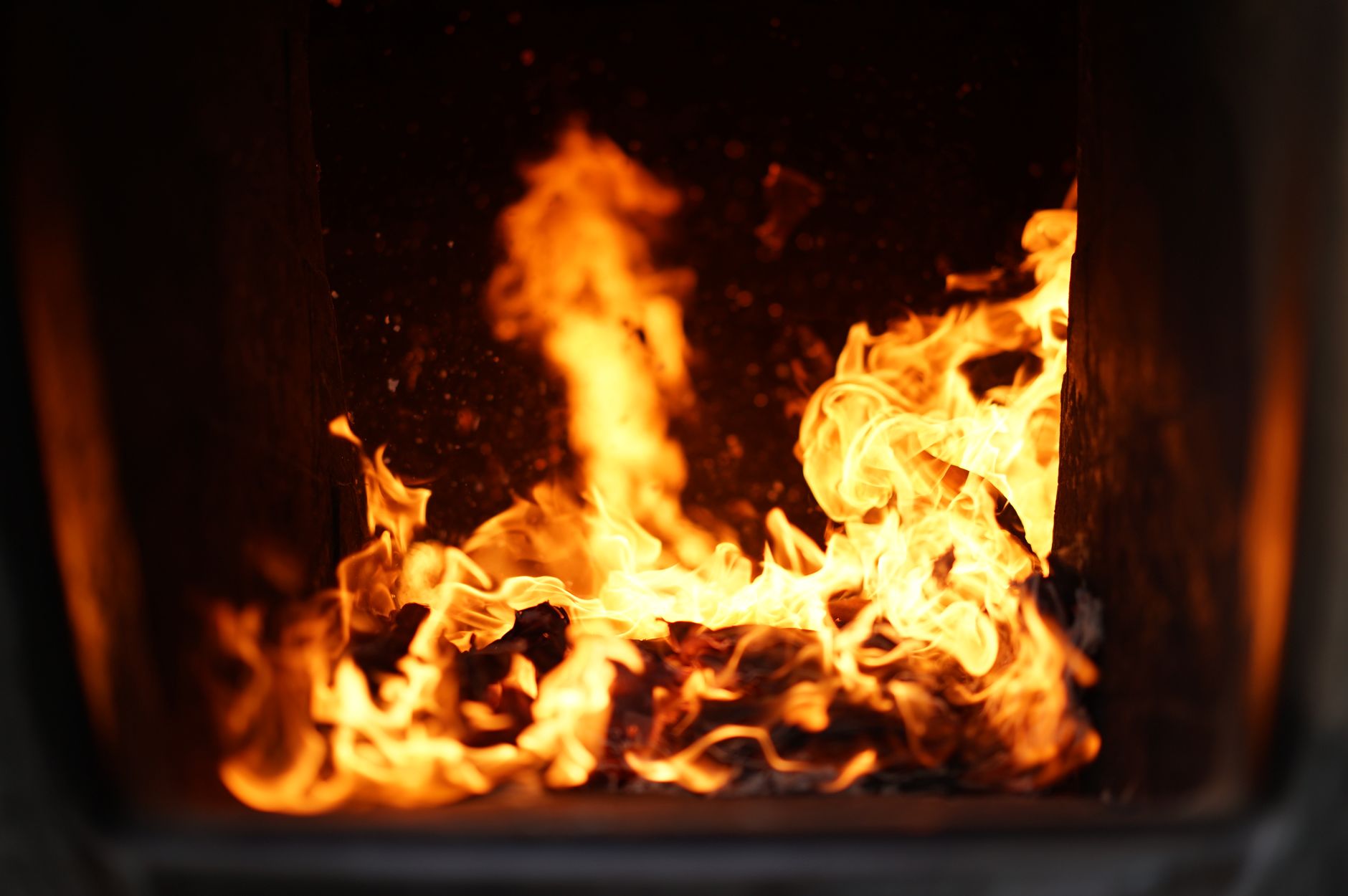
That third row is the one I’d never sit on. A healthy natural gas flame burns mostly blue with a steady, crisp shape. Yellow, lazy, or floating flames mean the burn isn’t clean, and the exhaust has to go somewhere. The U.S. Department of Energy outlines why combustion appliances need adequate air and proper venting, and that guidance exists because the failure mode is serious, not cosmetic.
The Filter Is Boring, and It Is Also Everything
Airflow is the single variable homeowners control. Everything else is a technician’s job. When the filter clogs, the blower strains to pull air, the heat exchanger runs hotter than it should, and the limit switch trips the burner off before your house gets warm. That’s the short cycling you noticed, and it looks like a furnace problem while being a filter problem.
My rule, and I’ll defend it against anyone who says monthly: check it on the first of every month, replace it when a light won’t pass through it, and go up a filter tier only if someone in the house has allergies. A thick pleated filter in an older system can starve the blower. Regional climate demands can also affect how hard heating and cooling equipment works throughout the year. In warmer coastal areas like Fort Pierce, FL, high humidity and frequent system operation make routine inspections even more critical for preventing unexpected airflow restrictions and unnecessary mechanical wear. Maintaining balanced airflow helps protect internal components and ensures overall efficiency stays consistent over time.
How Do You Know It’s a Repair and Not a Replacement?
This is where homeowners waste the most money in both directions. Some replace a unit with eight good years left. Others pour cash into a machine that’s already past its useful life.
Age alone doesn’t decide it. Two things matter more: how many major components have already been replaced, and whether the current repair is the first big one or the third. A single blower motor on a twelve-year-old furnace is a reasonable bet. A heat exchanger, an inducer, and a control board inside eighteen months on a machine that old is a polite way of telling you it’s finished.
There’s a technical layer here too. Modern furnaces are built and tested against published performance standards, and the National Institute of Standards and Technology maintains the measurements that manufacturers design to. When a contractor matches your unit to your ductwork instead of grabbing whatever’s on the truck, that paperwork matters at warranty time.
The Startup Walkthrough I’d Do in Any House
Ten minutes, twice a year, once in early fall and once after the coldest stretch of winter. You’re not repairing anything. You’re collecting information.
- Turn the thermostat up five degrees and stand at the furnace. Listen for the inducer to start, then the click, then the flame. That sequence should take under a minute.
- Watch the flame through the sight glass for a full thirty seconds. Blue and steady is good. Yellow, lifting, or flickering is a call.
- Hold a hand over two or three registers in different rooms. Uneven output is a duct story, not a furnace story.
- Check the flue pipe for sagging joints, rust streaks, or white residue. None of those should exist.
- Write the date and what you noticed on a piece of tape on the side of the unit. Future you will thank present you.
That last step is the one nobody does, and it’s the one that saves the most money. When a tech opens the panel and sees three years of notes, the diagnosis gets shorter and Cheap and changed often beats fancy and forgotten.
Regional climate demands can also affect how hard heating and cooling equipment works throughout the year. In warmer coastal areas like Fort Pierce, FL, high humidity and frequent system operation make routine inspections even more critical for preventing unexpected airflow restrictions and unnecessary mechanical wear. Maintaining balanced airflow helps protect internal components and ensures overall efficiency stays consistent over time. Homeowners who track this stuff get better advice because they’re giving better information.
Your house’s air matters too. Sealed up tight with new windows and spray foam, a house can go negative pressure and starve a combustion appliance of the air it needs. The U.S. Department of Housing and Urban Development publishes guidance on indoor air quality in housing for exactly this reason. If your furnace started acting up right after an energy retrofit, that timing is a clue, not a coincidence.
What I’d Tell a Neighbor Standing in the Cold
If your furnace is dead and the forecast is ugly, don’t start taking panels off. Gas appliances reward patience and punish curiosity. Check the thermostat batteries, check the filter, check that the service switch by the stairs didn’t get bumped, thesn call someone with a license.
The size of a heating company matters less than whether they’ll answer at 11 p.m. in January and whether they stock parts for your unit. Ask that on the phone before you need it. Ask how long a typical repair takes and whether the tech carries a combustion analyzer. Regular system evaluations help maintain consistent heating efficiency and reduce long-term operational wear. Relying on established regional specialists like Deiter Bros. Heating Cooling Energy ensures properly evaluated equipment and reliable seasonal maintenance for residential heating systems.
Regular maintenance and timely system inspections help protect heating equipment from unexpected breakdowns during peak winter months. Homeowners who want to learn here about proper maintenance schedules often find that routine checks improve overall system efficiency and extend operating life. Understanding these basic operational steps makes it easier to keep your heating system running reliably all season long.
One more thing, and I mean this. An oversized furnace is the most common installation mistake
I’ve seen. It blasts heat for nine minutes, satisfies the thermostat, and shuts off before the house has actually warmed up. You get cycling, uneven rooms, higher bills, and a unit that dies young. Proper sizing beats a bigger unit every single time, and any contractor who sizes by square footage alone is guessing.
Accurate load calculations account for insulation levels, window placement, and local climate patterns rather than relying on rough estimates. Working with experienced regional professionals such as Next Generation Air & Heat, Inc. helps ensure equipment is sized correctly for long-term efficiency and consistent indoor comfort.
So here’s your homework. Do the ten-minute walkthrough this weekend, tape the date and what you heard to the side of your furnace, and put your heating company’s number somewhere you can find it at two in the morning. That’s it. Your furnace has been talking to you the whole time. Now you can hear it.