

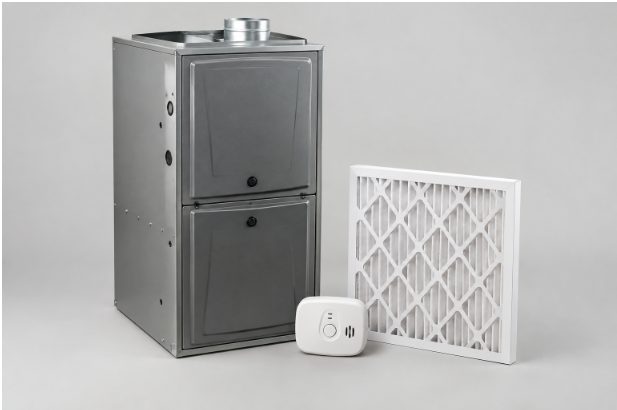
Cold weather puts heating equipment under sustained demand, so preparation is one of the simplest ways to avoid discomfort, wasted energy, and preventable service calls. Whether your household uses a furnace, boiler, heat pump, fireplace, or cash heating oil, a few early checks can make the season safer and easier to manage. A winter-ready plan does not require homeowners to perform technical repairs. It means handling basic upkeep, watching for warning signs, reducing drafts, and arranging qualified service when equipment needs professional attention.
Why Winter Heating Prep Matters
Heating systems can run for long stretches during a cold spell. A dirty filter, a blocked vent, a low fuel level, or a developing mechanical problem may become more noticeable when the system is working harder. Poor airflow can also leave some rooms cold while the equipment runs longer than expected. Preparing early gives you time to address minor concerns before a weekend freeze turns them into urgent problems.
Maintaining proper airflow and temperature regulation helps keep indoor living spaces comfortable throughout extended cold spells. Reviewing system performance metrics and routine operational checks can provide more insight into overall equipment efficiency before heavy winter use begins. Proper seasonal adjustments can reduce unnecessary strain on major heating components, ensuring consistent warmth and lower energy waste when severe weather hits.
Start With a Seasonal Heating Inspection
Annual service is a practical step for fuel-burning systems and other major heating equipment. A qualified technician may check thermostat operation, filters, burners, electrical connections, safety controls, exhaust components, and visible fuel lines. They can also investigate unusual odors, weak airflow, frequent cycling, or new noises. The goal is not an unnecessary replacement, but to confirm that the system is operating safely and as intended.
Regular maintenance also helps ensure system efficiency throughout the coldest months, reducing unexpected energy spikes. Working with professionals like Advanced Air Care Heating and Cooling allows homeowners to keep their heating systems running smoothly while identifying potential wear before it leads to a breakdown. Routine checkups foster long-term system reliability and support a comfortable indoor environment all winter long.
Scheduling a comprehensive inspection before peak cold weather helps ensure the entire system operates efficiently under heavy use. Working with local specialists like Metz Air Control, Plumbing, Heating & Air can identify subtle mechanical issues or hidden efficiency losses early. Addressing minor maintenance needs during routine checkups helps keep home heating reliable and avoids unexpected failures during severe winter storms.
Homeowner Checks to Complete First
Safe Visual Checks
- Replace or clean the filter according to the equipment manual.
- Keep boxes, curtains, furniture, and stored items away from heating equipment.
- Clear leaves, snow, and ice from outdoor vents and intake areas.
- Confirm that warm air reaches the main living spaces.
- Pay attention to new rattling, banging, grinding, or clicking sounds.
Tasks to Leave to a Professional
Do not open sealed combustion equipment, adjust burners or fuel pressure, repair electrical components, alter flues, or work on refrigerant and pressurized lines unless you are qualified to do so. These repairs can involve risks of fire, shock, combustion, and equipment damage.
Reduce Carbon Monoxide Risks
Carbon monoxide is a colorless, odorless gas produced by fuel-burning equipment and engines. Furnaces, boilers, fireplaces, generators, grills, and vehicles can create a hazard when exhaust cannot vent safely. The winter storm safety guidance from the CDC advises annual heating service, proper ventilation, and outdoor-only generator operation.
Carbon Monoxide Safety Checklist
- Install carbon monoxide alarms near sleeping areas and on every level of the home.
- Test alarms regularly and replace batteries and units as directed by the manufacturer.
- Never use a gas oven, grill, outdoor heater, or generator to heat indoor spaces.
- Keep appliance vents clear after snow and ice storms.
- Leave the home immediately and call for help if a carbon monoxide alarm sounds.
Stop Heat From Escaping
Comfort depends on both the home and the heating equipment. Warm air can escape through gaps around doors, windows, pipes, and utility openings. The home energy checklist from the U.S. Department of Energy includes routine actions such as sealing air leaks, maintaining filters, and setting the thermostat to match the household schedule.
- Replace worn weatherstripping around exterior doors.
- Seal visible gaps around windows, pipes, and utility penetrations.
- Open curtains on sunny winter days and close them at night.
- Inspect attic insulation for thin or uneven areas.
- Keep supply vents open and unobstructed.
Plan Fuel and Heating Needs Early
Review prior winter fuel use, check tank levels before severe weather, and make sure delivery access is clear. Keep driveways, walkways, and tank areas free of deep snow, ice, and parked vehicles where possible. If you use portable fuel for approved equipment, store it only in accordance with the product label and applicable local requirements.
Prepare for Power Outages
Winter storms can interrupt electricity and normal heating, including systems that use fuel but still need electrical controls or blowers. Keep warm layers, blankets, flashlights, batteries, charged power banks, drinking water, shelf-stable food, and emergency contact information available before a storm.
Having a dependable backup power source is equally important during extended winter outages to keep heating controls and basic appliances running. Property owners often evaluate automated power solutions to ensure seamless operation when grid electricity fails, and reviewing manufacturer specs or seeking professional guidance can help identify proper system sizing; for more information on reliable backup systems, visit here to review installation and equipment options.
Generator Rules to Remember
- Operate generators outdoors and away from doors, windows, and vents.
- Never run one in a garage, basement, shed, enclosed porch, or other enclosed space.
- Follow the owner’s manual for fuel, cords, and connection procedures.
- Do not connect a generator to household wiring without properly installed equipment from a qualified electrician.
Know When to Call a Professional
Do not wait for a repair if the system will not start, shuts off repeatedly, produces smoke or soot, leaks water, trips a breaker, smells of fuel, or makes a worsening mechanical noise. Call for immediate help if a carbon monoxide alarm activates. A home that remains cold while the system runs may also need professional diagnosis.
Build a Simple Winter Maintenance Plan
Before Winter
- Book professional service, replace filters, test alarms, seal drafts, and check fuel access.
During Winter
- Check filters monthly, clear vents after storms, and watch for changes in sound, smell, or indoor temperature.
After Winter
- Record repair concerns, inspect for visible corrosion or storm damage, and plan larger upgrades during the off-season.
Common Questions About Winter Heating
How Often Should a Heating System Be Serviced?
Annual professional service is a common maintenance practice, especially for fuel-burning equipment. Always follow the manufacturer’s recommended schedule.
How Often Should a Heating Filter Be Changed?
Check the filter regularly during heavy use. Replacement timing depends on the filter type, household dust, pets, occupancy, and equipment instructions.
What Should I Do if the Heat Stops Working?
If it is safe to do so, check the thermostat setting, power supply, filter, and fuel level. Leave the area and contact emergency or qualified service personnel if you smell fuel, see smoke, find a leak, or hear an alarm.
Can a Space Heater Warm a Whole House?
Portable space heaters are intended for limited areas. Keep them on stable surfaces, away from flammable materials, plugged directly into a wall outlet, and supervised while in use.
Conclusion
A seasonal inspection, clear vents, working alarms, reduced drafts, and an outage plan can prevent many common winter heating problems. Handle basic checks early by replacing dirty filters, keeping heating equipment accessible, checking exposed pipes, and making sure thermostats are working properly. Test smoke and carbon monoxide alarms regularly, and keep furniture, curtains, and other objects away from vents and heat sources. Homeowners should also prepare flashlights, warm clothing, and essential supplies in case a power interruption affects heating. Avoid using ovens, grills, or outdoor heaters to warm indoor spaces, as these can create serious fire or carbon monoxide risks. For unusual noises, leaks, electrical issues, or equipment not operating properly, rely on qualified professionals for inspection and repair. A little preparation can help households respond more safely and comfortably when temperatures drop.









2 thoughts on “Winter-Ready Home Heating: A Practical Checklist for Safety and Lower Energy Waste”
Comments are closed.