

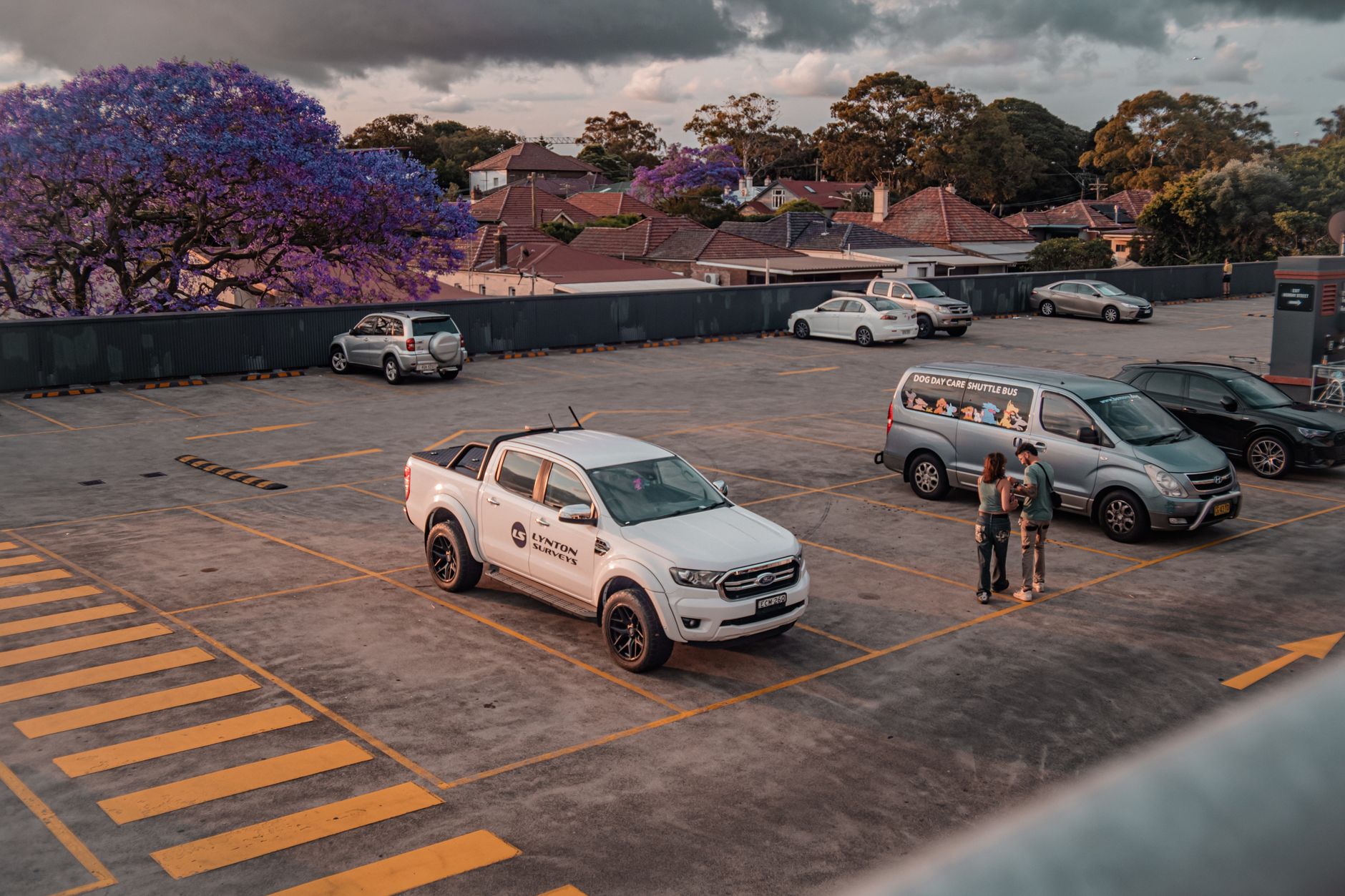
The Australian automotive landscape remains firmly dominated by dual-cab utes, with models like the Ford Ranger and Toyota HiLux consistently topping sales charts. For many drivers, these vehicles are far more than just transport. They function as mobile work sites from Monday to Friday and seamlessly transform into off-grid base camps on the weekend. Building a vehicle that handles both roles effectively requires careful planning to avoid making frustrating compromises in either environment. Before bolting on heavy aftermarket accessories, it is crucial to step back and evaluate your foundational needs. As detailed in a comprehensive guide on choosing a vehicle that matches your lifestyle and needs, aligning your base vehicle choice with your actual daily driving habits and cargo space requirements is the single most critical first step.
Structural Foundations and Cargo Protection
Once you have the right platform, the focus shifts to protecting your gear. An open tray is great for carting loose construction materials, but it leaves expensive power tools and camping equipment exposed to the weather and opportunistic theft. This is where an enclosed rear structure becomes entirely necessary. Adding a rugged canopy for utes is widely considered the most effective way to secure your cargo area, providing a weather-proof shell that serves as a blank canvas for further internal modifications. Lightweight aluminium is overwhelmingly favoured by local custom builders over steel or fibreglass because it strikes the perfect balance between structural integrity and weight savings.
For those who still need the sheer practicality of an open tray during the week, lift-off systems have become incredibly popular in the local market. These clever setups feature freestanding legs that allow owners to unbolt and remove the entire enclosed structure in a matter of minutes. You can leave your weekend touring gear packed away in the garage while freeing up maximum space for pallets and oversized weekday loads.
Managing Payload and Legal Compliance
Transitioning a vehicle for dual purposes inevitably adds significant weight, which introduces serious legal and safety considerations. A standard aluminium enclosure typically adds between 90kg and 175kg to a vehicle's kerb weight. To avoid voiding your insurance or breaching safety limits, your true payload must be calculated meticulously. You must subtract the weight of the new enclosure, interior shelving, your passengers, and the trailer tow-ball download from the factory Gross Vehicle Mass.
Staying within your legal weight limits is a strict requirement across the country. According to the National Transport Commission's official load restraint guide, it is illegal across Australia to drive a vehicle carrying a load without proper restraint systems, and operators must strictly ensure that loads do not exceed prescribed mass limits under any circumstances.
Furthermore, modern light vehicles equipped with Advanced Emergency Braking systems are subject to rigorous safety regulations. Heavy aftermarket modifications must not alter the ride height in a way that interferes with OEM safety sensors. Planning your weight distribution beforehand is the only way to ensure your ute remains safe and compliant on the highway.
Essential Upgrades for Work and Play
With the structure secured and weight limits calculated, you can focus on the internal fit-out. Custom vehicle builders highly recommend creating separate gear lists for work and touring during the planning phase to avoid layout clashes. A well-planned layout saves time on the job site and reduces frustration at the campsite.
To maximise everyday utility alongside weekend comfort, consider these critical dual-purpose upgrades:
- Modular Drawer Systems: Adding steel or aluminium drawers allows you to permanently separate greasy tools from clean cooking gear. Sliding systems keep heavy items low, maintaining a safer centre of gravity, though you must account for the extra 40kg to 80kg they typically add to your total build weight.
- Integrated 12V Electrical Panels: A secondary lithium battery system is a modern game changer. During the week, it provides reliable off-grid power to charge cordless tool batteries. On Friday afternoon, the exact same system effortlessly runs a portable camping fridge and campsite lighting.
- Reinforced Roof Racks: Lightweight canopy construction minimises the payload penalty while offering static roof load ratings of up to 300kg. This structural strength is perfect for carrying long construction ladders during the workweek and supporting a heavy rooftop tent for weekend adventures.
- Upgraded Suspension Systems: Once you have finalised your accessory list and calculated your constant load, upgrading your suspension is highly recommended. A tailored heavy-duty suspension kit prevents the rear end from sagging under the weight of your tools and touring gear, ensuring safer handling and better braking performance both on and off the road.
Building the ultimate dual-purpose setup is an exercise in strict balance. By prioritising lightweight materials, modular storage solutions, and careful adherence to payload regulations, you can transform a standard workhorse into a highly versatile lifestyle vehicle. The result is a highly capable ute that works hard on the job site and gets you far off the beaten track safely.










2 thoughts on “How to Build a Dual-Purpose Ute Setup for Everyday Utility and Weekend Travel”
Comments are closed.