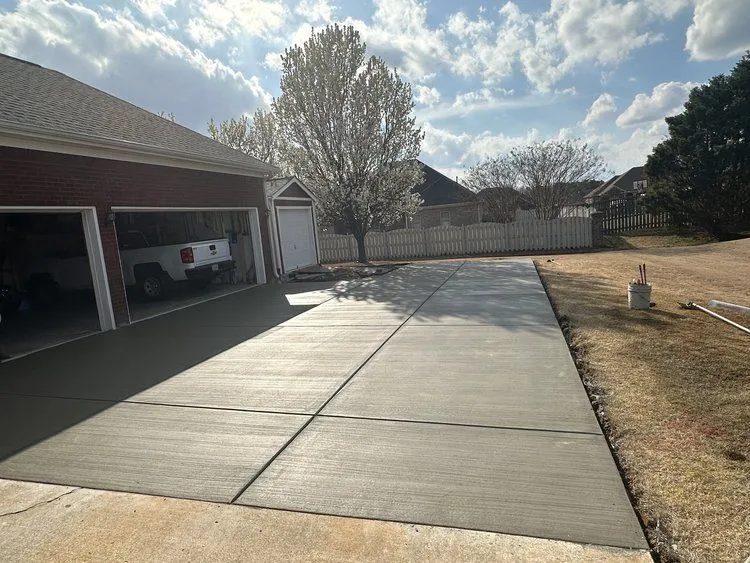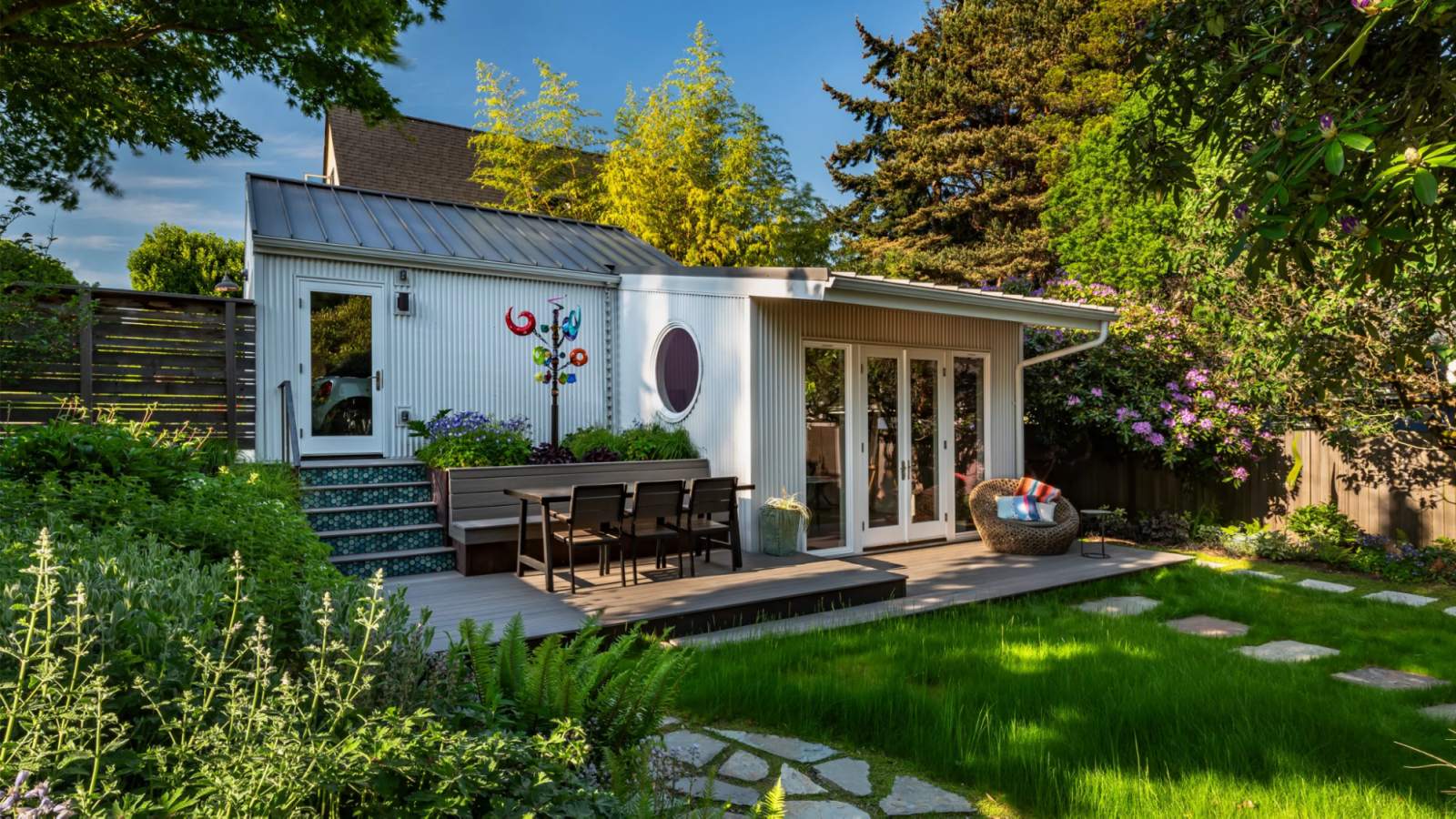
Outdoor spaces can add beauty, comfort, and functionality to a property. Patios, yards, gardens, sheds, and decks provide places to relax, entertain guests, or store outdoor equipment. However, when these areas become cluttered, they can quickly turn into attractive hiding places for pests. Piles of leaves, unused furniture, wood, boxes, yard waste, and other debris can provide shelter, food, moisture, and nesting opportunities for insects and rodents.
Understanding why clutter attracts pests helps homeowners keep outdoor areas cleaner and reduce the conditions that allow infestations to develop. If you’re looking for Aldie VA pest control, keeping your yard, patio, and outdoor storage areas free of clutter can help reduce hiding spots for pests and prevent infestations around your home.
Clutter Provides Safe Hiding Places
Many pests prefer dark, quiet areas where they can remain undisturbed. A cluttered yard can provide plenty of these locations. Stacked materials, piles of branches, unused containers, and garden equipment create gaps and covered spaces where pests can hide.
Rodents such as mice and rats may use piles of materials to protect themselves from predators and harsh weather. Spiders can build webs between rarely moved objects, while insects may hide under boards, pots, stones, and outdoor furniture.
The more clutter an outdoor area has, the more hiding spots it offers. Even if pests aren’t immediately visible, they may live nearby and become active at night or during favorable weather. Professional junk removal Ashburn VA services can help clear cluttered outdoor spaces, remove unwanted items, and eliminate potential hiding spots that attract pests to your property.
Yard Debris Can Attract Insects
Leaves, grass clippings, fallen branches, and other organic materials naturally break down over time. During this process, they can create damp and sheltered conditions that attract different types of insects.
Ants, beetles, cockroaches, termites, and other pests may be drawn to areas where organic debris accumulates. Some insects feed on decaying plant material, while others use it as shelter.
A thick layer of leaves around the foundation can also trap moisture against the soil and nearby structures. This creates an environment that may attract pests more than a clean, well-maintained yard.
Regularly removing excess yard debris can help reduce these opportunities.
Standing Water Creates Another Pest Problem
Clutter not only provides hiding places. It can also create areas where water collects. Old buckets, plant saucers, tires, toys, containers, and other outdoor items can hold rainwater for days.
Standing water especially attracts mosquitoes because they can use small amounts of stagnant water as breeding sites. Even a seemingly insignificant container can become a source of mosquito activity if it repeatedly collects rain.
Water can also create damp conditions that attract other pests. Eliminating unnecessary containers and regularly emptying items that collect water can make the outdoor environment less appealing to insects.
Woodpiles Can Attract Unwanted Pests
Firewood and lumber should be stored carefully because wood can provide shelter for several types of pests. Termites, carpenter ants, beetles, spiders, and rodents may hide in or around stacked wood.
Storing firewood directly against the house can create additional concerns. Pests living in the wood may have easier access to the structure, especially if cracks, gaps, or other entry points are nearby.
Whenever possible, stack firewood neatly off the ground and away from the home’s exterior walls. Keeping the surrounding area clean also makes it easier to notice signs of pest activity.
Clutter Can Give Rodents Places to Nest
Rodents look for locations that offer protection, warmth, and easy access to food. A cluttered outdoor area can provide all three.
Old boxes, unused furniture, piles of fabric, construction materials, and dense vegetation can become potential nesting locations. Once rodents establish themselves outside, they may eventually search for ways into garages, sheds, crawl spaces, attics, or other parts of a property.
Rodent problems can become more difficult to manage when food and shelter are consistently available. Keeping outdoor areas organized removes some of the conditions that make a property attractive to them.
Overgrown Vegetation Can Increase Pest Activity
Plants are an important part of a healthy landscape, but uncontrolled vegetation can create pest-friendly conditions. Tall grass, dense shrubs, weeds, and overgrown plants provide shade and moisture while creating protected pathways for insects and rodents.
Vegetation that touches the house can also make it easier for pests to reach the structure. Tree branches, vines, and thick shrubs may provide routes toward windows, roofs, vents, and other potential entry points.
Keeping plants trimmed and maintaining reasonable space around the structure can improve visibility and reduce pest access.
Outdoor Clutter Can Hide Early Warning Signs
One of the biggest problems with clutter is that it makes pest activity harder to notice. Piles of debris can hide droppings, nests, damaged materials, insect activity, and entry holes.
For example, a small rodent nest underneath stored materials may go unnoticed for weeks. Similarly, insects can establish colonies beneath boards, stones, or containers without being immediately visible.
A clean outdoor area makes regular inspections much easier. Homeowners can quickly spot unusual activity and address potential problems before they become larger infestations.
Clutter Can Make Pest Control More Difficult
When pests have many places to hide, controlling them can become more challenging. Treatments may not reach every area where insects or rodents are sheltering. Moving clutter can also disturb hidden nests and push pests to other areas.
For this reason, pest management often works best when combined with good property maintenance. Removing unnecessary items, cleaning up debris, and eliminating moisture sources can reduce the places pests depend on.
Professional pest control may still be necessary when an infestation is already established. Still, property maintenance can support long-term pest prevention.
Simple Ways to Reduce Outdoor Pest Havens
Keeping an outdoor space pest-resistant does not require complicated changes. A few regular maintenance habits can make a significant difference.
Start by removing items that are no longer being used. Dispose of broken furniture, containers, cardboard, and other unnecessary materials before they accumulate.
Rake leaves and remove excessive yard debris, particularly near the foundation. Store firewood neatly and keep it away from the home. Empty containers that collect rainwater and check outdoor areas after storms.
Trim shrubs, grass, and tree branches regularly. Keep vegetation from becoming excessively dense around the house. Also inspect sheds, garages, fences, and outdoor storage areas for signs of pests or possible entry points.
Food should also be managed carefully. Pet food, birdseed, garbage, and other food sources can attract rodents, ants, raccoons, and other unwanted visitors. Keep trash containers closed and clean up spilled food whenever possible.
Prevention Is Easier Than Dealing With an Infestation
A cluttered outdoor area may seem harmless at first, but it can gradually provide everything pests need to survive. Shelter, moisture, nesting materials, and food can turn a neglected corner of the yard into a pest haven.
Keeping outdoor spaces organized and clean is one of the simplest ways to reduce these conditions. Regular yard maintenance, proper storage, moisture control, and routine inspections can make the property less attractive to pests while also improving its overall appearance.
If signs of an infestation appear despite regular maintenance, early action can help prevent it from spreading. Professional pest control services can identify where pests are coming from, determine what conditions are attracting them, and recommend appropriate solutions.
Ultimately, pest prevention starts with the environment around the home. A cleaner, less cluttered outdoor space gives pests fewer places to hide, nest, and thrive.