Introduction
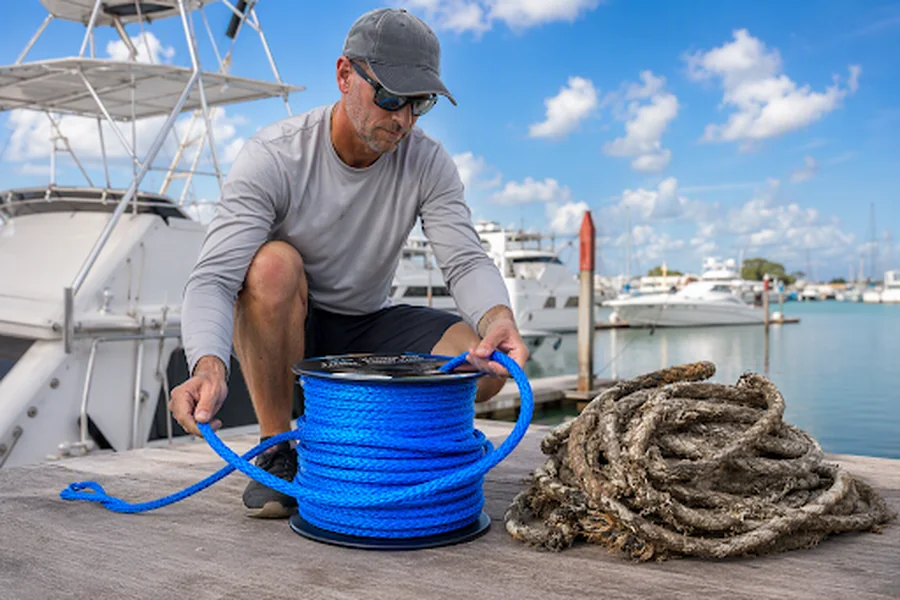
If your boat winch has started to look tired, winch rope replacement should not wait. An old winch rope can affect handling, durability, and overall lifespan, especially in salt, sun, and daily use. For many boat owners, switching to a synthetic winch rope also makes handling easier. This checklist will help you spot trouble early and fit the right replacement with confidence.
Signs Your Winch Rope Needs Replacing
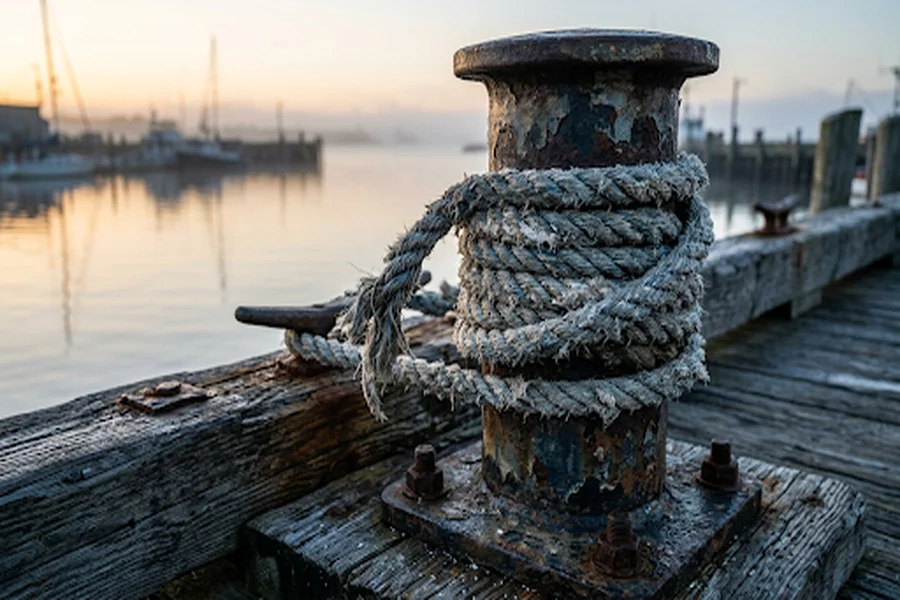
Start with a regular inspection each time you wash down your boat gear. That simple habit helps you catch cable wear, abrasion, and damage to the winch rope or winch line before it turns into a bigger issue.
You should also look beyond the winch rope itself. Sharp burrs, rust, salt build-up, and rough contact points on nearby parts can all speed up wear. The most common warning signs are easy to spot once you know what to check.
Visual Wear and Tear: Fraying, Kinks, and Discolouration
The fastest way to answer “How can I tell when it’s time to replace my synthetic winch rope?” is this: look for visual wear. Fraying, kinks, and discolouration are often the first clues that the rope has been rubbing, twisting, or sitting too long in harsh conditions.
During a regular inspection, run your eyes along the full length, not just the section near the hook. On a boat used every weekend, fading near the outer wraps can show UV exposure, while rough patches near the fairlead can point to abrasion.
- Fraying fibres or fuzzy spots
- Tight kinks that do not relax
- Discolouration or faded sections
- Flattened areas from rubbing
Loss of Strength: Stretching or Reduced Load Capacity
Sometimes a rope appears fine but loses strength. If your winch line feels less firm under load or stretches more than before, take it as a warning. Reduced capacity can make anchoring and retrieval unpredictable.
For example, if a rope that used to spool neatly now feels loose and uneven, it may indicate internal abrasion or aging. Even without visible damage, performance can decline over time.
If the rope’s behaviour changes, replace it instead of guessing. Boat owners often focus on surface marks, but stretching and poor load handling are just as important for safety.
Common Causes: UV Exposure, Saltwater Damage, and Age
Synthetic rope works in wet conditions but requires care. For boat owners, repeated saltwater exposure and long hours in sunlight are bigger concerns. UV rays and aging reduce performance, increasing the need for winch rope replacement.
Salt and moisture also affect nearby metal parts, causing rust, corrosion, burrs, or sharp edges that can damage the rope. The entire rig matters—not just the rope.
Key issues:
- Constant UV exposure in open storage
- Saltwater left on the rope after use
- Aging from repeated seasonal use
- Rust on connected parts
Choosing the Best Replacement Winch Rope
Choosing the right rope comes down to your boat, your winch, and how you use it. A replacement should match your specific needs, not just the old rope you happen to remove.
For most boat owners, the decision usually comes down to synthetic winch rope or steel cable. Durability matters, but so do handling, drum fit, and how well the line deals with water, sun, and day-to-day use.
Synthetic Winch Rope vs Steel Cable: Which Should You Pick?
Synthetic rope is lightweight and easier to handle, while steel cable is heavier and can rust or fray over time.
For boat owners pulling anchor gear by hand, the lighter synthetic rope offers clear advantages. However, both require proper sizing and regular inspection, especially at contact points like the fairlead and drum.
| Feature | Synthetic Rope | Steel Cable |
| Handling | Lightweight, easy to grip | Heavy, stiff |
| Surface Wear | May fray or abrade | Can kink, develop sharp strands |
| Water Exposure | Needs rinsing after salt | Prone to rust and corrosion |
| Daily Use | Easier for routine handling | Feels harsher in hand |
Size and Weight Rating: Matching the Rope to Your Boat
To choose the right rope size, match it to your winch drum and load. The ideal size depends on your boat’s weight, winch capacity, and anchoring conditions.
For example, small drum winches typically use 6 mm rope, while larger ones need 7–8 mm rope and longer lengths. Never guess diameter or length.
- Check your boat’s weight and load
- Confirm winch drum model and capacity
- Match rope diameter and length accordingly
Best Rope and Chain Materials for Australian Conditions
In Australia, choose ropes based on marine durability, not brand. Double braid rope, Dyneema, stainless steel short-link chain, and pre-spliced kits are best for harsh coastal conditions.
For boats near the coast, prioritise abrasion resistance, UV tolerance, and ready-to-fit synthetic lines matched to your drum—this prevents guesswork and fitting errors.
- Select pre-spliced rope and chain kits
- Choose materials made for water, sun, and salt
- Pick options sized specifically for your winch
Pre-Installation Checklist for Boat Owners
Before fitting anything new, pause and check the full setup. A good pre-install routine saves time and avoids damage to the new rope on day one.
Focus on winch drum compatibility, rope diameter, nearby contact points, and the basic tools and safety gear you will need. Once those checks are done, installation becomes far more straightforward.
Measuring Your Drum: Ensuring Rope Length and Diameter Compatibility
First, identify your winch drum model and its specified rope size. Drum size determines compatible rope length and diameter, so accurate measurement is essential.
Smaller drums fit shorter ropes; larger drums can handle longer, thicker ropes. A rope that’s too thick reduces drum capacity, while incorrect length may cause handling problems.
- Confirm your winch drum model
- Match required rope length and diameter
- Ensure any chain section is compatible
Inspecting Winch Components Before Installation
Before fitting the new line, thoroughly inspect all winch components—a step often overlooked, yet critical to rope longevity. Check the drum, fairlead area, joins, and all metal contact points.
Focus on burrs and sharp edges; even small rough spots can damage fibres over time. Localised wear on your old rope usually indicates a specific damaged area.
- Feel for burrs or rough patches
- Look for rust, corrosion, or sharp edges
- Check splicing and connection points
Essential Tools and Safety Gear for Replacing Winch Rope
You don’t need a large workshop for this job, just the right essentials. Having your tools ready keeps the work smooth and prevents mistakes.
For example, wearing gloves when handling old wire rope or metal parts protects your hands from sharp edges, dirt, and frayed wires.
- Gloves for safe handling
- Basic tools for fittings
- Eye and hand protection
- Rope attachment accessories
Step-by-Step Guide to Installing New Winch Rope
Once the checks are done, the installation itself is quite manageable. The key is to work slowly and keep the rope under control from start to finish.
For synthetic winch setups, careful handling matters as much as the attachment. The steps below cover safe removal, correct spooling, and a simple first test after winch rope replacement.
Removing Old Rope Safely
Begin with safe removal of the old rope or wire rope. Keep tension controlled and avoid pulling it out in a rush. If the line is damaged, this stage needs extra care.
Old steel cable can hide frayed steel wiring that catches skin quickly. Even synthetic rope can hold grit and salt. Gloves and a clear work area make the job safer and easier.
- Unwind the old rope slowly
- Watch for sharp strands on wire rope
- Keep hands protected during removal
Spooling and Securing Synthetic Rope Correctly
Fit the new synthetic winch line to the winch drum exactly as the setup requires. The attachment must be secure before you begin spooling. This is where a pre-spliced option can save time and reduce setup errors.
As you spool, keep the synthetic cable neat and even across the drum. A real-world tip is to avoid loose wraps at the start, because they can shift under later load and affect retrieval.
- Secure the attachment point first
- Spool evenly across the winch drum
- Keep steady tension while winding
Testing the Installation: Simple Tips for First Use
After fitting, test the winch with a light load to observe how the line tracks on the drum. This helps reveal loose wraps or uneven spooling.
Boat owners can do a short, controlled retrieval to ensure the line sits properly and the attachment is secure. Spotting issues early improves safety—never assume everything is fine.
- Use a light, controlled load for testing
- Watch line tracking on the drum
- Stop if you see rubbing or bunching
Conclusion
In summary, proper winch rope maintenance is crucial for safety and performance on the water. Regularly inspect for wear, choose the right replacement rope, and follow correct installation steps to keep your boating experience smooth and secure. Maintaining your winch rope extends equipment life and enhances your time on the water. For more tips or personalised help, contact us for a free consultation—your boat deserves the best.
Frequently Asked Questions
How often should you replace your winch rope?
There is no fixed replacement schedule, so let regular inspection guide you. Replace it when wear, damage, or performance changes appear. That approach protects the rope’s lifespan and durability, along with the rest of your boating setup.
Is synthetic winch rope safe for boating in Australia’s climate?
Yes, synthetic winch rope can suit Australian boating conditions when it is built for marine use. Watch for UV exposure, abrasion resistance, and saltwater damage closely. Rinsing after use and checking for wear will help support better longevity.
How do you maintain and clean winch rope to maximise its lifespan?
The simplest maintenance routine is also the most effective. Rinse the rope or winch cable with freshwater after each use, let it dry properly, and carry out a regular inspection for fraying, corrosion nearby, or damaged splicing before storing it.