

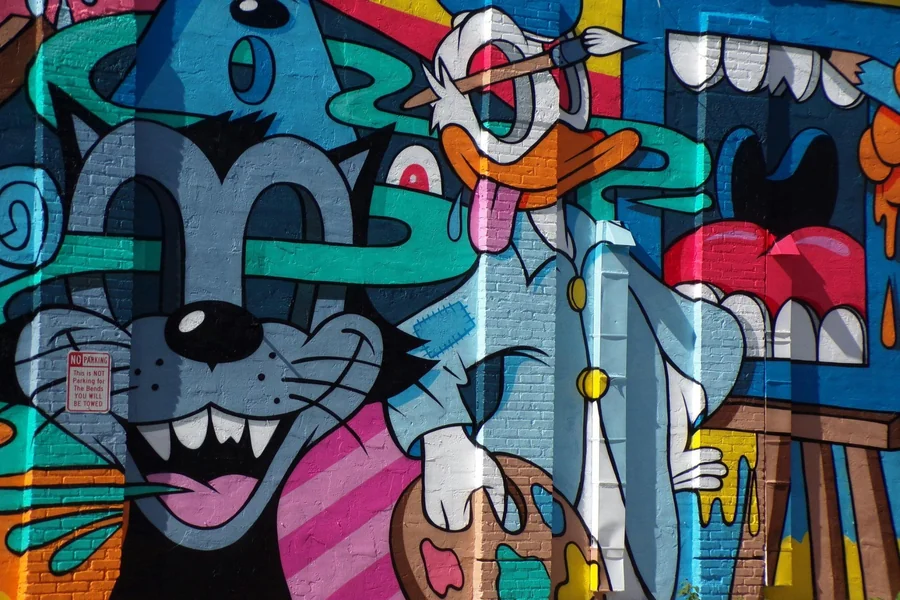
Outdoor wall murals have become an important part of urban design, transforming ordinary buildings into colorful works of art. From large illustrations covering entire building facades to smaller paintings in neighborhood courtyards, murals can bring personality and creativity to spaces that might otherwise go unnoticed.
However, creating an impressive outdoor mural involves much more than choosing a design and applying paint. Artists must consider the building’s architecture, surface condition, surrounding environment, and the way people will experience the finished artwork. Every stage requires a combination of artistic imagination and practical preparation.
Successful murals also depend on collaboration between artists, property owners, local communities, and maintenance professionals. Understanding the creative process reveals how initial ideas become lasting public artworks that contribute to the visual identity of streets, businesses, and neighborhoods.
Preparing the Wall Before the First Brushstroke
Before an artist begins painting, the condition of the wall must be carefully evaluated. Outdoor surfaces are constantly exposed to dust, moisture, pollution, and changing weather conditions, all of which can influence how successfully paint adheres.
Brick, concrete, stucco, and previously painted surfaces have different preparation requirements. Loose material, accumulated grime, and deteriorating coatings may need to be removed before applying primer or beginning the artwork. Skipping these steps can affect the mural’s appearance and durability.
For large exterior projects, professional cleaning equipment can play an important role in preparing suitable surfaces. Property owners and contractors can explore commercial pressure washing solutions through hotsysouthtexas.com, which offers equipment designed for various exterior cleaning applications. Properly selected equipment can help remove accumulated dirt from durable masonry and concrete surfaces before further preparation begins.
Cleaning methods must match the material’s condition, since excessive pressure can damage masonry, mortar, or existing finishes. After cleaning, the wall needs sufficient time to dry, allowing artists to work on a stable surface that supports the finished design.
Developing an Idea That Connects With Its Surroundings
The creative process usually begins with understanding the location. Artists consider the building’s purpose, neighborhood character, surrounding architecture, and the people who will regularly see the mural.
A painting on a school wall might celebrate creativity, learning, or local history, while a restaurant mural could incorporate imagery connected to food culture. Community murals often explore shared experiences or recognizable features of the surrounding area.
Research helps artists develop concepts that feel connected to their location. Visiting the site, studying its history, and speaking with people familiar with the neighborhood can inspire meaningful visual themes.
Initial ideas are usually explored through sketches and reference images. Artists may experiment with several compositions before selecting one that balances artistic expression with the practical characteristics of the wall.
A strong concept gives the mural a clear identity while leaving room for creative interpretation.
Choosing Colors That Work in Outdoor Environments
Color selection has a significant influence on how people experience an outdoor mural. Bright combinations can energize a busy street, while softer palettes may complement residential buildings or quieter public spaces.
Artists must consider how natural light changes throughout the day. Colors viewed in direct sunlight can appear different under cloudy conditions or evening shadows, making it important to evaluate the design within its actual surroundings.
The existing architecture also influences color choices. A mural should interact thoughtfully with nearby windows, doors, landscaping, and neighboring buildings rather than appearing disconnected from the environment.
Outdoor paints need to be appropriate for the substrate and expected exposure. Products formulated for exterior use generally offer better resistance to weather-related deterioration than ordinary interior paints.
Carefully chosen colors help establish the artwork’s mood while supporting a cohesive relationship between the mural and its location.
Translating Small Sketches Into Large-Scale Artwork
Photo by weston m on Unsplash
One of the most challenging parts of mural painting is transferring a relatively small design onto an enormous surface. Artists must preserve proportions while working at a scale that makes it difficult to view the complete composition from nearby.
Several techniques can simplify this process. Grid systems divide a design into smaller sections, allowing artists to reproduce individual elements more accurately. Digital projection can also help establish outlines when suitable lighting and working conditions are available.
Some artists prefer freehand methods, particularly when creating expressive illustrations or abstract compositions. Others combine measured guidelines with spontaneous brushwork to balance accuracy and creativity.
Large murals may require scaffolding, elevated platforms, or other access equipment. Safe working arrangements are essential, especially when painting several stories above ground level.
Throughout the process, artists regularly step away from the wall to evaluate proportions and visual balance from the perspective of pedestrians.
Adding Depth Through Texture and Artistic Techniques
A memorable mural often combines several artistic techniques to create visual depth and movement. Layered colors, shading, outlines, and carefully positioned highlights can transform flat surfaces into detailed compositions.
Brushes remain valuable for precise work, particularly when painting facial features, lettering, or small decorative elements. Rollers can cover larger areas efficiently, while spray paint allows artists to create gradients, expressive shapes, and broad transitions.
The choice of technique depends on the artist’s style and the design’s requirements. Photorealistic murals demand different methods from geometric patterns or illustrations featuring bold outlines.
Existing wall textures can also influence the result. Brick joints, rough plaster, and architectural details may become intentional features of the composition.
Artists sometimes adapt their original designs as the painting develops, responding to unexpected visual effects or discovering opportunities to improve the arrangement.
This combination of planning and experimentation gives mural painting its distinctive creative character.
Community Collaboration Makes Murals More Meaningful
Outdoor murals are often experienced by entire neighborhoods, making community involvement an important consideration. Projects developed through collaboration can reflect local identity while creating opportunities for public participation.
Artists may consult residents, business owners, schools, or community organizations before finalizing a design. These conversations can help identify meaningful themes and ensure the proposed artwork suits its surroundings.
Some projects include workshops where participants contribute ideas or help paint selected sections under professional supervision. Such activities can make the creative process more accessible and encourage a stronger connection to the finished mural.
Public participation does not mean every artistic decision must be made collectively. Clear responsibilities and an established creative direction help maintain visual consistency.
When collaboration is managed thoughtfully, a mural can become more than decoration. It can serve as a recognizable landmark that encourages conversation and contributes to neighborhood pride.
Protecting and Maintaining the Finished Artwork
Completing the painting is not necessarily the final stage of a mural project. Outdoor artwork remains exposed to sunlight, rainfall, temperature changes, and environmental pollution, making ongoing maintenance important.
Depending on the materials used, artists may recommend compatible protective coatings designed for exterior artwork. These finishes can help preserve colors and provide additional protection, although their suitability depends on the paint and underlying surface.
Property owners should also monitor surrounding conditions. Water leaks, damaged gutters, and moisture entering through deteriorating masonry can affect painted surfaces over time.
Routine inspections allow minor problems to be identified before they spread. Cleaning should always follow recommendations appropriate for the artwork, avoiding abrasive methods or excessive pressure that could damage the paint.
Some murals may eventually require professional touch-ups, especially in areas exposed to intense sunlight or heavy urban pollution.
Thoughtful maintenance helps preserve the artist’s original vision while extending the artwork’s contribution to the surrounding environment.
The Lasting Impact of Outdoor Murals on Public Spaces
Beautiful outdoor murals demonstrate how creativity can transform familiar environments. A previously overlooked wall can become a neighborhood landmark, a backdrop for photographs, or a meaningful expression of local culture.
Businesses may use murals to establish a distinctive visual identity, while community organizations often commission artwork that celebrates shared values and historical experiences. Public murals can also introduce art into places where traditional galleries and exhibitions are less accessible.
Their success depends on more than artistic talent alone. Surface preparation, thoughtful design, suitable materials, collaboration, and maintenance all contribute to the finished result.
The most memorable murals balance visual impact with a genuine connection to their surroundings. They complement architecture, invite curiosity, and encourage people to see familiar streets from a different perspective.
Ultimately, outdoor mural painting brings together imagination, technical knowledge, and practical craftsmanship. From the first concept sketch to the final protective measures, every stage contributes to artwork that can enrich public spaces for years.
By approaching each project with careful preparation and creative purpose, artists can transform ordinary exterior walls into engaging visual experiences that become part of a community’s identity.










3 thoughts on “The Creative Process Behind Beautiful Outdoor Wall Murals”
Comments are closed.