

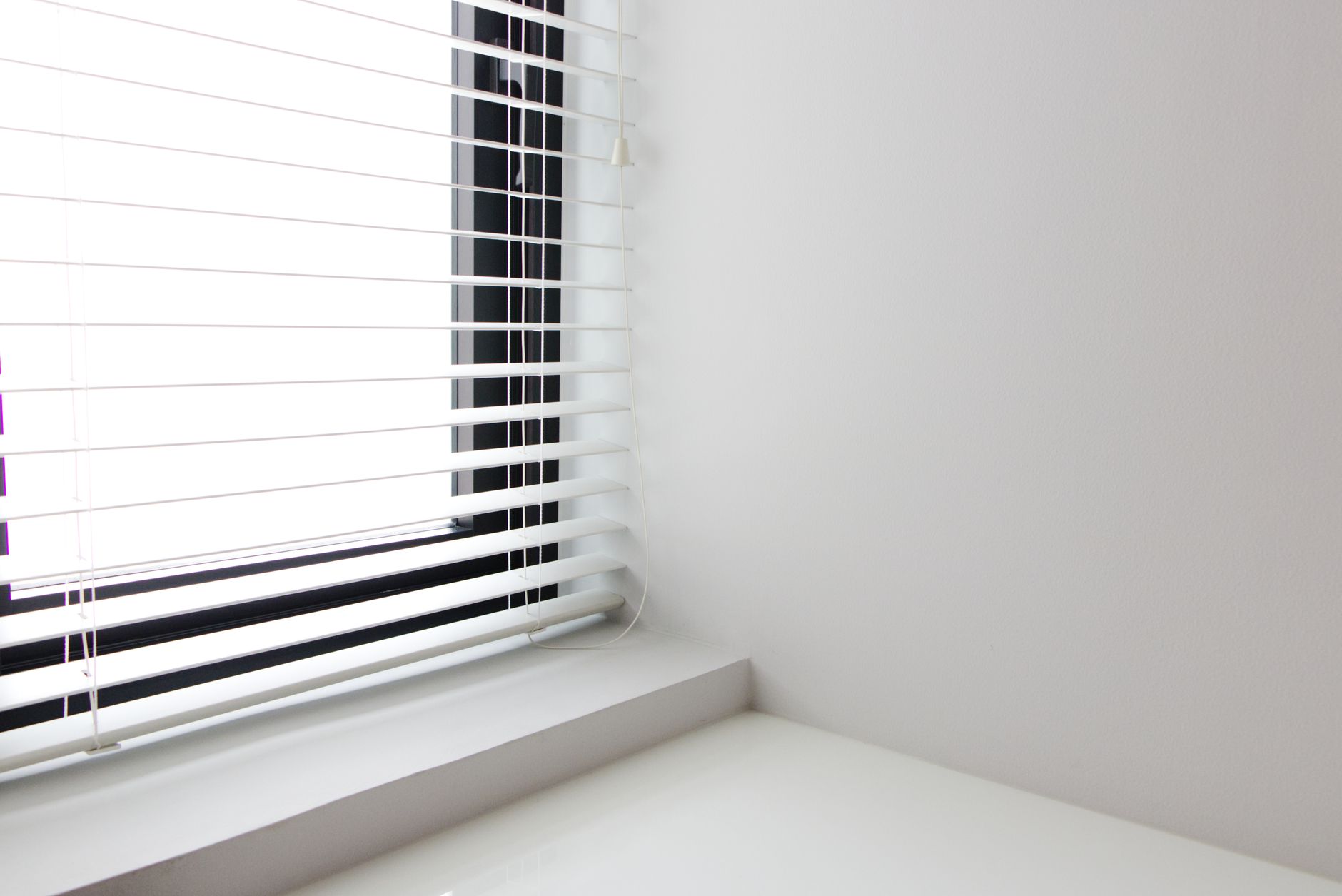
Tilt a set of blinds toward the light and you can see everything: a grey bar of dust on every slat, a sticky patch where a hand once pushed them open, and a few dead flies along the bottom rail. Fold them open and the problem seems to disappear, which is exactly why blinds get cleaned so rarely. The dirt is there all the time. It is just angled away from the room.
The window itself has a similar blind spot. Down in the track beneath the glass, grit, pollen, and small insects pack into a dark groove that almost nobody looks at. Neither job is difficult, but both are easy to do badly, whether by a household or by cleaning services working through a short checklist. A slat bends with one firm press, an aluminium blind can take a permanent crease, and a wet cloth pushed along a dirty track scratches whatever it is dragging.
Most of the difference between a good result and a damaged blind comes down to what the blinds are made of and how much moisture they can take.
Know What the Slats Are Made Of
Vinyl and PVC blinds are the most forgiving. They tolerate a damp cloth and mild soap, though they can warp in very hot water or direct heat. Aluminium blinds are light and thin, so they dent and crease easily and often have sharp edges. Faux-wood blinds, usually made from PVC or composite, are sturdier and can be wiped.
Real wood is the exception. It can swell, warp, or lose its finish when it gets wet, so it is cleaned with a dry or barely damp cloth only. Fabric options such as roller shades, Roman shades, and cellular shades each follow their own care label, and most need vacuuming at low suction or spot cleaning rather than soaking.
Slat material is the first thing a household would need to tell CJS Cleaning Solutions, since wood and aluminium call for very different handling and a wrong guess ends with damage that no amount of care repairs.
When someone asks cleaning services durham nc homeowners hire to “do the blinds,” they may mean a light dusting, a slat-by-slat wipe, or taking the whole blind down, and those are three different jobs with different risks. It is worth deciding which one you want before anyone starts.
Dry Dusting Comes First
Always start dry. Wet dust turns into a grey paste that streaks and sticks to the slats. Close the blinds so the slats lie flat and the upper face is exposed, and use a soft microfibre cloth, a dedicated blind duster, or a soft brush attachment on a vacuum at low suction. Work along the length of each slat, from one end to the other, never across it, because cross-wise pressure bends them.
Support the slat with your free hand underneath while you wipe, especially on aluminium. Wipe the top of the slats from the top of the window downwards so dust falls onto surfaces still to be cleaned. Tilt the blind the other way and repeat on the reverse side.
A pair of kitchen tongs wrapped in a microfibre cloth cleans both sides of a slat at once on sturdy vinyl and faux wood, but goes gently on aluminium.
Washing Blinds That Can Take Water
For grease, fingerprints, or sticky film, dampen a cloth with warm water and a drop of dish soap, wring it nearly dry, and wipe each slat in the same lengthwise direction. Follow with a clean damp cloth and then a dry one. Don’t use abrasive pads or strong chemicals, which can strip colour from the surface or leave white marks.
Vinyl and aluminium blinds that are very dirty can be taken down and washed in the bath, then rinsed and hung to dry. Check the manufacturer’s care guidance first. This is not for real wood, and it should not be done with blinds that have fabric tapes or electric motors. Never leave the cords loose afterwards, because looped cords are a serious strangulation hazard for children and pets. Cordless designs avoid the risk, and a cord cleat or tension device should hold the cord out of reach.
Dry the blinds thoroughly before rehanging them. Slats stacked wet can leave water marks or mildew along the rail.
Window Tracks and Sills
Tracks collect the heavy stuff: sand, dried leaves, insect remains, and a gluey layer of dust that has absorbed moisture from condensation. Even in a house that has just had a full clean from CJS Cleaning Solutions, the tracks are often the one spot that still feels gritty.
Begin by removing loose debris with a vacuum crevice tool or a stiff paintbrush, so that nothing is dragged along the groove. Next, work a slightly damp cloth or a cotton swab along the bottom of the track with mild soap and warm water. An old toothbrush loosens stubborn material at the corners. Wipe, then dry, because water left in a track encourages mold and can seep into the frame.
Look for the small drainage or weep holes along the outer edge of many window frames. They let rainwater escape, so keep them clear and don’t flush them with a lot of water. A pipe cleaner or toothpick clears them without damaging the frame.
On sills, clean the surface according to its material, whether painted wood, vinyl, or stone. Avoid acidic cleaners on natural stone, and avoid soaking wooden sills, since moisture lifts paint and swells the board. If you find black spots in a damp corner, treat the moisture problem as well as the mark, because it will keep returning otherwise. If windows are on the list for cleaning services, say whether the tracks are included.
Fabric Shades and Roller Blinds
Fabric products need a lighter touch. Vacuum with a brush attachment on low, or use a lint roller on roller shades. Spot-clean with a damp cloth and mild soap only if the label allows it, and blot rather than rub. Cellular shades trap dust in their pleats, and a hairdryer on a cool setting can push the dust out. Don’t soak, since water can ruin the glue and leave rings.
Safety and Common Mistakes
Use a stable step stool, not a chair, for tall windows, and keep one hand free for the blind. Don’t yank a stuck slat, because forcing the mechanism can break the tilt rod or cord lock.
Don’t use steam cleaners on blinds, since heat warps vinyl and wood. Keep liquids off the headrail and the tilt mechanism. And don’t clean while the blinds are in a high-moisture area without ventilation afterwards, because damp slats grow mold quickly.
A Routine That Doesn’t Take Over the Weekend
Dust the slats every few weeks with a microfibre duster, and give them a damp wipe a couple of times a year. A short pass over the window tracks during each seasonal clean keeps the groove from filling up. In kitchens and bathrooms, wipe slats more often, because grease and steam turn dust into a film.
A monthly dusting of the slats between regular visits from CJS Cleaning Solutions keeps the blinds from becoming a project that has to be saved for spring, and the visit itself can then be used for floors, surfaces, and bathrooms.
Clean Without Creasing
Blinds and window tracks reward patience more than force. Check the material, start dry, wipe along each slat with support underneath, and keep water away from wood and electric parts. Clear the track before you wet it, and dry everything before it goes back. If the blinds are delicate, or the job feels bigger than the afternoon you have, cleaning services can handle the regular dusting, while valuable or damaged window coverings are better left to a specialist.











2 thoughts on “How to Clean Window Blinds and Window Tracks Without Bending or Scratching Them”
Comments are closed.