

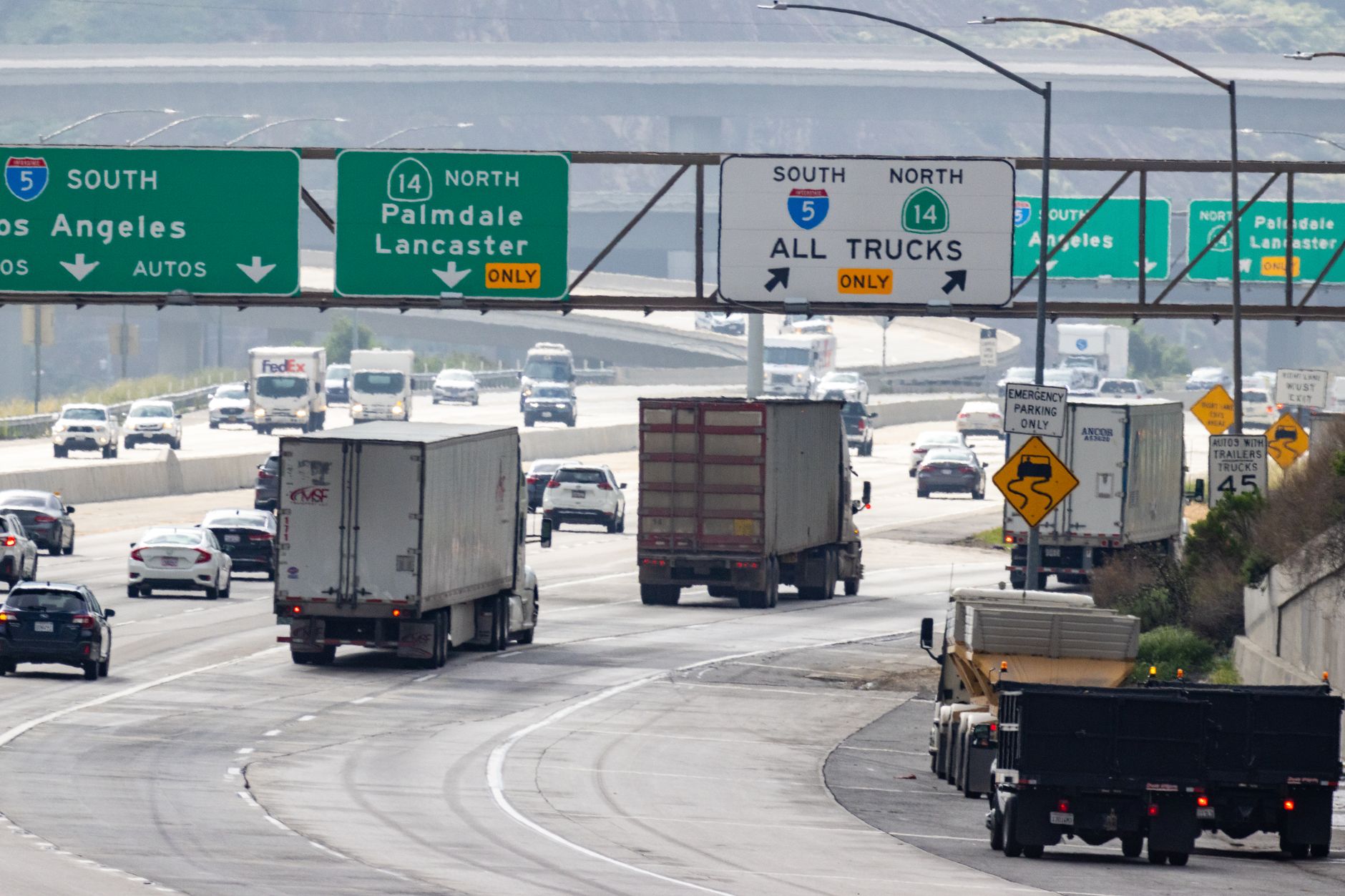
Most I-5 road trip advice is garbage. It tells you to push through, grab gas station coffee, and "make good time." Then you hit the Sacramento Valley at 5 p.m., your eyes are sandpaper, and the next three hours are a blur you will never get back.
I have driven the stretch between Redding and Sacramento more times than I can count, and the single best decision I ever made was to stop earlier than planned. You should too. That means picking the right overnight town, not just the first exit with a lit-up sign.
If you're scanning for a hotel in Corning, CA, you're already looking in the right place. Corning sits roughly halfway between Redding and Sacramento, which makes it the natural break point on this corridor.
Why Corning Is the Smart Split Point
The math here is simple, and you don't need a spreadsheet to see it. Redding to Sacramento runs about 160 miles, and the traffic at the tail end is brutal. If you leave Redding late morning and push straight through, you arrive in Sacramento during the worst possible window.
Corning breaks that run into two comfortable chunks. You do a shorter afternoon leg, sleep, and hit Sacramento before the commuter wave the next morning. You trade one bad evening for a genuinely easy morning.
There's also a fuel angle. Northern California gas is expensive, and the corridor has a few towns where the price swings hard within a few miles. If you're towing anything or driving something thirsty, the savings on a single tank can pay for a decent chunk of your room.
What Corning actually gives you:
- A true midpoint between Redding and Sacramento
- Easy on and off from the interstate
- Food, fuel, and lodging clustered near the exit instead of scattered across town
- Room to rest without losing a full day of driving
What Should You Look For in a Stopover Hotel?
Not all roadside lodging is built for the same job. A hotel that works great for a weekend getaway can be miserable as a road-trip stop, and the reverse is also true. Here's what actually matters when you're just passing through.
- Parking that fits your rig. If you're pulling a trailer, hauling a boat, or driving a tall van, a tight surface lot kills the whole point of stopping. Call ahead and ask. This is the number one thing travelers forget, and it's the one that causes the most 10 p.m. headaches.
- A real bed and a real shower. Sounds obvious. It isn't. Budget chains cut corners on mattresses first, and you'll feel every mile you drove the next day.
- Food within walking distance or on site. When you've been behind the wheel for eight hours, the last thing you want is to get back in the car for dinner.
My rule of thumb: if a stopover property doesn't have at least two of those three, keep looking. The third one you can live without for a night. The first two you can't.
The Framework I Use to Pick Any Overnight Stop
I call it the three-hour rule, and it's saved me more trips than any app. The idea is simple. Before you book anything, figure out what time you'd arrive if you stopped at your planned city, then figure out what time you'd clear the traffic mess on the other side the next morning.
If the arrival time lands after dark and the next-day departure puts you into a city during rush hour, you picked wrong. Shift your stop earlier by an hour of driving and recheck. Nine times out of ten, the earlier stop solves both problems at once.
Here's the part that matters. Most people optimize for total miles driven. You should optimize for how you feel when you arrive. A slightly shorter day followed by a comfortable night beats a heroic driving stretch that leaves you useless the next morning.
The same logic works whether you're heading north into Oregon or south toward the Bay Area. And if you're building a longer trip around this corridor, the Department of the Interior manages the federal lands and recreation areas that anchor a lot of Northern California itineraries, which is worth a look if you're adding stops.
Timing the Sacramento Run
Leave Corning by 7 a.m. and you'll be through the capital region before the worst of it. Leave at 9 and you'll sit in it. That two-hour window is the whole game on this stretch.
If you're pushing further south toward the Bay Area, add another layer. The corridor between Sacramento and the bay gets ugly in the afternoon, so an early start compounds. Two good decisions stack into a genuinely pleasant driving day.
Season matters too. Summer heat in the Sacramento Valley is no joke, and afternoon temperatures routinely climb well into the triple digits. According to the National Weather Service, heat is one of the leading weather-related hazards in the United States, which is a real consideration if you're driving an older vehicle or traveling with pets.
Plan your longest driving leg for the morning in summer. It's cooler, traffic is lighter, and your car isn't fighting the heat.
A Practical Checklist Before You Book
Run through this before you commit to a stop. It takes five minutes and prevents most of the things that ruin a road trip night.
- Confirm your arrival time against actual daylight, not optimistic math.
- Call the property directly if you have a trailer, a tall vehicle, or a late arrival.
- Check whether food is available on site or nearby at your arrival hour.
- Look at the next morning's departure and where it puts you in traffic.
- Book directly when you can. It's easier to fix a problem with the front desk than with a third-party app.
That last point is worth expanding. Third-party bookings are fine for price comparison, but if anything goes sideways, you're stuck in a queue between two companies that don't want to talk to each other. A direct call resolves most issues in minutes.
Why the Boring Stops Win
Nobody posts photos of a clean room and an easy parking spot. But those are the things that turn a grinding drive into a trip you'd actually repeat.
State parks and public lands along the corridor are another reason this stretch rewards a slower approach. The National Park Service maintains a wide range of sites across California, and a lot of them sit within a reasonable detour of the interstate if you've got a spare half day.
The travelers who enjoy this drive the most aren't the ones going fastest. They're the ones who built in a real break, picked a town that made sense, and gave themselves permission to stop before they were miserable.
Next time you're planning the run through the Sacramento Valley, do the boring thing. Book the midpoint. Sleep well. Leave early.
What's your usual stopping town on this corridor, and has it ever actually worked out the way you planned?











1 thought on “The Interstate 5 Road Trip Stop That Actually Pays Off”
Comments are closed.