When temperatures drop, a home can offer pests the shelter, food, water, and quiet nesting space they need. A careful plan for rodent proofing your home this winter starts before activity becomes obvious, with a close look at exterior gaps, food storage, moisture, and seldom-used rooms.
Prevention is usually more manageable than dealing with an established infestation. Small repairs and routine cleaning can make it harder for rodents and overwintering insects to enter, settle in, and find what they need indoors.
Why Winter Pest Prevention Matters
Cold weather can drive pests toward warmer, more protected spaces. A clean home can still have vulnerabilities, since a drip beneath a sink, a loose door sweep, or an undisturbed storage area may be enough to support unwanted activity.
For households that need help identifying and correcting recurring conditions, residential pest control in Richmond can be part of a broader prevention strategy that also addresses sanitation, access points, and moisture.
Start With the Home Exterior
Begin outside, because many indoor pest problems start with an overlooked opening near the roofline, foundation, utility connections, or garage. The CDC notes that mice can fit through an opening about the width of a pencil, so even small gaps merit attention during an exterior walk-around.
Exterior Areas to Check
- Gaps around doors, windows, and garage doors
- Cracks where the foundation meets the ground
- Openings around plumbing, cable, gas, and electrical lines
- Damaged screens, vent covers, soffits, and attic vents
- Loose siding, roof edges, and chimney openings
- Branches, leaves, firewood, and dense vegetation close to exterior walls
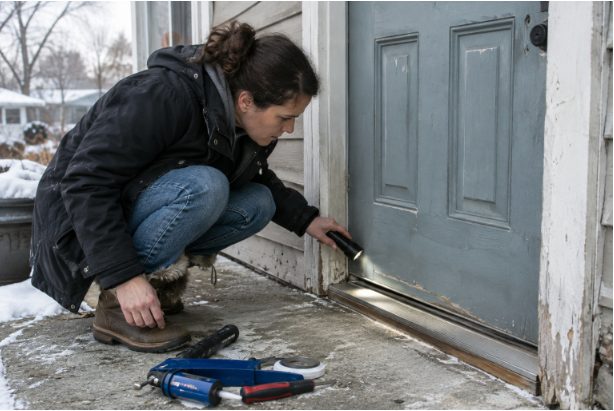
Use durable materials appropriate to the opening, replace worn weatherstripping, and add door sweeps where daylight is visible below an exterior door. The CDC’s guidance on sealing gaps and holes around a home also recommends checking utility lines, vents, attics, basements, and crawl spaces.
Check the Kitchen and Pantry
Kitchens offer easy access to food and water, but prevention is about more than a tidy countertop. Food odors, crumbs beneath appliances, open packages, pet bowls left out overnight, and slow plumbing leaks can all create opportunities.
Kitchen Prevention Checklist
- Transfer cereal, grains, snacks, and baking supplies to tightly sealed containers.
- Clean spills inside cabinets and beneath appliances.
- Wipe counters and wash dishes after meals.
- Empty indoor trash regularly and keep the container covered.
- Store pet food in a sealed container and remove leftover food after feeding.
- Inspect grocery bags and cardboard packaging before long-term storage.
- Repair dripping faucets and leaks beneath sinks.
Inspect the Attic, Basement, and Crawl Space
These low-traffic areas can provide dark, quiet places for pests to travel or nest. Bring a bright flashlight, wear gloves, and avoid stepping on unstable surfaces or disturbing damaged wiring.
What to Look For
- Droppings near walls, insulation, stored items, or appliances
- Shredded paper, fabric, dried plant matter, or insulation
- Chewed food packaging, plastic, wood, or wiring
- Rub marks along repeated travel routes
- Water stains, damp soil, damaged vapor barriers, or stale odors
Reduce Moisture and Clutter
Moisture control and organization reduce two common pest advantages: access to water and places to hide. Fix leaks promptly, clear gutters, direct downspouts away from the foundation, and check pipes or HVAC equipment for condensation.
In storage areas, use sealed plastic bins when practical, keep items off the floor, leave space between boxes and walls, and remove unnecessary paper, fabric, and packing materials. A garage, shed, or utility room that is easy to inspect is also easier to maintain.
Spot Early Warning Signs
You may find evidence before you see an animal or insect. Pay attention to droppings, gnaw marks, nesting material, unusual odors, scratching in walls or ceilings, tracks, and a pet repeatedly focusing on one cabinet, wall, or corner. One sign does not always identify the pest, but it does justify a closer inspection.
Use a Safe Prevention Plan
A practical prevention plan is repeatable. Set aside a weekend for a detailed check, then perform short monthly reviews during the colder season.
A Weekend Home Check
- Walk the exterior and note gaps, damaged screens, and vegetation touching the home.
- Inspect doors, windows, vents, roof edges, and utility openings.
- Secure food, pet supplies, and trash in the kitchen and pantry.
- Check the attic, basement, garage, and crawl space for activity or moisture.
- Remove clutter, improve storage, and record repairs that need follow-up.
Safety Reminders
Keep traps and pest-control products away from children and pets, and follow every product label. If droppings or nesting material are present, do not sweep or vacuum them dry. The CDC recommends ventilating the area, wearing gloves, wetting the material with disinfectant, and cleaning it carefully according to its safe rodent cleanup steps.
When to Seek Help
Basic prevention is often manageable, but a trained inspection may be appropriate when signs appear in multiple rooms, activity continues after repairs, contamination is extensive, or scratching comes from inaccessible areas. Seek help promptly if wiring, insulation, or structural materials appear damaged.
Frequently Asked Questions
What Attracts Pests to a Home in Winter?
Warmth, food, water, and protected nesting areas are common attractions. A home does not need to be dirty for pests to find an opening or a useful resource.
How Often Should a Home Be Checked?
Complete a detailed inspection before the coldest part of the season, then check food storage, doors, moisture-prone areas, and storage spaces about once a month.
Should Cardboard Boxes Be Stored in an Attic or Garage?
Cardboard can be difficult to inspect and may provide hiding places. If boxes must be used, keep them raised, organized, and away from walls.
Can Sealing Gaps Solve an Active Pest Problem?
Sealing entry points is essential for prevention, but it may not remove pests already inside. Active problems can also involve nests, contamination, or hidden damage that needs additional attention.