

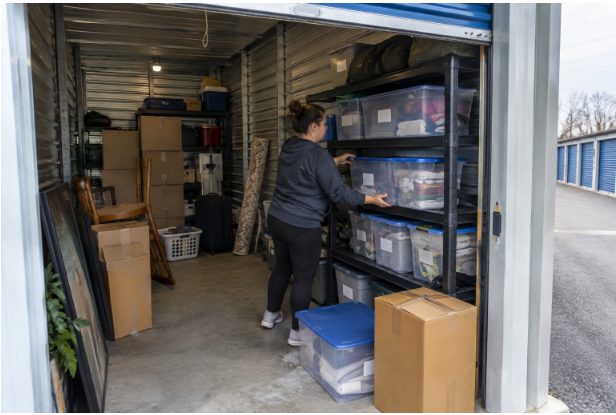
From shoreline patio furniture to winter sports equipment and boxes saved during a move, Connecticut households often need more room without giving up the rooms they use every day. Choosing self storage Connecticut residents can access is most useful when there is a clear purpose, a realistic packing plan, and a system for finding items again when the season changes.
This guide focuses on practical ways to store belongings safely and efficiently in Connecticut. Whether the goal is clearing a garage, protecting furniture during a renovation, or organizing business supplies, storage should make daily life simpler rather than create another crowded space to manage.
Why Connecticut Residents Use Storage Space
Storage can create breathing room during a move, a downsizing project, a renovation, an estate cleanout, or a growing home business. It can also help keep garages available for vehicles, spare bedrooms usable for guests, and basements easier to navigate. Rates and availability can vary by location and season, so comparing unit options before committing is sensible. In September 2026, nationally advertised self-storage rates remained below the prior year, reinforcing the value of reviewing terms, access needs, and unit size instead of renting more space than necessary.
A storage unit is best for belongings that need safekeeping but not constant use. It is generally not a substitute for a daily workspace, a retail location, a workshop, or a place to meet customers.
How To Choose the Right Storage Size
Start with a complete list of what will go into storage. Group items by size, weight, and how often they will be needed, then measure large furniture, appliances, shelving, or equipment. Leave room for a walkway and for a few future additions.
- A small collection of labeled holiday bins, seasonal clothing, and camping gear may fit in a compact space.
- A temporary move may require room for sofas, mattresses, dining furniture, and stacked boxes.
- Frequently used inventory needs more aisle space than rarely accessed keepsakes.
Choosing the smallest possible unit can become expensive in time and effort if every visit requires moving half the contents. A slightly roomier layout can make access safer and more convenient.
Storing Seasonal Gear Without Losing Track of It
Connecticut storage works best as a seasonal rotation rather than a permanent pile. Keep winter coats, holiday decorations, patio cushions, camping supplies, sports equipment, and gardening items in distinct areas. As one season ends, move the next season’s belongings closer to the entrance.
- Use sealed plastic bins for small or moisture-sensitive items.
- Label each container on at least two sides with large, specific text.
- Photograph box contents and keep a simple phone-based inventory.
- Store matching items together, such as tent poles with camping gear or ornaments with tree accessories.
Using Storage During a Move or Home Project
Temporary storage can reduce clutter when closing dates do not line up or when a home project makes certain rooms unusable. Before painting, flooring work, or kitchen repairs begin, move furniture and boxed belongings out of active work areas. Keep items being donated, sold, or discarded separate from possessions that are definitely staying.
For example, a family renovating a kitchen might store the dining table, chairs, decorative items, and extra pantry boxes for several weeks. Labeling every box by room makes the return trip and final unpacking far less confusing.
How Small Businesses Can Store Supplies
For Connecticut small businesses, storage may help keep overflow out of an office, home workspace, garage, or vehicle. Useful candidates include extra inventory, packaging materials, event tables, displays, tents, seasonal tools, spare furnishings, and paper records when permitted.
Review the facility agreement before storing commercial products, equipment, or records. A unit should not be treated as a licensed office, a customer meeting place, a retail storefront, or a production facility. Businesses that handle chemicals, fuels, or regulated materials should comply with applicable requirements rather than store them.
When Climate Control May Be Worthwhile
Connecticut’s changing temperatures and humid periods can make climate-controlled spaces worth considering for sensitive belongings. Wood furniture, musical instruments, electronics, photographs, artwork, important documents, and delicate fabrics may benefit from steadier conditions.
Climate control does not replace careful packing. Clean and dry everything first, use protective covers or containers, and avoid placing items directly against walls or on the floor when possible.
A Simple Packing and Layout System
- Clean and dry every item before packing.
- Use sturdy, similarly sized boxes whenever possible.
- Wrap fragile belongings with appropriate padding.
- Put heavy boxes on the bottom and lighter boxes above them.
- Keep a clear path from the entrance to the back of the unit.
- Place frequently needed items near the door.
- Use shelving or raised pallets if the facility allows them.
- Record the location of valuable or rarely used belongings.
A neat layout reduces unnecessary lifting, makes inspections easier, and lowers the risk of an item being damaged while searching for something else.
Storage Safety Rules To Follow
Follow the facility agreement and do not store prohibited items, including flammable liquids, explosives, illegal materials, or anything that could create a hazard. The Connecticut Department of Energy and Environmental Protection identifies materials such as gasoline, oil-based paint, thinners, pool chemicals, and pesticides as household hazardous waste that needs proper handling.
- Do not overload boxes, shelves, or stacked furniture.
- Keep doors, vents, and walkways clear.
- Use a strong lock and limit access to information.
- Maintain an updated list of valuable belongings.
- Ask an insurance provider whether stored property needs separate coverage.
A Monthly Storage Checkup
Visit periodically to check for moisture, pests, dust, damaged packaging, or unreadable labels. Update the inventory whenever items are added or removed. Before the next season begins, move relevant bins toward the front and remove belongings that no longer have a purpose. If the unit is mostly empty or difficult to access, it may be time to adjust the size or reorganize the layout.
Final Takeaway
Useful storage begins with a clear purpose and stays useful through regular upkeep. With clean packing, clear labels, a safe layout, and the right amount of room, Connecticut households and small businesses can protect seasonal gear, moving boxes, and extra supplies without letting everyday spaces become overcrowded.











4 thoughts on “A Practical Guide to Self Storage in Connecticut for Seasonal Gear, Household Overflow, and Small-Business Supplies”
Comments are closed.