

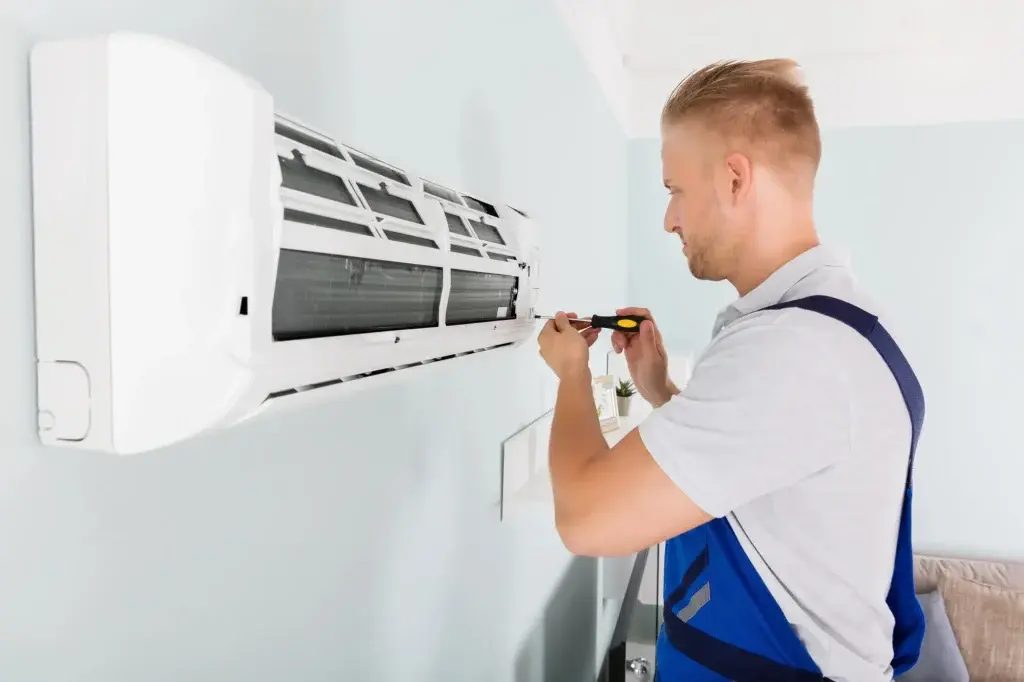
Heating and cooling equipment faces different demands as the seasons change in Bellevue. During colder months, homeowners rely on heating systems to maintain comfortable indoor temperatures, while warmer periods may increase the need for air conditioning. Between these seasons, small maintenance tasks can help identify developing problems before they affect everyday comfort. A neglected filter, obstructed vent, or change in system performance may seem minor at first, but these issues can influence airflow and operating conditions. An organised maintenance plan gives homeowners a clearer way to manage routine care, recognise warning signs, and decide when professional attention is needed. It also helps distinguish ordinary servicing from fault diagnosis or the larger decision to replace aging equipment.
Build a Maintenance Routine Around Seasonal Changes
A seasonal HVAC plan should account for how the system is used throughout the year. Before periods of heavier heating or cooling demand, homeowners can carry out basic checks and review any problems noticed during previous months.
Filter maintenance is one of the most straightforward tasks. Filters collect dust and other airborne particles as air moves through the equipment. As debris accumulates, airflow can become restricted. The correct replacement or cleaning interval depends on the filter type, manufacturer guidance, household conditions, and system usage.
Homes with pets, frequent occupancy, or higher dust levels may require more frequent checks. However, homeowners should follow the equipment and filter manufacturer's instructions rather than assume that every system uses the same schedule.
Vents and returns should also remain clear. Furniture, curtains, rugs, and stored objects can obstruct air movement. Keeping these areas open helps the system circulate conditioned air more effectively.
Before the heating season, homeowners can check thermostat settings and make sure the system responds as expected. Before warmer weather, they can inspect the outdoor unit for visible debris and ensure the surrounding area remains unobstructed.
These checks do not replace professional maintenance. They provide a simple way to identify obvious concerns and prepare the equipment for seasonal use.
Keep Vents Clear and Watch for Changes in Performance
Air distribution affects comfort throughout the home. A system may operate normally while certain rooms remain warmer or cooler than others. These differences can result from obstructed vents, duct leakage, insulation problems, equipment condition, or the layout of the building.
Homeowners should inspect supply and return vents in frequently used rooms. Curtains, furniture, storage containers, and decorative covers can reduce airflow if they block the openings. Dust around vents may also indicate that cleaning is needed.
Changes in performance deserve attention. A heating system that takes longer to warm the home than it did previously may have an airflow issue or a developing mechanical fault. During cooling season, reduced airflow or unusually long operating periods may suggest that the system needs inspection.
Unusual noises, persistent odours, frequent cycling, and repeated thermostat adjustments are also worth recording. A single observation may not indicate a serious problem, but repeated changes can provide useful information.
It is helpful to note which rooms are affected, when the issue occurs, and whether it appears during heating or cooling operation. These details can help a technician narrow down possible causes.
Homeowners should avoid attempting to adjust internal equipment components without appropriate training. Basic observations are useful, but electrical, refrigerant, and mechanical work should be handled by qualified professionals.
Know When Routine Servicing Is Different From Fault Diagnosis
Routine HVAC servicing is generally planned maintenance intended to assess equipment condition and support reliable operation. Depending on the system, a service visit may include inspection, cleaning, checking electrical connections, reviewing controls, and examining components for signs of wear.
Fault diagnosis serves a different purpose. It begins when the equipment shows a specific problem, such as poor heating, weak cooling, unusual cycling, or a failure to start. A technician investigates the symptoms and identifies the cause before recommending corrective work.
These two activities can overlap, but they should not be confused. A routine visit does not automatically resolve an existing fault, and a repair appointment may not include every task associated with a comprehensive maintenance service.
Replacement is a separate decision. It may become relevant when equipment is aging, repairs are recurring, parts are difficult to obtain, or the system no longer meets household needs. However, one breakdown does not automatically mean the entire system needs replacing.
Homeowners should ask what was inspected, what was found, and why a particular recommendation has been made. Written findings can help distinguish immediate repair needs from optional improvements or longer-term replacement planning.
Understanding these differences makes service discussions more useful and reduces the risk of agreeing to work without knowing its purpose.
Schedule Professional Inspection and Maintenance at Appropriate Times
Professional maintenance is useful before equipment enters a period of heavier use. Scheduling ahead of seasonal demand can provide more flexibility than waiting until the system develops a problem during extreme weather.
Homeowners seeking HVAC service in Bellevue, WA should clarify the purpose of the appointment. A routine maintenance visit, a complaint about reduced performance, and an assessment of aging equipment may require different inspection arrangements.
Before booking, it helps to gather information about the system. The equipment type, approximate age, previous service dates, and any recent changes in performance can give the technician useful background.
Homeowners should prepare questions about the proposed inspection, expected duration, service charges, and whether any parts or repairs would require separate approval.
A useful set of questions includes:
- Which parts of the system will be inspected and cleaned?
- Are there signs of wear or developing faults?
- Is airflow consistent across the main rooms?
- Are there any safety concerns that need attention?
- Does the equipment require immediate repair or further monitoring?
- Are any recommendations optional rather than necessary?
- What maintenance should the homeowner perform between visits?
The technician should explain findings in understandable terms. Homeowners should also receive details about any recommended work and its expected cost before authorising additional services.
Plan for Aging Equipment and Keep Useful Service Records
A maintenance plan should consider the equipment's age and history. Heating and cooling systems gradually experience wear, and certain parts may become less reliable after years of operation. Regular inspections can help identify deterioration, although maintenance cannot prevent every mechanical failure.
Homeowners should keep records of service visits, repairs, replaced components, and recurring performance issues. These records can show whether the same problem has returned and help technicians understand the system's history.
Replacement discussions should consider more than the equipment's age. The condition of major components, repair frequency, operating performance, availability of replacement parts, and household comfort requirements all influence the decision.
If a contractor recommends a new system, the homeowner should ask why repair is no longer considered suitable. They should also compare equipment capacity, efficiency information, installation requirements, warranties, and the work included in the proposal.
Changes to the property can affect replacement planning. New insulation, additional rooms, window upgrades, or altered household routines may change heating and cooling demands. A replacement system should be assessed against current building conditions rather than automatically copying the previous equipment specifications.
A written record of maintenance and performance helps make these decisions more informed.
Final Analysis
Seasonal HVAC maintenance is most effective when it combines simple homeowner checks with appropriate professional inspection. Filters, vents, and changes in system performance deserve regular attention, while routine servicing should remain distinct from diagnosing a fault or considering replacement. Preparing questions before a technician's visit helps homeowners understand the work and evaluate recommendations. Keeping service records also provides useful context when equipment begins to show signs of aging. With a consistent plan, Bellevue homeowners can respond to seasonal demands more confidently and address developing concerns before they become major disruptions.










2 thoughts on “Seasonal HVAC Maintenance: Keeping Your Bellevue Home Comfortable Year-Round”
Comments are closed.