A garden hose can rinse loose dust off a house, but it often leaves the green film under eaves and grime around window frames untouched. Tauranga homes also face salt-laden air near the coast, as well as damp, shaded spots where growth can take hold. A professional wash uses different methods for different surfaces, starting with an assessment of what needs cleaning.
Match the Method to the Surface
Cladding, painted timber and window seals do not all respond to water in the same way. A contractor should inspect the exterior before choosing a method, because a jet that shifts dirt from a hard surface can damage paint or force water behind weatherboards. Loose paint and damaged joints need attention before washing begins.
When arranging a house wash in Tauranga, ask how the contractor will treat each exterior material and whether any areas need to be excluded. A useful assessment also covers access, existing damage and plants close to the walls. These details give both parties a clear basis for agreeing on the work before water or cleaning products are applied.
A hose has its place for a gentle rinse between visits. Its spray alone, however, gives you little control over how effectively ingrained dirt is loosened without increasing pressure.
Loosen Grime Instead of Blasting It
Professional house washing often uses a low-pressure application of cleaning solution, followed by a rinse. The solution loosens or treats the buildup during a period of contact with the surface. The contractor chooses a product suited to the material and follows its label, rather than relying on force alone.
A plain-water rinse is less effective against growth attached to shaded cladding. Dirt also collects beneath gutters and around fittings, where a quick pass with a hose can leave visible streaks.
Before work starts, ask the contractor about the treatment plan:
- Which surfaces will receive a cleaning solution, and which will be rinsed with water?
- How will the solution be kept off sensitive plants and outdoor furnishings?
- What happens if staining remains after the agreed wash?
Some marks, including rust stains or damage beneath old growth, need separate treatment or repair. A wash cannot guarantee that every discolouration will disappear.
Reach the Places a Hose Misses
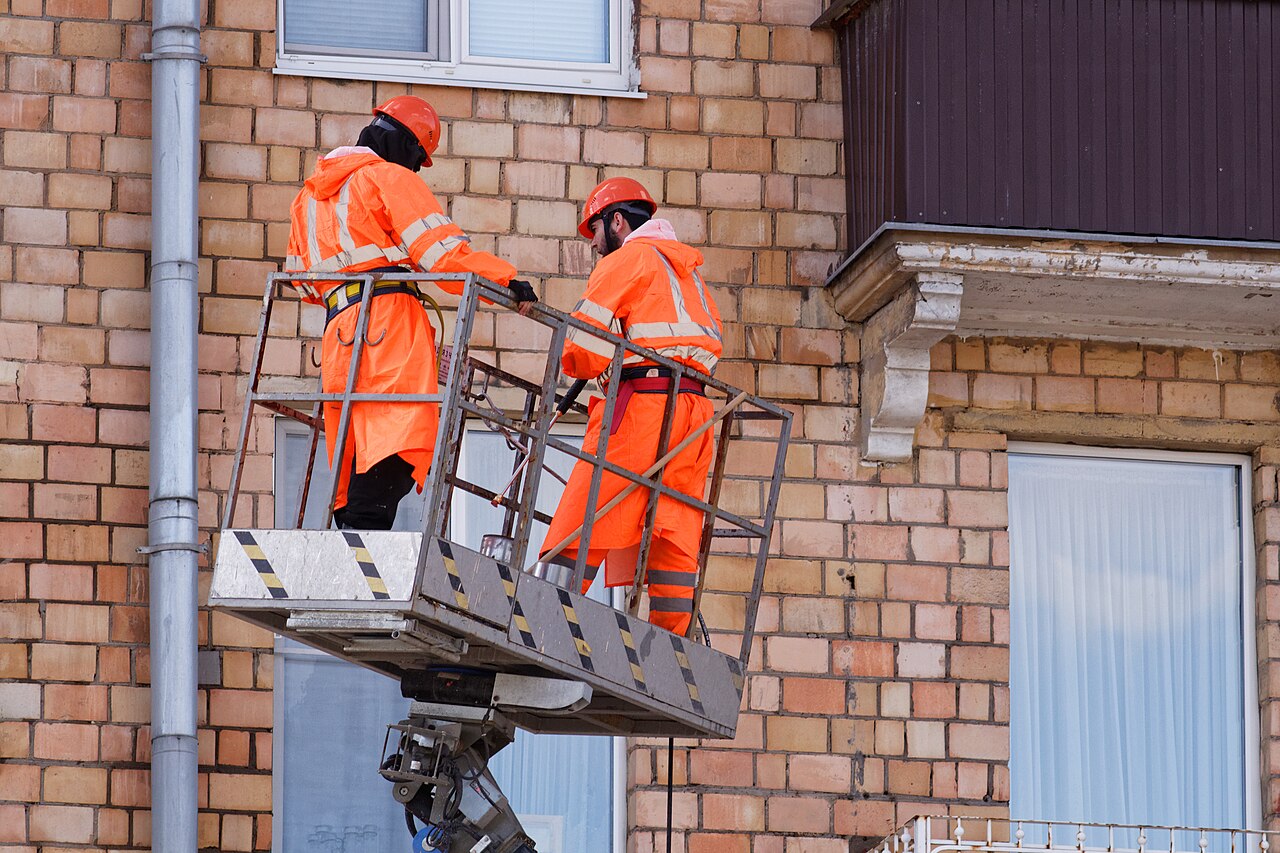
Eaves, upper-storey walls and the undersides of gutters collect grime that is hard to see from a patio. A contractor can assess access and use suitable equipment to clean those areas without asking the homeowner to lean from a ladder with a hose.
Ask what the quoted wash includes. Exterior walls, soffits and window frames are distinct surfaces, and a quote for a house wash does not automatically mean that gutters will be cleared inside or that the roof will be cleaned.
Water direction matters in these locations. A contractor should avoid driving spray upward into vents, gaps, or overlapping cladding, where water can enter the building. Point out known leaks, open joints, and fragile fittings before the visit so you can protect them or leave them out of the wash. If a surface is already damaged, cleaning it will not make it watertight.
Protect the Areas Around the House
A wash affects more than the wall being cleaned. Water and cleaning solution can reach garden beds, outdoor furniture and drains, so preparation should be part of the discussion. Local requirements for wash water can vary, and the contractor should explain how runoff will be managed at your property.
Before the appointment, agree on who will prepare the following areas:
- Close windows and doors, and secure any openings that could admit water.
- Move portable furniture and pots away from the walls where practical.
- Identify electrical fittings, damaged seals and areas with known leaks.
- Point out garden beds and rainwater collection systems near the work.
The contractor should also check whether cleaning products are suitable for nearby surfaces. If the house has suspected asbestos-containing material, do not disturb or pressure-wash it; seek qualified advice before any cleaning. Keep children and pets away from the work area until the contractor confirms it is safe to return.
Check the Results and Plan Upkeep
After the rinse, walk around the house with the contractor if possible. Look at shaded walls, sheltered corners, and the edges of window frames, where leftover film is easier to miss. Ask about any marks that remain and whether they are dirt, staining or damage to the finish.
A clean surface also makes maintenance problems easier to spot. Peeling paint, cracked sealant and gaps around fittings need repair rather than another wash. Photograph any concerns and discuss them with the appropriate tradesperson before fresh growth covers them.
Between professional washes, a gentle hose rinse can remove loose surface dirt, provided the cladding and seals are sound. Watch areas that stay damp or collect salt spray, and arrange the next wash according to their condition rather than a fixed schedule. That approach keeps routine maintenance focused on what the house needs.
Conclusion
Before booking, walk around your house and note its cladding, damaged areas, and spots where green growth has settled. Ask for a clear description of the cleaning method, included surfaces, and runoff precautions. A professional wash should leave you with cleaner exterior surfaces and a better view of any repairs needed. Keep the hose for light rinsing, and address leaks or failing paint before the next thorough clean.