An ingrown toenail can make walking, wearing shoes, or even touching the toe uncomfortable. Redness and swelling can also leave you wondering whether the nail is infected or needs a procedure. Care now ranges from conservative nail management to minor surgery, depending on the nail and your health. Knowing what an assessment involves and how treatment is chosen can help you decide what to do next.
Why Treatment Starts With an Assessment
The first step is finding out why the nail edge is pressing into the surrounding skin. A podiatrist examines the nail and skin, asks about your symptoms and health history, and checks whether the problem has happened before. The ingrown toenail treatment options include careful nail management, bracing, and minor surgery. The right choice depends on the condition of the nail and your needs.
The assessment also considers factors that can cause the problem to return, such as tight footwear, nail shape, injury, or infection. Tell the clinician when the pain began, whether you have had treatment before, and what makes the toe worse. Those details help show whether the case is mild or needs more direct care.
What Happens at the Appointment
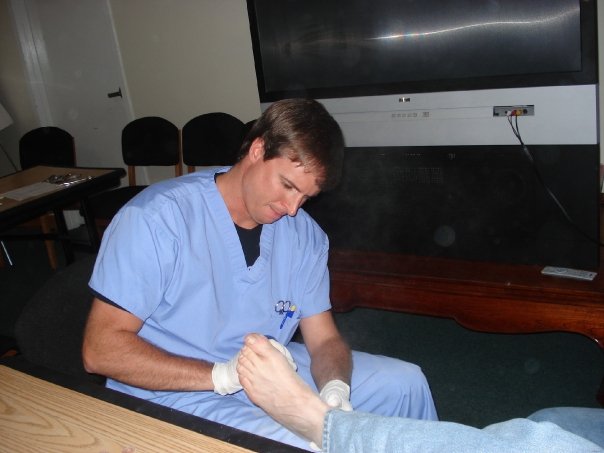
The clinician examines the nail edge and nearby skin, then explains what they find. They will ask about pain, swelling, discharge, and health conditions that could affect healing. You should leave knowing what each recommended option involves and what care the toe will need afterwards.
Surgery is not the automatic next step. Mild cases may respond to conservative care, while recurring symptoms, marked inflammation, or infection call for a closer discussion of other approaches. Ask why a treatment suits your case, what discomfort to expect, and how to care for the toe after treatment.
Non-Surgical Care and Nail Bracing
A podiatrist can manage some mild or moderate cases without removing the nail. A nail brace is another non-surgical option. Onyfix is a nail correction system that guides the nail as it grows. The correction takes place over time, so it does not change the nail immediately.
The available approaches address the nail in different ways:
- Conservative care focuses on the affected area without surgery.
- Onyfix uses a brace to guide the nail as it grows.
- Surgery removes part of, or, when needed, all of the nail.
The choice depends on the nail, your symptoms, and your health history. Avoid digging out the nail corner yourself. Cutting too deeply or rounding the edges can irritate the skin and make the problem harder to treat.
When a Minor Procedure Is Recommended
If the nail edge keeps causing pain or inflammation, partial nail avulsion removes the section pressing into the skin. A clinician may recommend it when conservative care has not resolved the problem or the symptoms keep returning. The procedure targets the affected edge and leaves the rest of the nail in place.
Total nail avulsion removes the entire nail plate. Clinicians reserve it for cases where the whole nail is damaged or infected; it is not the default approach. Ask why partial or total removal fits your case and whether the plan includes steps to reduce recurrence.
A local anaesthetic is used during nail surgery, so you should not feel pain during the procedure. The toe can be uncomfortable afterwards. Before treatment, tell the clinician about your medicines, allergies, health conditions, and any concerns about anaesthetic or healing.
Recovery and Preventing Another Episode
Follow the aftercare instructions, including directions for keeping the toe clean. Expect some tenderness after a procedure, and ask when to change a dressing, return to regular footwear, and resume your usual activities. If pain, redness, swelling, or discharge gets worse, contact the treating clinician.
Once the toe has settled, choose shoes with enough room around the toes to reduce pressure. Cut nails straight across instead of rounding the corners, and avoid trimming them too short. These habits do not correct every nail shape, but they can reduce common sources of irritation.
Healing time depends on the treatment and the toe’s condition. Ask what normal healing should look like in your case and whether you need a follow-up appointment. Children and teenagers can also be assessed, and the clinician can explain which approach fits their symptoms and nail.
Conclusion
An ingrown toenail does not always need surgery. An assessment can show whether careful nail care, bracing, or removing part or all of the nail best addresses the problem. If symptoms keep returning, become severe, or include signs of infection, arrange a podiatry appointment instead of cutting into the nail yourself. Ask for a clear treatment and aftercare plan.