Commercial properties face different pest management challenges depending on their size, industry, building structure, and daily operations. Restaurants, warehouses, offices, retail stores, healthcare facilities, and manufacturing units can all experience pest problems that affect cleanliness, employee safety, inventory, and business reputation. In a growing city like San Antonio, changing weather conditions, commercial development, and increased business activity can create favorable environments for various pests. Implementing a professional Commercial Pest Control San Antonio program helps businesses identify infestation sources, manage recurring pest activity, and maintain cleaner, safer facilities.
Professional pest management involves more than eliminating visible insects or rodents. It focuses on identifying pest entry points, understanding infestation patterns, improving sanitation practices, and applying appropriate treatment methods. With regular inspections and preventive measures, businesses can reduce the likelihood of recurring infestations while protecting their commercial properties and daily operations.
Understanding Common Pest Challenges in Commercial Properties
Commercial buildings provide different conditions that can attract pests. Food preparation areas, storage rooms, drainage systems, waste collection points, and utility spaces may offer access to food, moisture, and shelter. When these conditions are not properly managed, pest populations can establish themselves and spread throughout a facility.
Cockroaches, ants, rodents, flies, spiders, and termites are among the common pests that can affect commercial properties. Restaurants may experience problems with cockroaches and flies because of food residue and moisture. Warehouses may face rodent activity around stored products and packaging materials, while office buildings can experience ant infestations near break rooms and plumbing areas.
Identifying the specific pest species is an important first step toward effective management. Different pests require different inspection methods, treatments, and preventive strategies. Professional technicians evaluate the affected areas to determine the nature and extent of the problem before recommending an appropriate solution.
Why Persistent Pest Infestations Require Professional Attention
Recurring pest problems often indicate that the original infestation source has not been completely addressed. Treating visible pests without identifying nesting areas, breeding conditions, or entry points may provide only temporary relief.
For example, cockroaches can hide inside wall voids, electrical cabinets, equipment spaces, and drainage areas. Rodents may enter through small structural openings and establish nesting locations in storage rooms or ceiling spaces. Ant colonies can remain active outside a building while workers repeatedly enter through cracks and gaps.
Professional pest management focuses on understanding these underlying causes. Technicians inspect affected locations, identify potential harborages, and determine which environmental conditions support pest activity.
A professional Commercial Pest Control San Antonio service can help businesses address recurring infestations through targeted treatments, monitoring, and preventive recommendations. This approach reduces dependence on repeated temporary treatments and supports more sustainable pest management.
Protecting Business Reputation and Customer Confidence
Customer confidence is essential for businesses operating in competitive markets. Visible pest activity can create negative impressions, particularly in restaurants, hotels, grocery stores, retail establishments, and other customer-facing environments.
Even a small pest problem can raise concerns about sanitation and property maintenance. Customers who notice insects, rodents, or signs of infestation may question the cleanliness of the premises. Negative experiences can also influence online reviews and future purchasing decisions.
Professional pest management helps businesses maintain cleaner environments by addressing pest activity before it becomes a visible problem. Regular inspections, sanitation recommendations, and appropriate treatments can reduce the possibility of customers encountering pests during their visits.
Maintaining a pest management program also demonstrates that business owners take property maintenance and customer comfort seriously. Consistent attention to pest prevention can strengthen customer confidence and support a positive business reputation.
How Professional Inspections Identify Hidden Infestation Sources
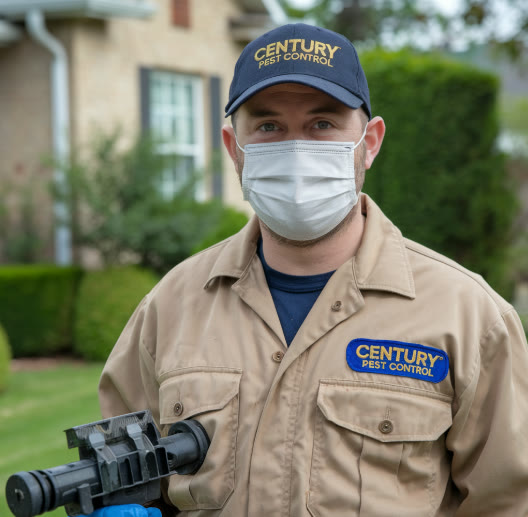
A thorough inspection is one of the most important parts of an effective commercial pest management program. Instead of focusing only on visible pest activity, trained technicians evaluate different areas of a property to identify conditions that may contribute to infestations.
Inspections may include:
- Food storage areas: Checking packaging, shelves, containers, and storage conditions for signs of insects or rodents.
- Waste disposal locations: Identifying accumulated waste, uncovered containers, and sanitation problems.
- Drainage systems: Looking for moisture-related conditions that may attract cockroaches and flies.
- Structural openings: Examining cracks, gaps, damaged seals, and openings around doors and windows.
- Ceiling and wall spaces: Checking accessible areas for nesting activity, droppings, and other infestation indicators.
- Exterior surroundings: Inspecting vegetation, standing water, garbage areas, and building foundations.
These inspections help technicians understand where pests are entering, hiding, and reproducing. Based on their findings, they can recommend targeted treatments and improvements that address the actual causes of pest activity.
Integrated Pest Management for Long-Term Commercial Protection
Integrated Pest Management (IPM) is an approach that combines inspection, monitoring, sanitation, exclusion, and carefully selected pest control treatments. It focuses on preventing infestations and managing pest populations while reducing unnecessary pesticide applications.
For commercial properties, IPM provides a structured way to address different pest risks without relying exclusively on chemical treatments.
Important IPM practices include:
1. Regular Monitoring
Monitoring devices, inspection records, and pest activity observations help technicians understand where infestations are occurring. This information allows businesses to identify recurring problems and evaluate whether control measures are working.
2. Improved Sanitation
Cleaning food preparation surfaces, removing waste regularly, maintaining storage areas, and eliminating food residue can reduce the resources pests need to survive.
3. Structural Exclusion
Sealing cracks, repairing damaged door sweeps, installing appropriate screens, and closing utility openings can limit pest entry into commercial buildings.
4. Targeted Treatments
When necessary, professional technicians select appropriate products and treatment methods based on pest identification, infestation severity, and the property’s operating requirements.
5. Continuous Evaluation
Follow-up inspections help determine whether pest populations have decreased and whether additional corrective measures are necessary.
Combining these practices creates a more comprehensive approach to commercial pest management and helps businesses maintain long-term protection.
Industry-Specific Pest Control Requirements
Different commercial industries have different pest management priorities. A treatment strategy that works for an office building may not be suitable for a restaurant, warehouse, or healthcare facility.
Restaurants and Food Service Businesses
Restaurants must pay particular attention to cockroaches, flies, ants, and rodents. Food preparation surfaces, kitchen equipment, drains, and waste storage areas require regular inspection and cleaning. Professional pest management helps identify potential contamination risks and supports appropriate sanitation practices.
Warehouses and Distribution Centers
Warehouses may experience rodent and stored-product pest activity because of incoming shipments, cardboard packaging, and long-term inventory storage. Regular inspections of loading docks, storage racks, receiving areas, and inventory help identify problems before they spread.
Office Buildings
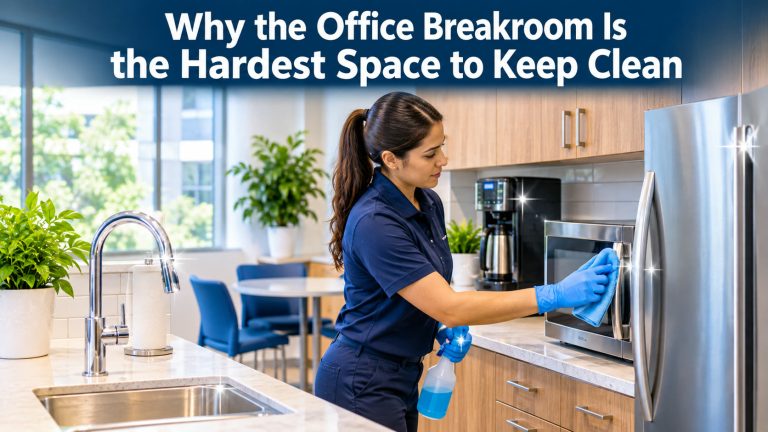
Office environments may experience ant, cockroach, spider, and occasional rodent activity. Break rooms, kitchens, storage closets, plumbing areas, and ceiling spaces are important inspection locations.
Healthcare and Educational Facilities
Healthcare facilities and educational institutions require careful pest management because of their responsibility to maintain clean and safe environments. Treatment plans must consider occupants, sensitive areas, operational schedules, and applicable safety requirements.
Professional technicians can adjust inspection and treatment strategies according to each facility’s specific needs.
Preventing Pest-Related Property Damage and Operational Disruptions
Pests can cause more than sanitation problems. Certain species can damage building materials, electrical components, stored products, and commercial equipment.
Rodents may chew electrical wiring, insulation, packaging, and other materials. Termites can damage wooden structural components, doors, and interior fixtures. Stored-product insects may contaminate inventory and create financial losses for businesses that handle food or packaged goods.
Pest infestations can also interrupt normal business activities. Extensive treatment requirements, damaged inventory, cleaning procedures, and restricted access to affected areas may create operational challenges.
Preventive pest management helps businesses identify risks early and reduce the possibility of extensive damage. Routine inspections and timely corrective actions can support uninterrupted operations and protect valuable commercial assets.
The Importance of Scheduled Pest Control Treatments
One-time pest treatments may not provide lasting results when buildings continue to have favorable conditions for pest activity. Regular inspections and scheduled treatments provide opportunities to identify developing problems and address them before infestations become severe.
The appropriate service frequency depends on several factors, including:
- Type and size of the commercial property.
- Industry-specific sanitation requirements.
- Previous pest infestation history.
- Seasonal pest activity.
- Building structure and surrounding environment.
- Level of pest exposure and operational risk.
Some facilities may benefit from monthly inspections, while others may require more frequent monitoring or a different treatment schedule. A professional technician can recommend an appropriate plan based on the property’s conditions.
Maintaining inspection records, treatment details, and follow-up observations also helps business owners understand pest activity over time. These records can support better facility management decisions and improve communication between property managers and pest control professionals.
Choosing the Right Commercial Pest Control Provider in San Antonio
Selecting a reliable pest management provider is an important decision for commercial property owners. Businesses should consider the provider’s experience, licensing, inspection procedures, treatment methods, and ability to develop customized service plans.
A professional company should begin by understanding the property’s pest concerns rather than recommending the same treatment for every facility. Clear communication about inspection findings, treatment procedures, safety precautions, and follow-up requirements is also important.
Business owners should look for pest control professionals who understand the requirements of different commercial industries and can adjust their strategies according to property conditions.
When evaluating Commercial Pest Control San Antonio services, businesses should prioritize providers that emphasize preventive management, responsible treatment applications, and long-term infestation control. These qualities help establish a consistent approach to maintaining commercial properties.
Conclusion
Persistent pest infestations can create serious challenges for commercial properties by affecting sanitation, customer confidence, employee comfort, inventory, and building conditions. Addressing these problems requires more than occasional treatments. Businesses need a comprehensive strategy that combines professional inspections, pest identification, sanitation improvements, structural exclusion, monitoring, and appropriate treatment methods.
Professional Commercial Pest Control San Antonio services help businesses identify infestation sources, manage recurring pest activity, and develop preventive plans suited to their facilities. By investing in consistent pest management and working with experienced professionals, San Antonio businesses can protect their properties, reduce operational disruptions, and maintain cleaner and more welcoming environments for employees and customers.