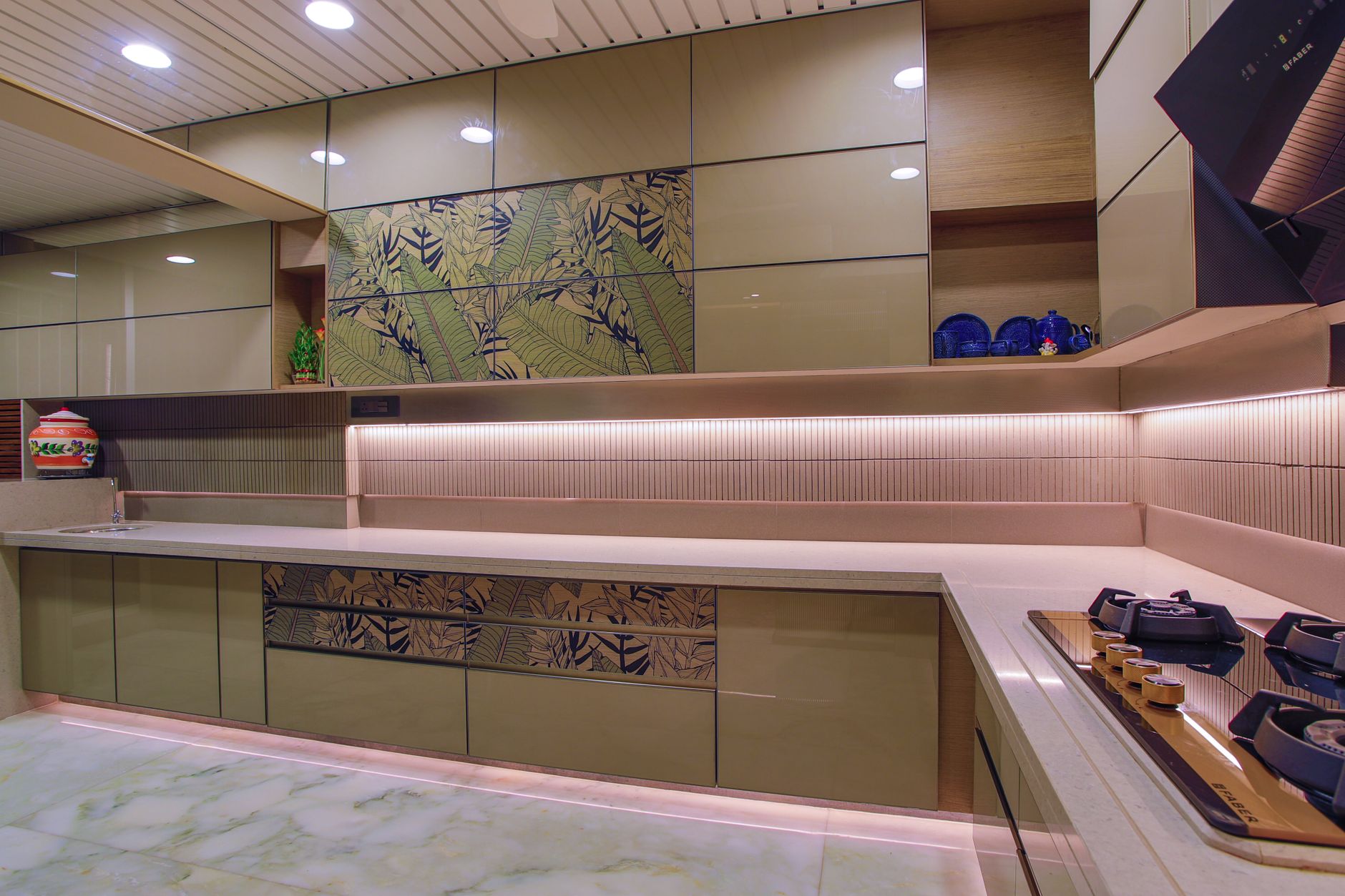
Homeowners often begin planning a kitchen renovation by saving photos of beautiful spaces online. While inspiration galleries are useful, they rarely reflect the routines, storage needs, and daily challenges of the people who will actually use the room. The kitchens that continue to feel comfortable and functional years after a remodel are usually designed around real life instead of passing design trends.
If you're researching Kitchen remodeling in Springfield, MO, one of the smartest first steps isn't choosing cabinet colours or worktops. It's paying attention to how your current kitchen supports—or complicates—your everyday routine. Small frustrations that happen several times a day often reveal the improvements that will make the greatest long-term difference.
Your Daily Routine Reveals More Than Any Design Catalogue
Many homeowners don't realise how many compromises they've adapted to over the years. Walking around an open dishwasher, searching for cooking utensils stored across the room, or preparing meals with limited worktop space gradually becomes normal. These inconveniences may seem minor individually, but together they affect how enjoyable and efficient the kitchen feels.
A thoughtful remodel begins by observing these patterns rather than immediately selecting finishes. Families who cook together require different layouts from those who primarily entertain guests. Someone who enjoys baking regularly needs generous preparation surfaces, while another homeowner may value hidden appliance storage to maintain a cleaner appearance.
When renovation plans start with behaviour instead of aesthetics, every design decision becomes easier because it serves a clear purpose.
Function Creates Beauty That Lasts
It's easy to admire a perfectly styled kitchen in a photograph, but those images rarely show how the space performs during a busy weekday morning. Lasting design comes from balancing visual appeal with practical usability.
Traffic flow is one of the most overlooked aspects of a successful remodel. A kitchen should allow people to move comfortably without interrupting someone cooking. Islands should create opportunities for gathering rather than obstacles to navigate. Storage should be positioned where items are naturally used, reducing unnecessary movement throughout the room.
These practical considerations often have a greater impact on daily satisfaction than expensive finishes. A well-organised kitchen with thoughtful storage frequently feels more luxurious than a larger room with poor functionality.
Storage Should Solve Problems, Not Simply Add Cabinets
Adding more cabinetry isn't always the answer. Effective storage is about making everyday items easier to access while reducing visual clutter.
Deep drawers often outperform traditional lower cabinets because they bring contents into view without requiring homeowners to kneel or reach into dark corners. Vertical dividers can keep baking trays organised, while dedicated pantry zones simplify grocery storage and meal preparation.
Appliance garages, concealed charging stations, and integrated recycling solutions are examples of details that quietly improve daily living without dominating the overall design. These additions may not be the first features visitors notice, but they're often the improvements homeowners appreciate most after the renovation is complete.
A Kitchen Should Support the Way Your Household Changes
Families evolve, and homes should evolve with them.
A couple may eventually have children, adult children may return home, or retired homeowners may spend significantly more time cooking than they once did. Designing only for today's needs can shorten the lifespan of a renovation.
Flexible layouts provide lasting value because they accommodate changing lifestyles. Wider walkways improve accessibility for all ages, while generous seating areas create spaces where conversations naturally happen during meal preparation. Durable materials and timeless layouts also reduce the likelihood of needing another major remodel purely because trends have changed.
Planning with the future in mind often leads to more confident decisions and better long-term investment.
The Same Principles Apply Beyond the Kitchen
Many of the ideas that create an exceptional kitchen also improve other areas of the home. Bathrooms benefit from storage that reflects daily routines instead of generic layouts. Basements become more valuable when designed around specific activities rather than remaining undefined spaces. Decks perform best when they encourage natural gathering and connect seamlessly with indoor living areas.
Viewing renovation as a way to improve how people experience their homes—rather than simply updating appearances—creates greater consistency throughout the property. Individual projects feel connected because they're guided by the same philosophy of practical, intentional design.
This approach also makes phased renovations easier. Whether improvements happen over one year or several, every project contributes toward a cohesive home instead of becoming an isolated upgrade.
Thoughtful Planning Often Saves More Than It Costs
One of the biggest misconceptions about remodeling is that success depends primarily on choosing premium materials. In reality, careful planning usually has a greater influence on the finished result.
Adjusting a layout before construction begins is considerably easier than correcting mistakes afterwards. Considering lighting, storage, appliance placement, and circulation early in the process helps homeowners avoid expensive revisions while ensuring each investment contributes meaningful value.
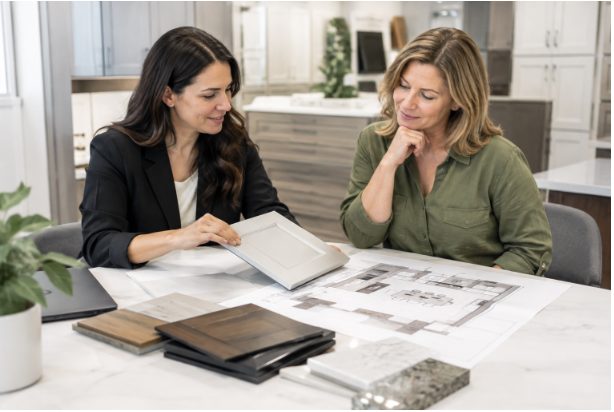
Professionals who spend time understanding how clients live can often recommend solutions that homeowners may never have considered themselves. Sometimes relocating a doorway or repositioning an island creates a more dramatic improvement than upgrading to higher-priced finishes.
Good design isn't about spending more. It's about making smarter decisions before construction starts.
A Home Should Feel Better Every Day, Not Just Look Better
The most successful remodeling projects aren't remembered because they followed every design trend of the year. They're remembered because everyday tasks become easier, entertaining feels more enjoyable, and the home better reflects the people who live there.
When homeowners shift their focus from creating a picture-perfect kitchen to creating one that genuinely supports daily life, the finished result often feels both more beautiful and more valuable.
Experienced remodeling companies, such as Good Life Home Renovations, understand that exceptional renovations begin with listening before designing. By combining practical planning with quality craftsmanship across kitchens, bathrooms, basements, decks, and whole-house remodels, homeowners can create spaces that continue to work well long after the excitement of construction has passed.