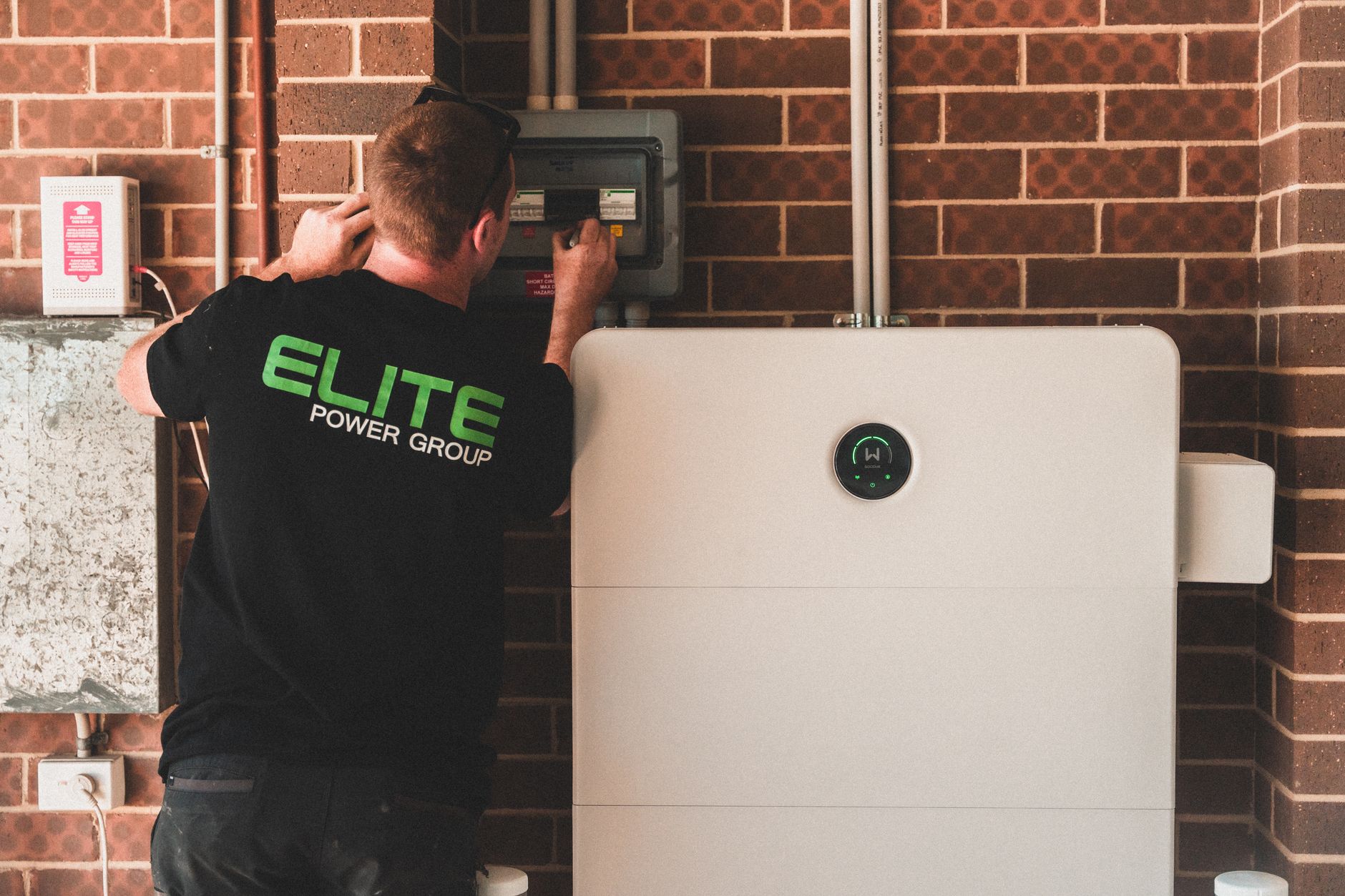
Battery storage has become an important part of modern energy management, particularly for properties that use solar power or want greater control over when electricity is available. A battery system can store excess energy and make it available later, helping property owners use generated electricity more efficiently. However, choosing and installing a battery requires careful consideration of energy consumption, system capacity, equipment compatibility, safety, installation requirements, and future needs. Solar battery installation is therefore not simply a matter of purchasing a battery and connecting it to an existing electrical system. A properly planned project involves assessing energy requirements, selecting suitable equipment, determining the correct installation location, configuring the system, and establishing an appropriate maintenance plan. Understanding these factors can help property owners make informed decisions and get better long-term value from their energy storage investment.
Understanding Battery Storage Systems
A battery storage system stores electrical energy so it can be used when needed. In a solar-powered property, excess electricity generated during periods of strong sunlight can potentially be stored instead of being used immediately. That stored energy can then be available during periods when solar production is lower. Battery systems can also support backup power strategies, depending on their design and the electrical circuits connected to them. The technology has developed considerably, with different battery chemistries, capacities, control systems, and configurations available for different applications. Understanding how a battery works and how it interacts with solar panels, inverters, and household or commercial electrical equipment is an important first step before selecting a system.
Why Battery Storage Is Useful
One of the main benefits of energy storage is greater control over electricity usage. Without storage, electricity generated by solar panels is generally used when it is produced or handled according to the property's electrical arrangement. A battery provides another option by allowing excess energy to be stored for later use. This can be useful when electricity demand is higher in the evening or when solar production is temporarily reduced. Battery storage can also provide additional flexibility during certain power interruptions when the system has been designed to support backup operation. The value of storage depends on the property's energy consumption patterns, solar generation, electricity costs, and specific goals. A battery should therefore be selected based on practical needs rather than simply choosing the largest available capacity.
Assessing Energy Consumption
Before selecting a battery, property owners should review how and when electricity is consumed. Daily energy usage alone does not provide the complete picture because the timing of consumption can be equally important. For example, a property may generate significant solar energy during the day but use more electricity during the evening. A battery can potentially help shift some of that energy from one period to another. Reviewing electricity bills, monitoring equipment, appliance usage, and seasonal patterns can provide useful information. Future energy requirements should also be considered because consumption may increase after adding an electric vehicle, heating equipment, appliances, or other electrical loads. Understanding these patterns helps determine a storage system that is appropriately sized for both current and expected requirements.
Choosing the Right Battery Capacity
Battery capacity refers to the amount of energy the system can store, usually expressed in kilowatt-hours. Selecting the right capacity involves balancing energy needs, available solar production, backup requirements, budget, and physical installation space. A battery that is too small may not provide enough stored energy to meet the property's goals, while an oversized battery may increase costs without providing proportional benefits. The usable capacity can also differ from the battery's total rated capacity because manufacturers may specify operating limits designed to protect the battery and extend its useful life. Property owners should therefore consider usable storage rather than looking only at the headline capacity. A professional assessment can help determine an appropriate balance between storage requirements and overall system cost.
Considering Battery Chemistry
Different battery technologies have different characteristics, and the choice of chemistry can affect performance, lifespan, safety, weight, and cost. Lithium-based batteries are widely used in modern energy storage applications, while other technologies may be suitable for specific situations. Within lithium technology, different chemical compositions can also offer different performance and safety characteristics. Property owners should consider the manufacturer's specifications, expected cycle life, operating conditions, warranty terms, and installation requirements when comparing products. The best option depends on the intended application rather than one technology being universally suitable for every property. Reviewing the complete technical specifications can provide a better understanding of how a battery is expected to perform over its useful life.
Understanding Inverter Compatibility
A battery storage system needs to work correctly with the property's solar and electrical equipment. In many installations, the inverter plays a central role in managing the flow of electricity between solar panels, batteries, the electrical system, and other sources. Some systems use equipment designed specifically for battery integration, while others may require additional components. Compatibility should be confirmed before purchasing equipment because not every battery works with every inverter. The system also needs to be configured so that charging, discharging, monitoring, and backup functions operate correctly. Choosing compatible equipment at the design stage can prevent costly modifications and reduce installation complications later.
Planning the Installation Location
The location of the battery is an important part of system planning. Batteries need to be installed in an environment that meets the manufacturer's requirements for temperature, ventilation, moisture protection, accessibility, and clearance. The installer should also consider the distance between the battery and other electrical equipment because cable routing can influence the design. A suitable location should allow technicians to inspect and service the equipment when necessary. It should also provide appropriate protection from accidental damage and environmental conditions. Installation location requirements vary depending on the battery technology and product specifications, so property owners should rely on the manufacturer's instructions and qualified professional guidance when determining where the system should be placed.
The Importance of Professional Installation
Working with an experienced professional for solar battery installation can help ensure that the battery, inverter, electrical equipment, and control systems are properly integrated. Battery systems involve electrical energy storage and should not be treated as a simple do-it-yourself electrical project. A qualified installer can evaluate the existing system, determine appropriate equipment, configure protective devices, complete wiring, and test the completed installation. Professional installation can also help identify potential problems involving electrical capacity, equipment compatibility, ventilation, or placement. Property owners should consider qualifications, experience with battery systems, product knowledge, warranties, and customer support when choosing an installer. Proper installation is essential for both performance and safety.
Battery Safety Considerations
Safety should be a major priority when installing and operating any energy storage system. Batteries store significant amounts of electrical energy, so equipment needs appropriate protection against faults, overheating, physical damage, and other potential problems. Battery systems should be installed according to manufacturer requirements and applicable electrical standards. Protective equipment, disconnects, monitoring systems, and appropriate wiring may all be part of a safe installation. The installation area should also provide the clearances and environmental conditions specified for the equipment. Property owners should never modify battery systems without appropriate professional guidance. Following installation instructions and maintenance recommendations helps reduce avoidable risks and supports reliable operation.
Backup Power Capabilities
Some battery systems can provide backup power during a grid interruption, but not every installation automatically supports this function. Backup capability depends on the battery, inverter, electrical configuration, and circuits connected to the system. Property owners should determine which appliances or areas they want to keep operating during an outage and discuss these requirements during system planning. Critical loads may include lighting, refrigeration, communication equipment, security systems, or other essential electrical devices. A backup system may be configured to power selected circuits rather than the entire property, depending on capacity and design. Understanding these limitations before installation helps ensure that expectations match the actual capabilities of the system.
Managing Energy During Outages
A battery can provide additional flexibility during a power interruption when the system is designed for backup operation. However, the available backup time depends on battery capacity, the amount of electricity being consumed, and the equipment connected to the backup circuits. Heavy loads can drain stored energy more quickly, while careful energy management can extend the available operating period. Property owners should understand which appliances consume the most electricity and determine which loads are essential during an outage. Monitoring tools may provide information about remaining battery capacity and current energy consumption. Having a clear backup strategy can help property owners make better use of stored energy when normal electricity service is unavailable.
Monitoring Battery Performance
Modern storage systems often include monitoring capabilities that allow users to observe charging, discharging, energy levels, and system status. Monitoring can provide valuable insight into how the battery is being used and whether it is operating within expected parameters. Some systems can also provide alerts when unusual conditions are detected. Regularly reviewing performance information can help property owners identify changes that may require professional attention. Monitoring can also help users understand how their energy consumption patterns affect battery operation. While digital monitoring is useful, it does not replace physical inspection and maintenance. The combination of system data and professional checks can provide a more complete approach to long-term battery management.
Maintaining the Battery System
Battery systems generally require less routine maintenance than some other energy equipment, but maintenance requirements should still be taken seriously. Property owners should follow the manufacturer's recommended inspection schedule and keep the installation area clean, dry, and free from obstructions. Warning indicators, unusual noises, visible damage, or unexpected changes in system performance should be investigated by a qualified professional. Electrical connections and other components may also require periodic inspection. Maintenance procedures vary depending on the battery technology and equipment design, so owners should follow the specific instructions provided with their system. Proper maintenance can help identify potential problems early and support reliable operation throughout the battery's expected service life.
Understanding Battery Lifespan
Battery systems have a finite operating life, and their performance can gradually change with use. Battery lifespan is influenced by factors such as chemistry, operating temperature, charge and discharge patterns, depth of discharge, system management, and overall installation conditions. Manufacturers may provide expected cycle counts or warranty periods that give property owners an indication of anticipated performance. It is important to understand that a battery's usable capacity may decline over time. This does not necessarily mean the system has suddenly failed; gradual degradation is a normal characteristic of many battery technologies. Reviewing expected lifespan and warranty information before purchase can help property owners plan for long-term ownership and eventual replacement.
Considering Temperature and Environment
Temperature can affect battery performance and lifespan, making environmental conditions an important part of installation planning. Extremely high or low temperatures may influence charging, discharging, efficiency, or long-term degradation depending on the battery technology. Manufacturers typically specify acceptable operating and storage temperature ranges. The installation location should therefore be selected with these requirements in mind. Appropriate environmental controls or protective measures may be necessary in certain situations. Property owners should not assume that a battery can be installed anywhere convenient. Following the manufacturer's environmental requirements helps protect the equipment and supports more consistent performance over time.
Evaluating System Efficiency
The overall efficiency of a storage system depends on more than the battery itself. Energy can be lost during charging, storage, conversion, and discharge, meaning that the amount of electricity originally generated may not equal the amount eventually available for use. Inverter efficiency, battery characteristics, wiring, system controls, and operating conditions can all influence performance. When comparing storage systems, property owners should consider round-trip efficiency and other relevant specifications rather than focusing only on capacity. A system with appropriate efficiency can make better use of available solar energy. Understanding these technical details can help buyers compare products more realistically and avoid selecting equipment based solely on one specification.
Planning for Future Energy Needs
Energy requirements can change over time, so future needs should be considered before finalizing a battery system. A property may add an electric vehicle, increase solar generation, install electric heating, or experience changes in occupancy and electricity consumption. The initial system may be designed with future expansion in mind if the equipment and electrical infrastructure allow it. Property owners should discuss potential future requirements with the installer before purchasing equipment. Planning ahead may help avoid compatibility problems and unnecessary replacement costs. A flexible system can provide greater value when energy requirements change, but expansion possibilities depend on the specific equipment and installation design.
Comparing Battery Storage Options
Property owners should compare several battery products before making a final decision. Important factors include usable capacity, efficiency, warranty terms, expected lifespan, safety features, operating temperature range, monitoring capabilities, compatibility, and installation requirements. Price is also important, but it should be evaluated alongside the expected performance and service life of the equipment. A cheaper battery may not provide the same capacity, warranty protection, or operating characteristics as a more expensive model. Detailed comparisons can help identify the option that best fits the property's needs and budget. Professional advice can also be useful because installers may understand practical compatibility issues that are not obvious from product specifications alone.
Avoiding Common Installation Mistakes
Several mistakes can reduce the effectiveness or safety of a battery storage project. These may include choosing an unsuitable battery capacity, ignoring inverter compatibility, installing the equipment in an inappropriate location, failing to consider future energy needs, or overlooking backup power requirements. Poor cable routing, inadequate protection, and insufficient maintenance planning can also create problems. Property owners can reduce these risks by researching equipment carefully, asking detailed questions, reviewing system specifications, and working with qualified professionals. A detailed installation plan should explain how the battery will interact with existing solar and electrical equipment. Careful preparation before installation is often easier and less expensive than correcting problems after the system has been commissioned.
Understanding Warranty Protection
Battery warranties can vary significantly between manufacturers and products. Some warranties specify a number of years, while others also include expected energy throughput or remaining capacity requirements. Property owners should carefully review what is covered and what conditions may affect warranty validity. Installation workmanship may be covered separately from the battery itself. Documentation should be stored safely so that warranty information is available if service becomes necessary. Understanding warranty terms can help property owners compare products more effectively and plan for long-term ownership. A strong warranty does not eliminate the need for good maintenance, but it can provide additional protection against certain equipment problems during the covered period.
Long-Term Energy Benefits
Battery storage can provide several potential benefits when it is appropriately sized and integrated with a solar system. It can help shift energy from periods of high solar production to times when electricity is needed, improve control over energy usage, and support backup power strategies where available. The overall value depends on the property's energy consumption, solar production, electricity arrangements, battery performance, and installation quality. Storage can also provide greater visibility into how energy is being generated and consumed when combined with monitoring technology. Rather than viewing a battery as an isolated piece of equipment, it is better understood as part of a broader energy management strategy. Proper planning can help maximize its usefulness over time.
Final Thoughts
Battery storage can be a valuable addition to a solar energy system, but achieving reliable results requires careful planning and professional installation. Property owners should evaluate energy consumption, choose appropriate capacity, consider battery chemistry, confirm equipment compatibility, select a suitable installation location, and understand safety and maintenance requirements. Solar battery installation should be approached as a complete system project rather than simply purchasing a battery and connecting it to existing equipment. Professional assessment can help ensure that the battery works effectively with solar panels, inverters, electrical circuits, and monitoring technology. By comparing products carefully, understanding warranties, planning for future energy requirements, and maintaining the equipment properly, property owners can make a more informed investment. A well-designed battery system can provide useful energy storage, greater flexibility, and potential backup capabilities while supporting a more efficient and manageable approach to renewable energy.