

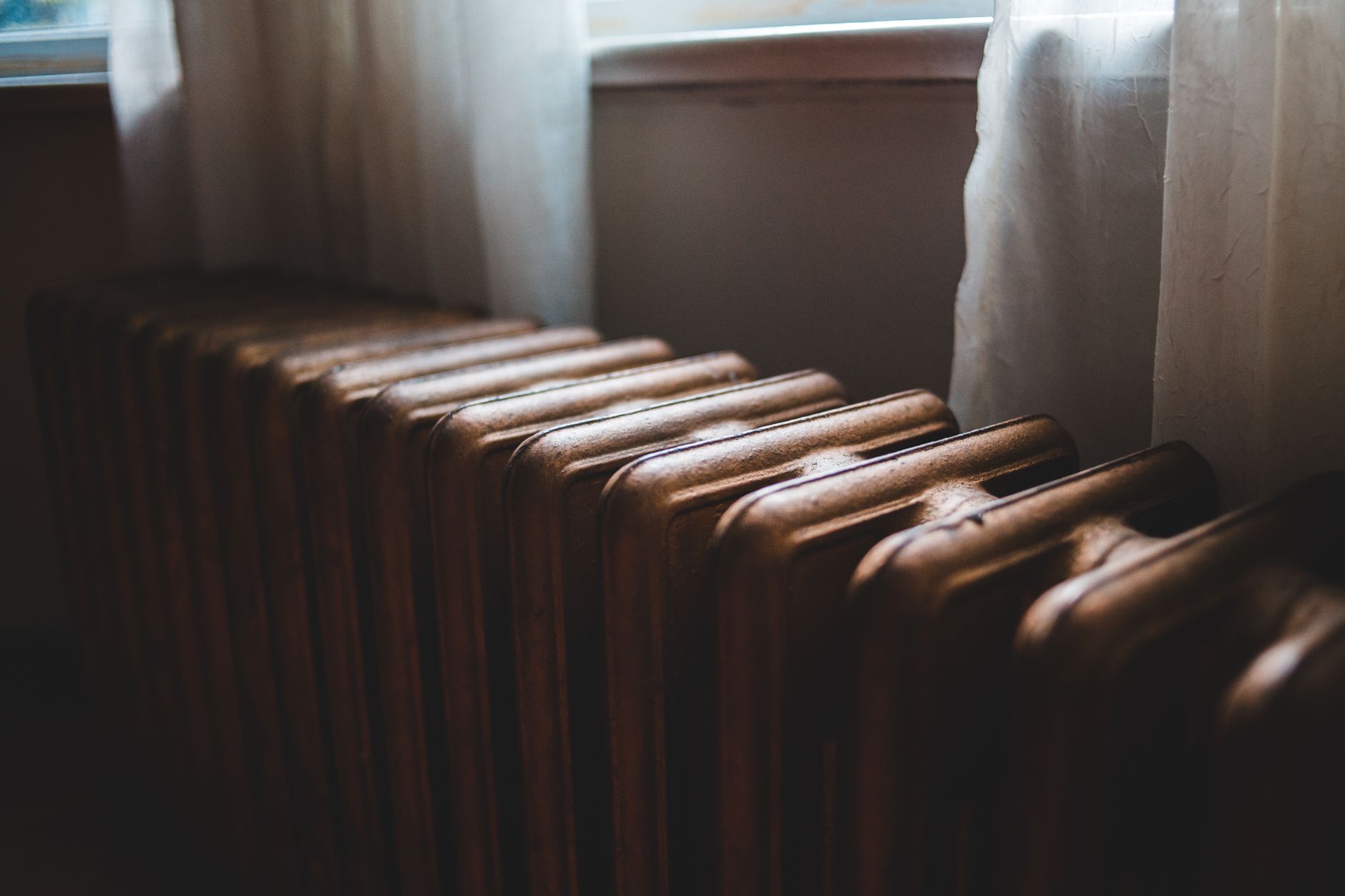
It is 2:14 AM. You are wrapped in three blankets, and your breath is forming small clouds in the dark. The house groaned and clicked an hour ago, and now the silence has a cold weight to it. You already know what happened: the furnace died, and nobody is coming until morning at the earliest. Or so you think.
Here is the honest truth: most night time furnace failures fall into one of two buckets. Either the problem is something you can fix in ten minutes with a flashlight, or it is a genuine equipment failure that a licensed technician has to handle. The skill is telling the difference without freezing while you figure it out. This guide walks you through the exact order of operations, what to touch, what to leave alone, and when your best move is picking up the phone.
Why Furnaces Wait Until 2 AM to Break
Furnaces do not have a sense of drama, but they do follow a cruel logic. The coldest hours of the night are also the hours when your system has been running hardest. A unit that has been cycling constantly since dinner has more chances to hit its limits. Components that were already weak, a drafty heat exchanger, a failing igniter, a clogged filter, simply give out under sustained load.
There is also the reset factor. Many modern furnaces have safety switches that trip when something looks wrong. If the unit short cycles, the control board can lock itself out after three failed attempts. By the time you wake up cold, the furnace has already tried and failed several times on its own. It is not a random event. It is the end of a process that started hours earlier.
Understanding that helps you skip the panic. Your house is not falling apart. A specific component hit its limit. There is a clear path forward, and it starts with getting warm while you assess the situation.
The First 15 Minutes: A Simple Sequence
Before you touch anything, deal with the humans in the house. Grab every blanket you own. If you have kids, move them into one room and close the door. Body heat in a small space is genuinely effective for a short window. This is not the time for heroics. It is the time for smart triage.
Once everyone is tucked into a single room, work this checklist in order:
- Check the thermostat. Is it actually set to heat? Did someone bump it down earlier? Does the display show a blank screen? A dead thermostat battery is embarrassingly common.
- Look at the furnace itself. Is the power switch near the unit in the on position? Did a breaker trip? Your electrical panel will tell you.
- Find the filter. If it looks like it is wearing a fur coat, that is your problem. A choked filter starves the furnace of airflow, which triggers high limit switches.
- Listen for the sequence. When you turn the thermostat up, you should hear the inducer motor spin, then the igniter click. If you hear nothing at all, suspect power. If you hear clicking but no flame, suspect ignition.
That last point matters more than most people realize. The Environmental Protection Agency tracks residential energy use extensively, and heating consistently represents the largest slice of the average home’s utility bill. A furnace that cycles on and off repeatedly is wasting that energy and wearing itself out. If your unit is short cycling, meaning it runs for a minute then shuts down, that is a red flag you should not ignore until morning.
What You Can Safely Fix Yourself
I will be direct with you: there are exactly three things you should attempt at 2 AM. Anything beyond these, you call someone.
One: the thermostat. If it is battery powered, replace the batteries. If it is a smart thermostat, check whether it lost its Wi-Fi connection, which some models interpret as a reason to shut down. A hard reset, pulling it off the wall plate for thirty seconds, resolves a surprising number of issues.
Two: the filter. If you have a spare, swap it. Even if it does not solve the problem, you have eliminated the single most common cause of airflow-related shutdowns. If you do not have a spare, you can remove the dirty filter entirely for a few hours. This is a temporary measure, but it is safe and it works.
Three: the condensate line. This applies to high efficiency furnaces. If the line that drains water away from the unit is frozen or clogged, the furnace detects the backup and shuts down. Look for a plastic pipe near the unit. If it is frozen, pour warm water, not boiling, down the line to clear it.
Notice what is not on this list: opening the burner compartment, testing gas valves, or fiddling with the igniter. The Occupational Safety and Health Administration maintains strict standards around gas appliances for a reason. Carbon monoxide poisoning and house fires are real risks, and they spike when well-meaning homeowners go exploring inside the wrong parts of their equipment.
When to Stop and Make the Call
Here is the line: if the checklist did not solve it, and you can hear the furnace trying to start but failing, you are done. Do not keep resetting it. Do not whack the side of the unit. Every failed ignition attempt sends raw gas into the burner chamber. On a modern furnace, the safety controls vent that gas before trying again, but you are asking a safety system to work overtime. That is not a gamble worth taking.
Similarly, if you smell gas at any point, stop everything. Do not flip light switches. Do not use your phone inside the house. Get everyone outside and call your gas company from a neighbor’s home. That is non-negotiable.
If the situation is merely cold and annoying, not dangerous, then you have a choice. You can bundle up and wait for a standard appointment tomorrow, or you can call for reliable same-day furnace repairs and have a technician at your door in hours instead of days. When the temperature is dropping and you have kids or older adults in the house, the choice is obvious. Your tolerance for discomfort is personal. Your family’s safety is not.
How to Survive the Wait Without Damaging Your Pipes
Furnace failures do not just make you cold. They create a cascade risk that most homeowners never consider: frozen pipes. When water inside your supply lines freezes, it expands, and that expansion cracks pipes. The damage shows up later, when everything thaws and water pours into your walls.
The danger threshold is surprisingly low. When indoor temperatures stay below roughly 55 degrees for an extended period, pipes in exterior walls and unheated crawl spaces become vulnerable. By the time your house feels truly cold, you may already be in that zone.
Here is what you do while you wait:
- Let faucets drip. A slow trickle keeps water moving through the lines, which resists freezing. Do this for both hot and cold taps, especially on exterior walls.
- Open cabinet doors under sinks. This lets warmer room air circulate around the pipes.
- Close the damper on your fireplace if you have one. An open damper is a direct chimney for heat loss.
- Shut off the water main if you are leaving the house. Better to deal with no water than a burst pipe.
You can also create a heat refuge. Pick the smallest room in the house, close the door, and use space heaters rated for indoor use. Keep them at least three feet from anything flammable. Never leave them running while you sleep. This is not a long term strategy, but it buys you hours of manageable comfort.
The Department of Energy publishes straightforward guidance on home heating efficiency, and their baseline recommendation is consistent: keep your home at a reasonable temperature and address issues before they become emergencies. That advice feels useless at 2 AM, I know. But it frames what you do next, once the immediate crisis passes.
Morning After: What to Say to the Technician
When the technician arrives, your job is to give them a clear story. What did you hear? When did it happen? What did you already try? This information genuinely speeds up the diagnosis. A technician who knows you already replaced the filter and checked the breaker skips straight to testing the igniter and flame sensor.
It is also worth being honest about your own comfort level. If the furnace is old, say fifteen years or more, the technician is going to raise the replacement question. That conversation is easier to have in daylight with options on the table. Ask about repair versus replacement costs. Ask about warranties and financing. You do not have to decide anything on the spot, but you should understand the tradeoffs before the unit fails again.
And it will fail again if it is on its last legs. Same day furnace repair solves tonight’s problem. Whether that fix is worth it, or whether you are pouring money into a dying system, is the real question the morning after.
The One Thing You Should Do This Week
Once you are warm again and the immediate panic has faded, schedule a routine maintenance visit. Not because something is broken, but because a professional inspection catches the small issues that turn into 2 AM failures. The technician will clean the burners, check the heat exchanger for cracks, verify the gas pressure, and confirm the safety controls function.
That visit costs a fraction of an emergency call. Beyond winter heating checks, taking time before the warmer months arrive to inspect cooling components can protect your home from sudden breakdowns year-round. Scheduling a routine Air conditioning repair service or tune-up ensures that hidden wear is caught early, helping maintain indoor comfort and system efficiency through every seasonal transition. More importantly, it gives you a heads up when major components are nearing the end of their lifespan. You get to choose when to replace the furnace, on your schedule, in daylight, with options. That is a vastly better position than standing in a freezing hallway at 2 AM trying to remember which breaker controls the furnace.
The question you should keep in mind is simple: was tonight a fluke, or was it a warning sign? Most of the time, it is the latter. The furnaces that fail in the middle of the night are rarely the ones that were maintained last month. They are the ones that have been limping along for years. Tonight told you the truth about your system. The only question left is what you do with that information.










1 thought on “What to Do When Your Heating System Quits in the Middle of the Night”
Comments are closed.