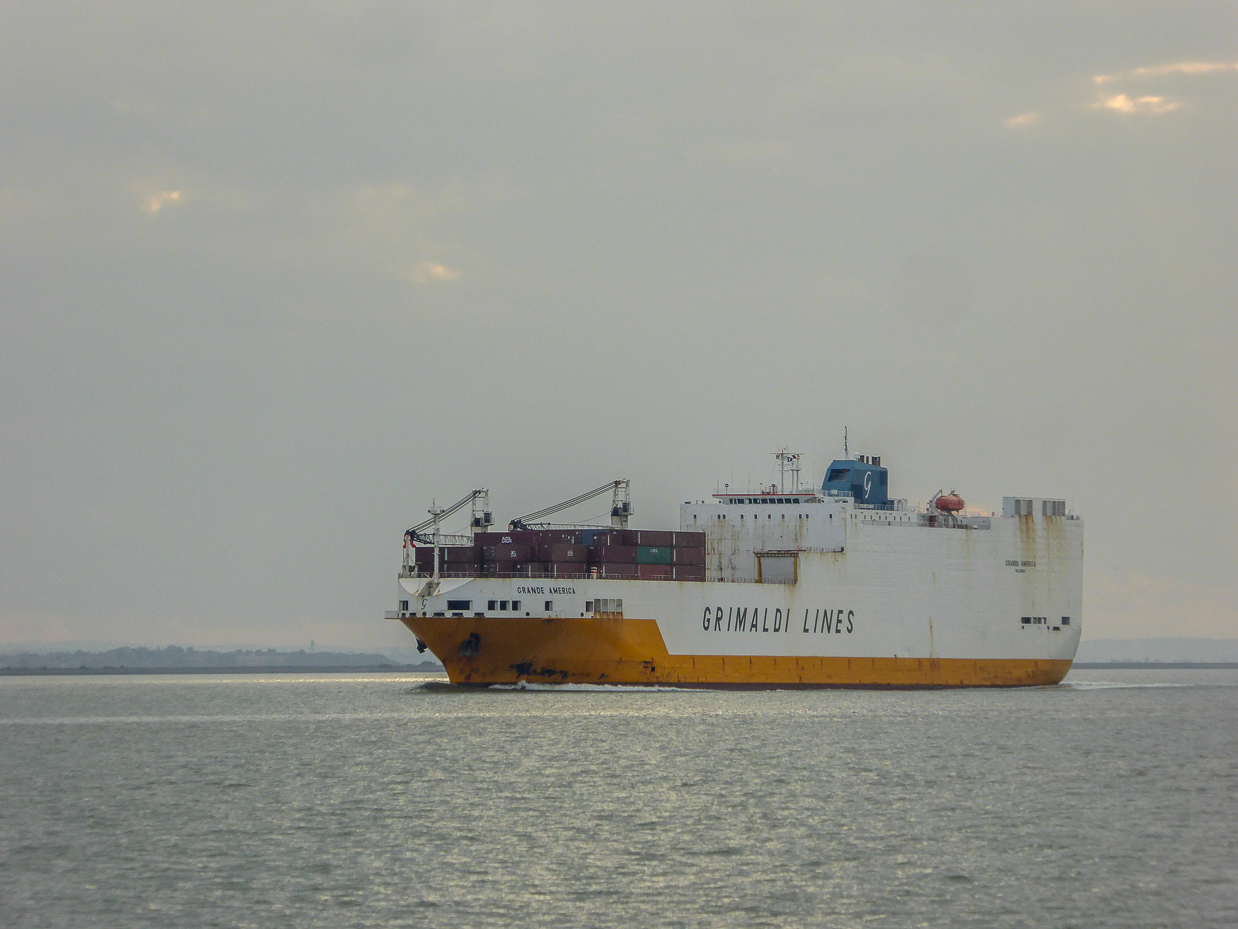
Working at sea offers many benefits, including high savings potential (backed by extended periods of paid leave) and global travel opportunities, with the potential for unique and elevated experiences many people will never discover.
However, balancing these perks are long days and restricted living while on board. Furthermore, you’re thousands of miles from home, and even the simplest interactions that we rely on can feel out of reach.
Fortunately, advances in satellite technology are helping bridge that distance, making it easier to stay connected with loved ones and enjoy a more fulfilling life onboard.
Understanding modern satellite connectivity
For years, crews relied on expensive, limited satellite connections. Modern maritime satellite internet architecture has changed what’s possible, by combining multiple networks into one package to help ensure cost-effective connectivity in any location, with up to 99.95% uptime.
The addition of low Earth orbit (LEO) satellite has made a significant difference. While traditional geostationary satellites orbit approximately 22,000 miles above Earth, newer LEO networks operate much closer to the planet, reducing latency and helping applications respond more quickly.
With suitable equipment and coverage, those working at sea can now enjoy faster, more reliable connections across many ocean routes. However, it’s important to note that connection still depends on factors such as a vessel’s location and onboard equipment. When bandwidth is limited, many ships prioritise essential functions and the guest experience over crew requests.
Turning connectivity into crew welfare
Spending months away from home can take an emotional toll, particularly when you miss important milestones or you’re finding work stressful. While internet access can’t replace being with loved ones in person, it can help you maintain meaningful relationships and stay connected to your interests and passions.
Regular video calls with family, staying connected to international news, downloading new books and watching your favorite shows and films can all contribute to a better quality of life onboard.
Shipping companies can support crew welfare by providing affordable personal internet access and setting reasonable data allowances. Having internet timetables can assist with ensuring a reliable connection for people when needed. Companies can also establish private spaces for calls, allowing you to speak openly with loved ones without disturbing your colleagues.
Bringing shoreside expertise aboard
Satellite connectivity doesn’t just improve your personal life. It also makes your working day easier by giving you access to specialist support without waiting until your vessel reaches port.
Imagine you’re an engineer dealing with an unfamiliar equipment fault. Rather than relying entirely on onboard manuals, you could share diagnostic information with a shoreside technician who can help identify the problem. With sufficient bandwidth, you might even arrange a live video consultation, allowing the specialist to examine the equipment remotely.
You can also invest in a managed maritime satellite internet package, so onshore experts are on hand to help you stay connected.
Supporting learning and development at sea
Long voyages can also create opportunities to develop your skills, particularly when you have reliable access to online learning resources. Studying during your free time when there are minimal distractions can be highly rewarding. Online training platforms offer opportunities to strengthen your technical knowledge, improve your language skills or work toward professional qualifications.
Shipping companies can make learning more accessible by offering dedicated bandwidth for training and providing courses that crews can download for independent offline study.
Although satellite connectivity won’t eliminate every challenge of working offshore, it can make the distance between ship and shore feel considerably smaller and provide crew members with more opportunities to make life at sea rewarding.