A leather crossbody bag can become an everyday companion, but looks alone tell you little about how well it will handle regular use. A strap can wear at its attachment points, and a zip that catches in the shop is unlikely to improve with time. Before choosing a bag, take a closer look at the materials and the parts you will use most.
1. Leather That Suits Your Routine
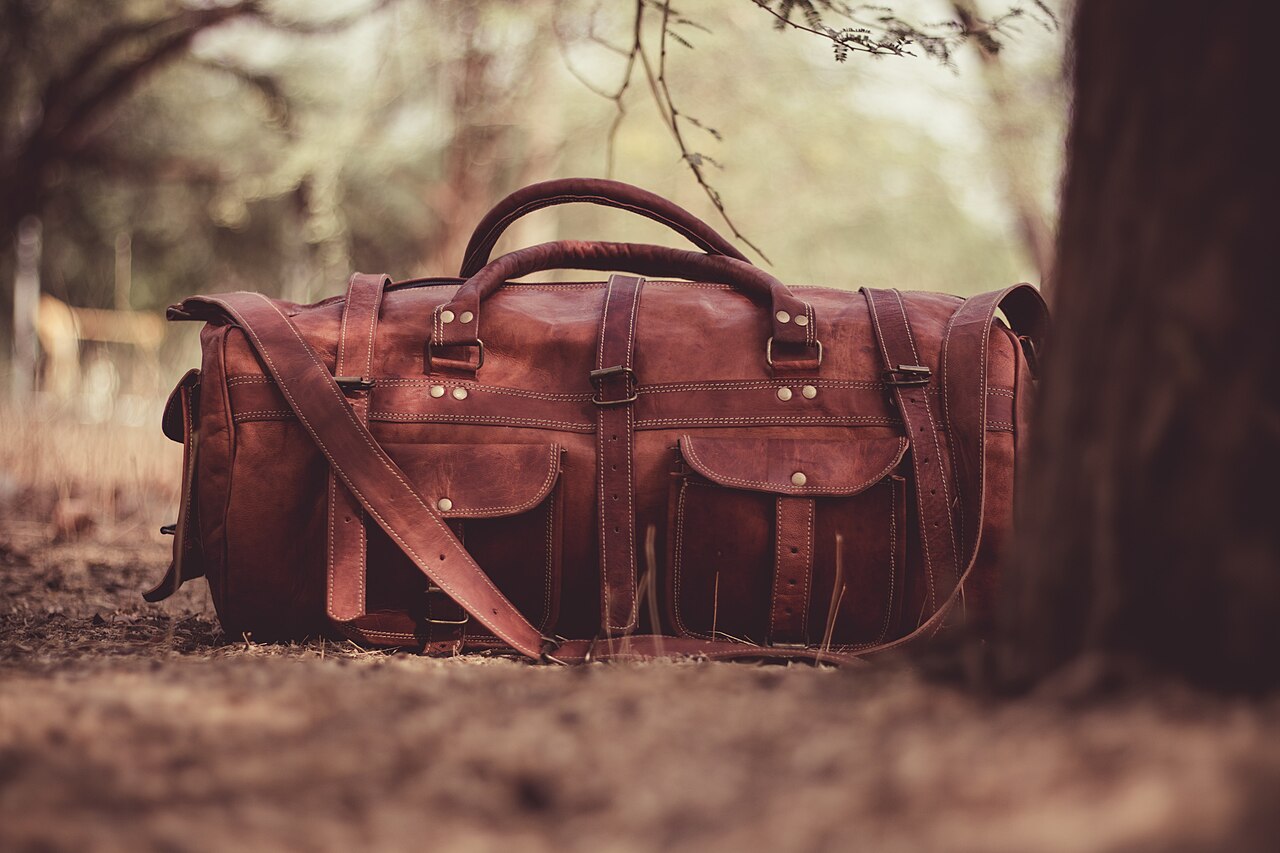
Leather varies in finish and thickness, so judge it against the way you plan to carry the bag. A search for a leather crossbody bag in NZ will bring up different shapes and finishes; look beyond the colour and check the description for the type of leather used. Ask for more detail if the listing does not explain it.
A natural-looking surface with some variation is normal. A heavily coated finish can conceal the grain, so inspect it closely for cracks or peeling, especially around folds.
Choose a finish you are prepared to maintain. Smooth leather can show scratches, while textured leather can make small marks less visible. Neither appearance guarantees durability on its own.
2. Secure Stitching and Finished Edges
Seams hold the bag together under repeated strain. Look for even stitches, without loose threads or gaps where panels meet. Pay particular attention to the base and the points where the strap joins the body.
The leather around a seam should lie flat without puckering or pulling apart when you handle the bag. If shopping online, enlarge the photographs and ask for a closer view of any area you cannot see clearly.
Check the edges, too. A finished edge should look neat and feel smooth, without loose layers. Edge paint can wear with use, but visible cracking on a new bag is worth questioning before you buy.
3. A Strap Built for Daily Carrying
A crossbody strap takes the weight of everything inside the bag. Check its full length, then look closely at the ends, where strain concentrates during wear.
These details are worth checking before you decide:
- Stitching at each attachment point sits flat and looks secure.
- Buckles hold the chosen length without slipping during movement.
- Strap edges feel smooth against clothing and exposed skin.
- Clips, if fitted, close fully and move without catching.
Adjust the strap while wearing the bag with your usual coat or jacket. The bag should sit comfortably against your body and remain easy to reach. A removable strap is useful if you want the option to replace it, but check that its clips and attachment rings are equally dependable.
4. Hardware That Works Smoothly
Zips, clasps, and buckles get used every day, so test each one more than once. A zip should travel smoothly without snagging the lining, and its pull should be easy to grip. A clasp should close securely without needing to be forced.
Look at how the hardware connects to the leather. A loose ring or a fitting that twists the surrounding material can place extra strain on the attachment point. Ask whether a damaged fastening can be repaired or replaced.
For an online purchase, inspect close-up photographs and check the product description for details about the closure. If the mechanism is unclear, ask the seller before ordering.
5. A Practical Shape and Interior
A bag that fits your routine is less likely to be overstretched or set aside. Think about the items you carry most days, then check that the opening is wide enough to retrieve them without pulling at the zip.
Inside, examine the lining and pocket seams. The fabric should feel securely attached, with no loose threads near the opening. A zipped pocket can keep small items contained, but check that its fastening runs freely, too.
Consider how the bag sits when filled. A structured shape helps keep its form, while a softer body can mould around its contents. Choose the style that suits what you carry, rather than filling a small bag beyond its comfortable capacity.
6. Care and Repair Information
Leather needs care suited to its finish. Before buying, check the care instructions and ask which cleaning or conditioning products are appropriate. A product intended for one finish can change the appearance of another, so test any treatment on a discreet area first.
Think about wet weather, too. If the bag gets damp, blot it gently and let it dry naturally away from direct heat. Store it in a dry place when it is not in use, without crushing the body or folding the strap sharply.
Ask about repairs before a problem occurs. A replaceable strap, accessible zip, or repairable seam can make a bag easier to keep in use, though the options depend on its construction.
Conclusion
Before buying, choose a bag that fits your daily load and inspect the parts that will take the most wear. If you cannot examine it in person, request clear photographs of the strap joins, seams, and closure, then read the care instructions and return conditions. A little checking at this stage gives you a better basis for choosing a bag you will want to carry for years.