

Introduction
For a long time, many businesses focused mostly on getting new customers. They invested heavily in ads, promotions, discounts, cold outreach, and campaigns designed to bring more people through the door. New customer acquisition is still important, but it is no longer enough to build strong and sustainable growth. In today’s competitive market, the real advantage often comes from keeping the customers a business already has.
Customer loyalty is becoming more valuable because people have more choices than ever. They can compare brands quickly, read reviews, switch providers easily, and discover competitors through social media, search engines, and online recommendations. If a brand does not give customers a reason to stay, they can leave without much effort. Loyalty helps businesses reduce this risk by creating stronger relationships, deeper trust, and more repeat purchases.
Loyalty also depends on how a brand presents itself and communicates over time. A business that looks professional, consistent, and trustworthy is more likely to stay in the customer’s mind. For example, a new company building its identity can use an AI logo to create a polished visual foundation that helps customers recognize the brand more easily across websites, emails, social media, and campaigns.
What Customer Loyalty Really Means
Customer loyalty is more than someone buying from a business once or twice. True loyalty happens when customers repeatedly choose the same brand because they trust it, like the experience, and feel that it meets their needs better than other options. Loyal customers do not return only because of price. They return because the brand gives them confidence.
A loyal customer may recommend the business to friends, leave positive reviews, join a membership program, follow the brand online, or choose it even when competitors offer similar products. This kind of loyalty is built through consistent value, not one-time tricks.
Businesses sometimes confuse loyalty with rewards programs. Points, discounts, and special offers can help, but they are not the whole story. A customer may join a rewards program but still leave if the service is poor or the product disappoints them. Real loyalty comes from trust, quality, convenience, and emotional connection.
Why Loyalty Matters More Than Acquisition Alone
Acquiring new customers can be expensive. Businesses often spend money on advertising, content, sales teams, influencer campaigns, SEO, events, and promotions to attract attention. But if those customers buy once and never return, growth becomes harder to maintain.
Loyal customers create more stable growth. They already know the brand, understand the value, and need less convincing. This can reduce marketing pressure and improve long-term revenue. A business that keeps customers well does not have to restart the relationship from zero every time.
Repeat customers may also spend more over time. As trust grows, they may try new products, upgrade services, buy more frequently, or choose higher-value options. This makes loyalty one of the most practical drivers of business growth.
Trust Is the Foundation of Loyalty
Customers stay loyal to brands they trust. Trust grows when a business keeps its promises, communicates clearly, and delivers a consistent experience. If a company says delivery will take three days, it should try to meet that expectation. If a service promises helpful support, the support should actually be useful. If a product description says something specific, the product should match it.
Trust is also built when brands are honest during difficult moments. Mistakes happen. Orders can be delayed, products can have issues, and services can fall short. What matters is how the business responds. A clear apology, fast solution, or respectful explanation can protect loyalty even when something goes wrong.
Customers do not expect perfection, but they do expect responsibility. Brands that handle problems with care often keep customers longer than brands that ignore issues or make excuses.
Customer Experience Keeps People Coming Back
Customer experience is one of the strongest reasons people stay loyal. A great product may attract someone once, but a smooth experience brings them back. This includes every touchpoint, from browsing the website to contacting support, receiving the product, using the service, and getting follow-up communication.
A loyal customer usually remembers how easy the brand made things. Was the website simple to use? Was the checkout process clear? Did support reply quickly? Did the product arrive on time? Was the return process fair? These details shape whether someone wants to buy again.
In many industries, products and prices are similar. Customer experience becomes the difference. People often choose the brand that makes life easier, not necessarily the one with the lowest price.
Personalization Strengthens Loyalty
Personalization helps customers feel recognized. When a brand remembers preferences, recommends relevant products, or sends useful content based on past behavior, the experience feels more thoughtful. Customers are more likely to return when the brand seems to understand them.
For example, an ecommerce brand can suggest products that match previous purchases. A software platform can send tips based on how a user uses the tool. A beauty brand can recommend items based on skin type or routine. A travel company can suggest destinations that match past interests.
Good personalization saves time and makes the customer journey more relevant. However, it should be respectful. If personalization feels too invasive or aggressive, it can damage trust. The goal is to be helpful, not uncomfortable.
Loyalty Grows When Customers Feel Valued
Customers want to feel like more than a transaction. Small moments of appreciation can make a big difference. Thank-you emails, birthday offers, early access, exclusive content, personal recommendations, or helpful follow-ups can make customers feel valued.
This does not mean businesses need to use complicated loyalty tactics. Sometimes simple communication is enough. A brand that checks in after a purchase, asks for feedback, or offers useful guidance can create a stronger connection.
Feeling valued also comes from being heard. When customers share feedback and the business responds, they feel included. If a brand improves based on customer suggestions, loyalty can become even stronger because customers see that their voice matters.
Community Can Turn Customers Into Advocates
Customer loyalty becomes stronger when people feel part of a community. Digital communities, social media groups, membership spaces, forums, events, and brand communities can help customers connect with each other and with the business.
A community gives customers a reason to stay engaged beyond buying. They can ask questions, share experiences, learn tips, show results, and feel connected to people with similar interests. This is especially powerful for brands in fitness, beauty, education, software, gaming, wellness, fashion, and creative industries.
When customers feel connected to a brand community, they may become advocates. They do not only buy from the brand; they recommend it, defend it, and help others understand its value. Advocacy is one of the strongest forms of growth because it comes from genuine customer belief.
Loyalty Programs Still Have Value
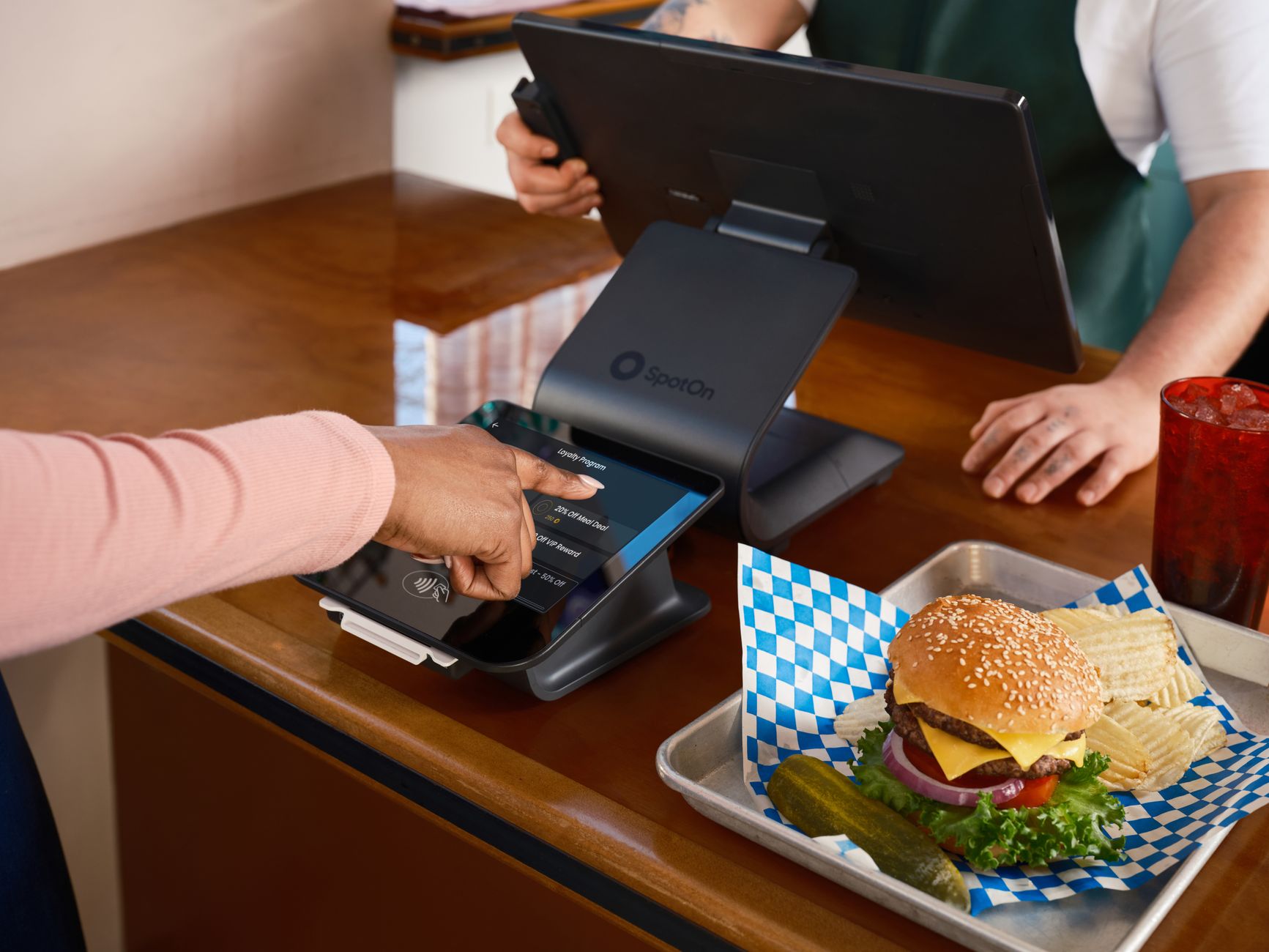
Loyalty programs can support customer retention when they are designed well. Points, discounts, referrals, VIP access, free gifts, early launches, and exclusive perks can encourage customers to keep coming back.
However, loyalty programs should feel meaningful. If rewards are too difficult to earn or not valuable enough, customers may ignore them. A good loyalty program should be simple, clear, and connected to what customers actually care about.
For example, a coffee shop may offer a free drink after several purchases. An online store may give early access to loyal customers. A software company may reward referrals. A beauty brand may offer personalized samples or birthday gifts.
The best loyalty programs support an already strong customer experience. They cannot fix weak products or poor service on their own.
Content Can Build Long-Term Relationships
Content is another powerful loyalty tool. Brands can keep customers engaged by sharing useful, inspiring, or educational content after the first purchase. This helps customers get more value from the product or service.
For example, a fitness brand can share workout tips. A cooking brand can share recipes. A software company can provide tutorials and best practices. A finance brand can offer simple guides. A skincare brand can share routine advice.
Helpful content keeps the relationship alive. It shows that the brand wants to support customers, not just sell to them. Over time, this kind of value builds trust and makes customers more likely to return.
Consistency Makes Loyalty Easier
Loyalty depends on consistency. Customers need to know what to expect from a brand. If the quality is excellent one time and poor the next, trust becomes weaker. If communication is helpful at first but disappears after purchase, customers may feel forgotten.
Consistent product quality, service, tone, visuals, and policies all help customers feel safe choosing the brand again. Predictability can be a strength. People often return to brands because they know the experience will meet their expectations.
Consistency is also important across channels. A customer should feel the same brand identity whether they interact through the website, email, social media, packaging, app, or support team. This connected experience makes the brand easier to trust and remember.
Loyal Customers Help Brands Grow Organically
One of the biggest benefits of customer loyalty is organic growth. Loyal customers often recommend brands naturally. They tell friends, leave reviews, share social posts, create user-generated content, or bring new customers through referrals.
This kind of growth is powerful because it feels authentic. People often trust recommendations from other customers more than traditional ads. A positive word from a friend, colleague, or online community can influence decisions strongly.
Loyal customers also provide valuable social proof. Their reviews, testimonials, and stories help new customers feel more confident. In this way, loyalty supports both retention and acquisition.
Customer Feedback Improves the Business
Loyal customers can help businesses improve. Because they know the brand well, their feedback is often detailed and useful. They can explain what they love, what frustrates them, and what they wish the brand would offer next.
Businesses that listen to loyal customers can make smarter decisions. They can improve products, update services, create better content, fix customer experience issues, and develop new offers based on real needs.
Feedback should not be treated as criticism only. It is a growth resource. When customers see that their feedback leads to improvements, they are more likely to feel respected and stay loyal.
Emotional Connection Drives Long-Term Loyalty
Practical value matters, but emotional connection often makes loyalty stronger. Customers may stay with a brand because it reflects their values, understands their lifestyle, supports their goals, or makes them feel good.
For example, a sustainable brand may attract loyal customers who care about responsible choices. A fitness brand may build loyalty by making people feel motivated and confident. A small business may keep customers because it feels personal and caring. A technology brand may earn loyalty by helping users feel more productive and capable.
Emotional connection does not happen through slogans alone. It comes from consistent actions, storytelling, values, and customer experience.
Common Mistakes That Damage Loyalty
One common mistake is focusing too much on new customers while ignoring existing ones. If loyal customers see better offers only for new buyers, they may feel undervalued. Businesses should reward long-term customers too.
Another mistake is poor communication after purchase. Customers should not feel abandoned once they pay. Follow-up support, helpful content, and clear updates can strengthen the relationship.
Brands also damage loyalty when they overpromise. Big marketing claims may create a first sale, but if the experience does not match, customers will not return. It is better to set realistic expectations and deliver well.
Finally, businesses should avoid treating loyalty as only a discount strategy. Discounts may bring repeat purchases, but real loyalty comes from trust and value.
How Businesses Can Build Stronger Customer Loyalty
To build stronger loyalty, businesses should start by improving the customer experience. Every step should feel clear, helpful, and reliable. This includes website navigation, product quality, checkout, delivery, support, and follow-up communication.
Next, brands should understand customer needs. Surveys, reviews, support conversations, and purchase behavior can reveal what customers value most. This helps businesses create more relevant offers and experiences.
Personalization can also help. Simple touches like relevant recommendations, saved preferences, or helpful reminders can make customers feel understood.
Most importantly, businesses should keep showing value after the first purchase. Loyalty grows when customers continue to benefit from the relationship.
Conclusion
Customer loyalty is becoming the real driver of business growth because repeat customers create stability, trust, referrals, and long-term value. Attracting new customers is important, but keeping existing ones is what helps businesses grow more sustainably.
Loyalty is built through trust, customer experience, personalization, consistency, community, useful content, and emotional connection. It is not created by one discount or one campaign. It grows through repeated positive experiences over time.
In a crowded market, businesses that focus only on acquisition may struggle to maintain growth. The brands that succeed will be the ones that make customers feel valued, understood, and confident enough to keep coming back.