

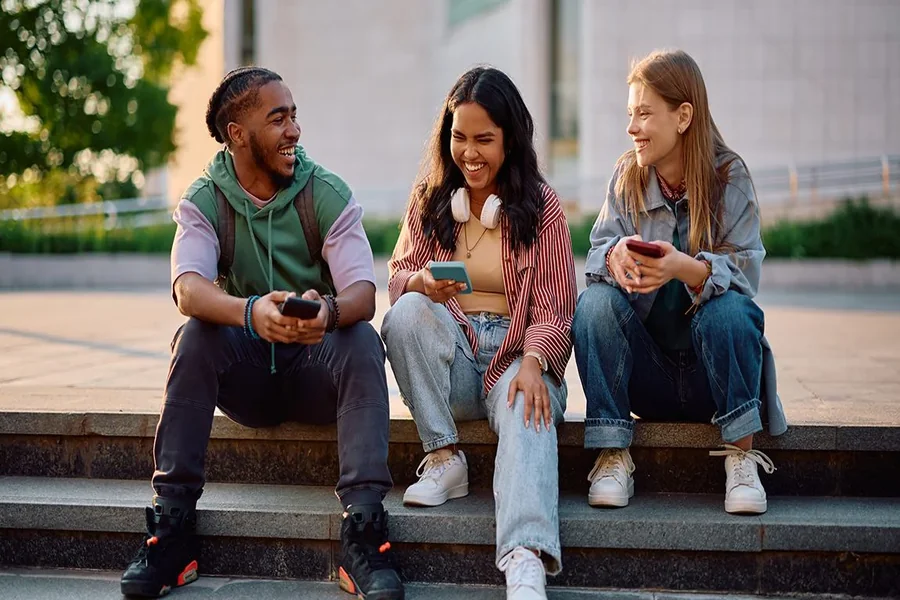
Sociologists have long used the term “third place” to describe spaces outside home and work where community happens informally — cafes, barbershops, parks. As remote work erased the office as a default social space, younger workers have been actively rebuilding third places, often in unexpected forms, to replace the casual social contact that used to happen automatically at a workplace.
Why the Office Was Doing More Than We Realized
Even people who disliked their office admitted, once it disappeared, that it quietly provided structure: a reason to leave the house, small talk that broke up isolation, a rhythm to the week. Remote and hybrid workers have had to consciously rebuild those functions rather than get them for free, and that conscious rebuilding is where the modern third place comes in.
What Counts as a Third Place Now
Coworking cafes are the most obvious example, but the category has expanded. Climbing gyms, run clubs, community darkroom studios, and even specific corner stores with regulars who know each other all function as third places for people who no longer have a shared office. What unites them isn’t the activity itself but the low-stakes, repeated exposure to the same faces in the same setting — exactly what an office used to provide by default. Small corner shops carrying everyday convenience items have, in some neighbourhoods, quietly become one more small stop along that same social circuit, less for what’s sold than for the familiar faces behind the counter.
The Economics of Rebuilding Community
Unlike an office, most modern third places cost something — a coffee, a gym membership, a coworking day pass. This has led to some criticism that today’s version of community is more transactional than the free social contact of the past. That’s a fair point, but it also reflects a broader trend: as public and workplace-provided social infrastructure has thinned out, people have had to pay, in small amounts, to recreate what used to be structurally built in.
Digital Third Places Aren’t a Full Substitute
Online communities — Discord servers, group chats, niche forums — offer a version of belonging too, but most people report that digital-only community doesn’t replace in-person, low-stakes contact. The two seem to work best together: an online group that occasionally meets up in person tends to feel more durable than either format alone.
Building Your Own
For anyone missing the casual social texture of office life, the practical takeaway is simple: pick one recurring physical space, and show up regularly enough to become a familiar face. It doesn’t need to be exciting. Familiarity, more than any particular activity, is what turns a location into a genuine third place.
The Overlooked Role of Neighbourhood Retail
Beyond the more obvious examples like gyms and cafes, small neighbourhood retail spaces have quietly taken on some of this third-place function, particularly in denser urban areas where residents pass the same shops repeatedly on foot. A regular stop at a local shop, even for something as minor as picking up a coffee, a specific everyday item such as a Geek Bar Clio Platinum, builds a low-stakes familiarity with both the staff and the other regulars over time, without requiring any deliberate effort to socialize in the way a scheduled activity does. This kind of incidental, repeated contact is precisely what made office hallways function as informal social space in the first place, and neighbourhood retail has stepped into that gap more than most people consciously realize.
Generational Differences in How Third Places Get Used
Younger workers, having entered the workforce during or after major shifts toward remote work, often never developed the office-centric social habits that older generations took for granted, which has made them somewhat more deliberate about building third places from the outset rather than discovering the need for them only after losing an office environment they’d relied on for years. This generational difference shows up clearly in how third places get discussed online — younger workers tend to talk about “finding their coworking spot” or “finding their gym” with the same intentionality that previous generations might have applied to choosing a neighbourhood, treating the third place less as a bonus and more as a core piece of infrastructure for a functional week.










1 thought on “The Rise of the “Third Place” for a Generation Without Offices”
Comments are closed.